League Enforcement and Financial Sanctions
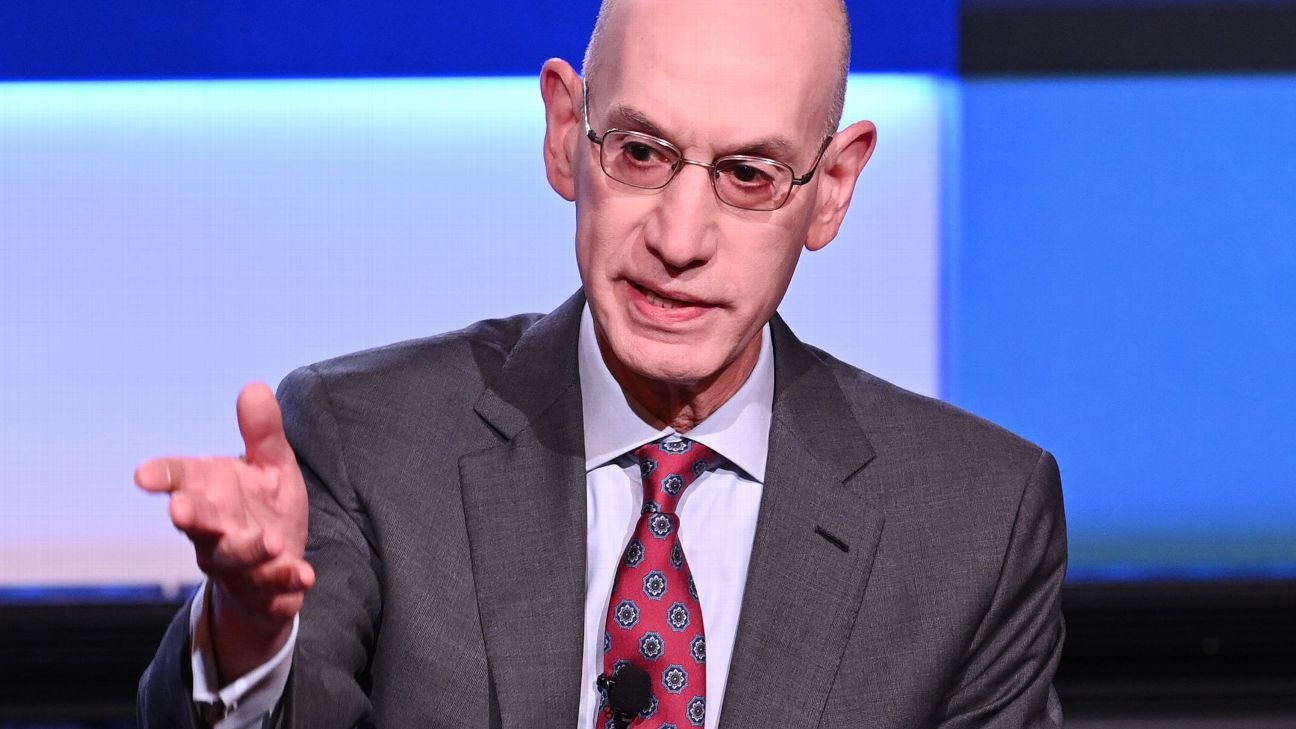
The NBA has formally issued significant financial penalties against the Utah Jazz and the Indiana Pacers for personnel decisions that the league office determined compromised the integrity of the game. The Utah Jazz faced a substantial $500,000 fine, while the Indiana Pacers were ordered to pay $100,000 for their roles in sidelining healthy participants during recent regular-season matchups.
This disciplinary action follows a period of intense scrutiny regarding how teams manage their rosters as the season nears its conclusion. The league specifically cited the decision to sit healthy players as a move that directly undermines the competitive balance required for a professional sporting environment.
The Economic Impact on the Consumer Experience
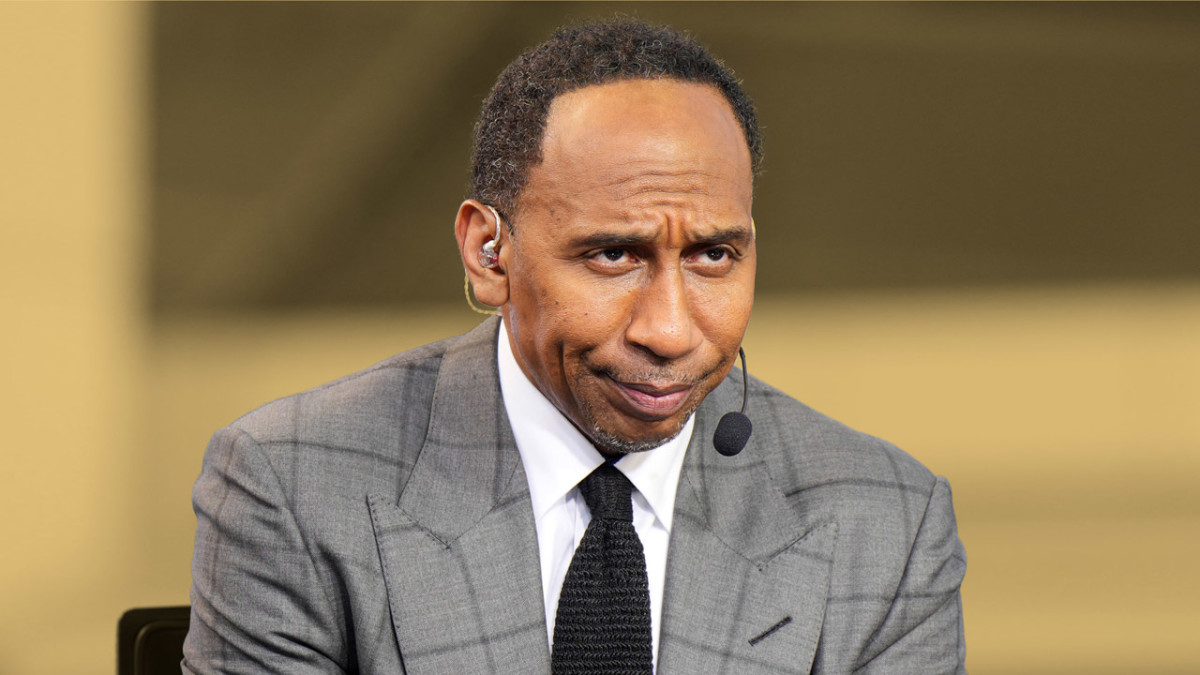
Prominent media voice Stephen A. Smith has publicly criticized the practice of tanking, describing the strategic loss of games as a direct slight to the fans. Smith argued that allowing teams to blatantly avoid competitive play is disrespectful to the paying customers who fund the league through ticket purchases and media subscriptions.
The tension between a team’s long-term strategy and its immediate obligation to the public remains a central point of contention for league officials. When star players or healthy starters are removed from the rotation, the perceived value of the ticket decreases, leading to concerns about the long-term viability of the league’s revenue model.
The Incentive of the Draft Lottery
The practice of tanking is often linked to the potential rewards found in the NBA Draft, where the teams with the worst records receive higher odds for a top selection. The emergence of generational talents like Victor Wembanyama has intensified the pressure on front offices to secure the best possible position in the lottery order.
League officials are now faced with the challenge of balancing the natural cycle of rebuilding a team with the necessity of maintaining a high-quality entertainment product. The disparity in the fine amounts—with the Jazz paying five times more than the Pacers—suggests that the league viewed the scale or frequency of the Jazz’s actions as significantly more damaging to the sport.
Broadcast and Media Relations
The NBA’s revenue is heavily dependent on national and international broadcast rights, which require a consistent level of competition to maintain viewership numbers. When teams opt to sit their most recognizable athletes, it creates a rift between the league and its media partners who rely on marquee matchups to drive advertising sales.
As digital platforms and newsletters like The Athletic’s The Bounce continue to track these trends, the league is under increased pressure to ensure that every game retains its competitive spirit. The fine serves as a formal warning that the league office is prepared to use financial levers to prevent strategic non-participation from becoming a standard operational procedure.
Historical Context and Evolution
While teams have navigated the boundaries of rebuilding for decades, the current era of the NBA features unprecedented transparency and data tracking. This level of oversight makes it more difficult for organizations to hide their intentions when making roster changes that appear disconnected from health or safety concerns.
Looking back at milestones like the 1995 Miami Heat sweep, the league has always celebrated excellence and competitive dominance. The current fines reflect an effort to return to those standards by penalizing organizations that appear to prioritize future draft odds over the immediate results of the current season.
Regulatory Future of Player Participation
The league’s decision to penalize the Jazz and Pacers indicates a more aggressive stance toward player participation rules. This shift suggests that the NBA office will continue to monitor injury reports and roster movements with higher levels of skepticism, particularly for teams out of the playoff hunt.
For the organizations involved, these fines represent a loss of capital and a hit to their reputation among the broader fan base. The long-term effects of these penalties will likely be measured by whether teams adjust their late-season management to avoid further scrutiny from the league’s governing bodies.