The Giannis Realignment: A Seismic Shift in the Eastern Hierarchy
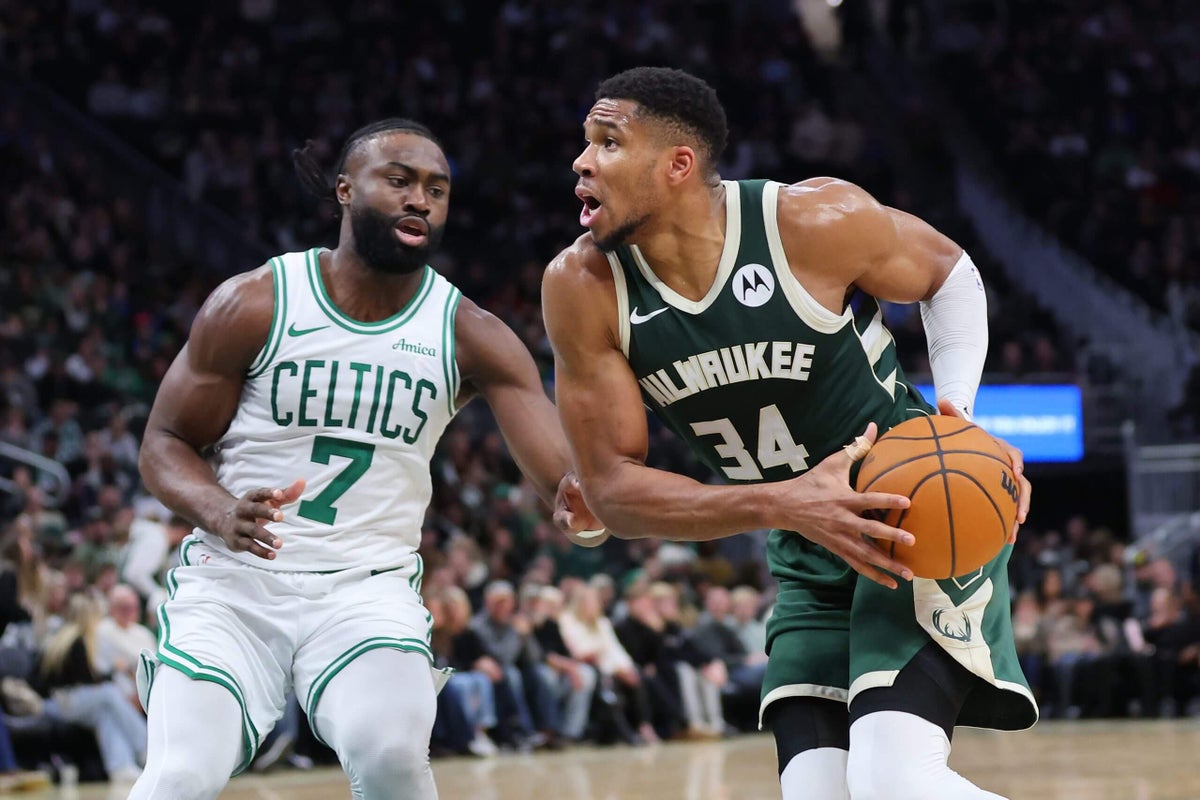
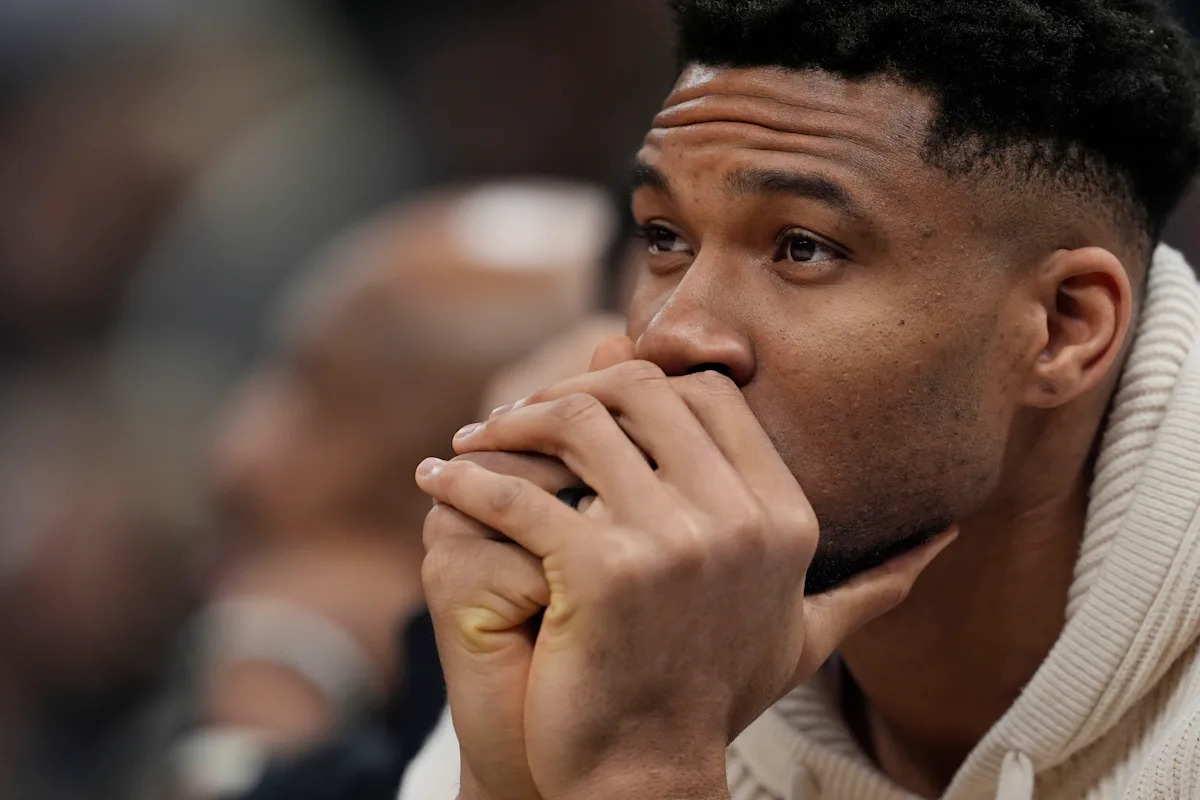
The 2026 NBA offseason has been defined by the Milwaukee Bucks’ decision to terminate the Giannis Antetokounmpo era, facilitating a blockbuster trade to the Miami Heat. This transaction represents more than a superstar movement; it is a calculated pivot by Bucks ownership toward total asset accumulation. By prioritizing long-term draft equity over immediate veteran stability, Milwaukee has signaled a departure from the championship-at-all-costs model that defined their previous decade.
Milwaukee’s Strategic Short: Betting Against the Heat’s Future
The return for Antetokounmpo highlights a sophisticated approach to rebuilding. Beyond the immediate acquisition of Kel’el Ware—a developmental big man intended to anchor the post-Giannis frontcourt—the Bucks secured unprotected first-round picks in 2031 and 2033. This strategy effectively ‘shorts’ the Miami Heat’s long-term competitive window, banking on the probability that those picks will appreciate in value as Miami’s core ages. The inclusion of the 2026 No. 13 selection and 2030 pick swap rights provides Milwaukee with a tiered asset floor to navigate their reconstruction.
Miami’s Maximum Leverage: The Price of Championship Ambition
For Pat Riley and the Miami Heat, the trade is a quintessential ‘all-in’ maneuver. To secure Antetokounmpo, the Heat exhausted their primary trade inventory, accepting a future devoid of draft control for the sake of a definitive championship window. While the pairing of Antetokounmpo with the existing Heat core creates an immediate title favorite, the move forces the organization into a restrictive financial environment. The depletion of depth, exemplified by the loss of Ware, places immense pressure on the front office to maximize veteran minimum contracts within the constraints of the luxury tax second apron.
The Celtics Factor: Roster Continuity vs. Superstar Acquisition
The Boston Celtics remained the primary obstacle to Miami’s pursuit, engaging in high-level discussions that ultimately stalled over the valuation of Jaylen Brown. Boston’s refusal to include Brown suggests a prioritization of established chemistry over the disruptive potential of a superstar upgrade. By maintaining their core, the Celtics avoided the draft capital depletion seen in Miami’s deal, though they must now contend with a reinforced divisional rival without a commensurate roster upgrade of their own.
Economic Optimization: The Thunder and Timberwolves’ Tax Pivots
Parallel to the Antetokounmpo trade, the league’s middle class is undergoing a radical financial restructuring. The Oklahoma City Thunder’s decision to move Aaron Wiggins to the Atlanta Hawks was a masterclass in fiscal discipline, reportedly yielding over $60 million in luxury tax savings. This move underscores the punitive nature of the current collective bargaining agreement, where role players are sacrificed to preserve the financial viability of a superstar core.
Conversely, the Minnesota Timberwolves’ trade of Julius Randle to the Brooklyn Nets serves as a stark example of ‘negative value’ asset management. By attaching the No. 28 pick to Randle just to receive the No. 33 selection, Minnesota paid a premium to shed salary. This transaction highlights the desperation of teams facing second-apron restrictions, as Brooklyn leverages its cap space to stockpile assets from distressed contenders. Collectively, these moves illustrate an NBA where financial engineering is now as critical as on-court performance.