
Artemis III: Laying the Foundation for Lunar Return
NASA’s Artemis III program is poised for a pivotal phase in 2027, focusing on critical Earth orbit tests. These intricate maneuvers are not the lunar landing itself, but rather a foundational precursor for Artemis IV, the subsequent mission slated to achieve the first crewed landing at the lunar South Pole in 2028. Utilizing the powerful Space Launch System (SLS) rocket, the Orion spacecraft and its crew will launch from Kennedy Space Center, setting the stage for deep-space human presence.
Rigorous Earth Orbit Validation in 2027
The 2027 Earth orbit phase is meticulously designed for comprehensive system validation and risk mitigation before venturing to the Moon. This period will involve exhaustive checkouts of Orion’s capabilities and integrated systems, demonstrating complex operational sequences in a controlled environment. The strategy to conduct these tests in a relatively accessible Earth orbit allows for the identification and correction of potential issues across the SLS rocket, Orion spacecraft, and crucially, the commercial human landing systems, thereby safeguarding future crewed missions and optimizing the substantial capital investment.
Commercial Partnerships: A New Era of Lunar Access
A central element of Artemis III involves the first-time demonstration of rendezvous and docking procedures with test versions of American commercial human landing systems, under development by industry leaders Blue Origin and SpaceX. This integrated testing protocol marks a significant strategic shift towards public-private partnerships, fostering innovation and competition within the burgeoning lunar economy.
The success of these docking maneuvers is paramount, directly impacting the feasibility of crewed lunar surface operations and the overall timeline for sustained lunar presence. The performance of these private landers will serve as a powerful market signal, influencing future contract awards, private investment in lunar infrastructure, and the competitive positioning of these companies in the commercial space sector. Integrating these commercial systems, while accelerating development, introduces a novel set of risk management challenges requiring robust oversight and contingency planning.
Crew and the Scientific Imperative of the Lunar South Pole
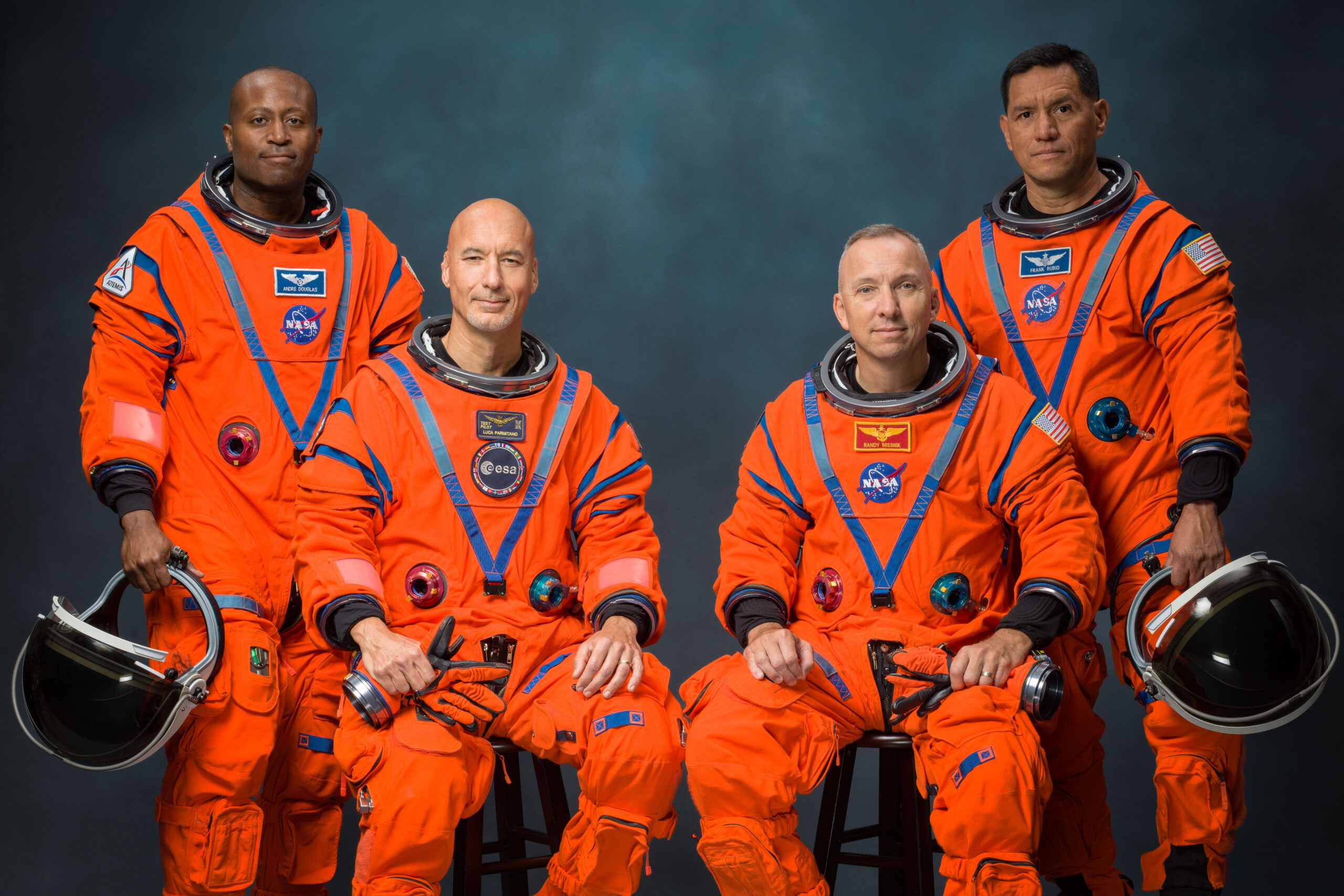
NASA has announced the prime crew for this undertaking: NASA astronaut Randy Bresnik will serve as commander, with ESA astronaut Luca Parmitano as pilot. The selection of a diverse international crew underscores the collaborative nature of the Artemis program, broadening scientific and geopolitical implications. The mission’s ultimate destination, the lunar South Pole (targeted by Artemis IV), is chosen for significant scientific and logistical reasons. This region is believed to harbor substantial deposits of water ice in permanently shadowed craters—a critical resource for future human habitation and in-situ resource utilization (ISRU) for water, oxygen, and rocket propellant. Accessing these resources offers unprecedented insights into lunar geology, the history of the solar system, and paves the way for advanced scientific research and lunar infrastructure development.
Strategic Vision: Artemis III as a Catalyst for Sustained Lunar Presence
Artemis III is more than a singular mission; it is a critical inflection point within a broader strategic initiative to re-establish human leadership in deep space and foster a sustainable presence on the Moon. Its success will validate the program’s architecture and the viability of public-private partnerships for complex space endeavors. Beyond the technical achievements, the mission carries significant geopolitical weight, reaffirming national leadership and strengthening international collaborations in space exploration.
The program represents a substantial allocation of public resources, and the success of Artemis III is crucial for justifying continued investment and maintaining public and political support. This mission, with its ambitious timelines and multi-launch operational complexity, is a bellwether for the future of human spaceflight, setting precedents for subsequent missions to Mars and shaping the development of a robust space economy for decades to come.

Photo by WikiImages on Pixabay.