Apple is launching the ‘Apple Upgrade’ leasing program, designed to offset recent hardware price increases for iPhones, iPads, Macs, and Apple Watches. This initiative, supported by Klarna and set to debut on July 28th in the US, aims to make premium devices more accessible by shifting from outright purchase to a monthly leasing model.
Strategic Financial Realigning Amidst Inflationary Pressures
The introduction of Apple Upgrade follows notable price adjustments across Apple’s product lines, such as the MacBook Air and iPad Air. This strategic pivot prioritizes sales volume and market share by leveraging financing to absorb the financial impact of supply chain cost escalations, including component shortages and broader inflationary trends.
This move is not a reaction to declining sales, as Apple reported record Q1 revenue. Instead, it’s a proactive strategy to sustain consumer engagement with its premium ecosystem by reframing the cost of ownership, thus preventing potential sales erosion due to higher retail prices.
Operational Framework for Device Leasing and Risk Mitigation
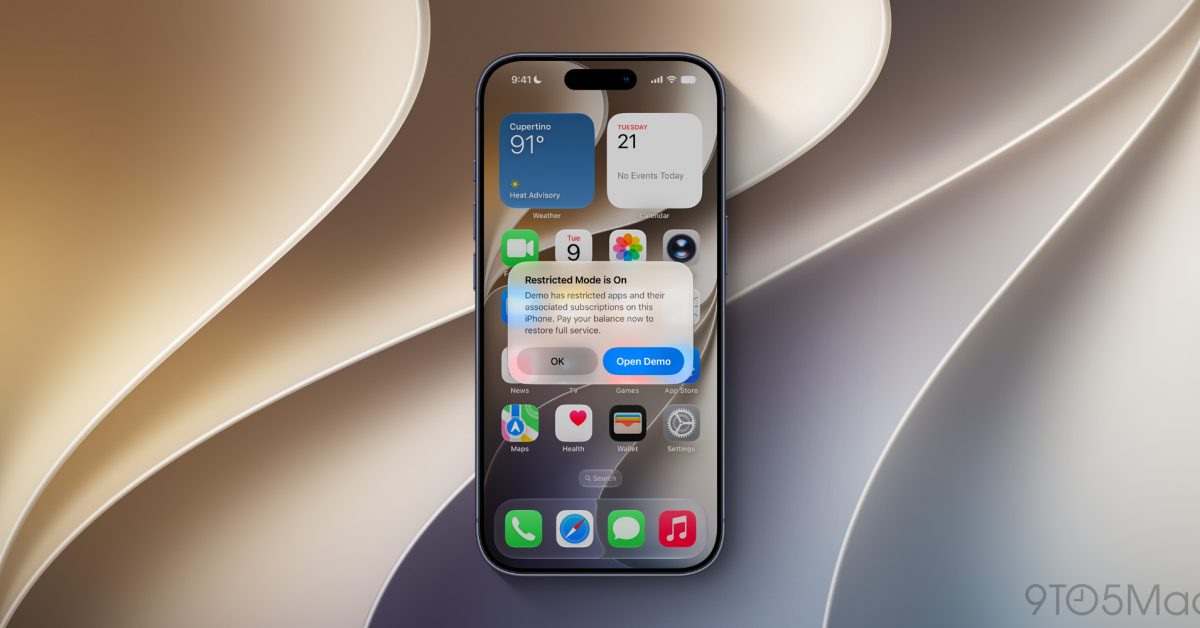
Code found in the iOS 27 beta suggests a sophisticated system for managing leased devices. The ‘App Managed Features’ system indicates Apple’s capability for remote functionality restriction if lease payments are missed, a crucial mechanism for mitigating financial risk for Apple and its financing partners.
Lease terms are reportedly 24 months for iPhones/Watches and 36 months for Macs/iPads, aligning with typical upgrade cycles. Flexibility for early payoff or upgrades, potentially with additional fees, is designed to further incentivize program participation.
Leveraging Fintech for Market Agility and Competitive Positioning
The partnership with Klarna, a leading fintech company, allows Apple to efficiently deploy its leasing program using established financial infrastructure. This collaboration circumvents the need for Apple to build its own lending arm, enhancing market agility and offering a competitive financing solution.
This initiative directly addresses a key barrier for consumers deterred by high upfront costs, positioning Apple to compete more effectively against manufacturers and carriers offering similar financing options. It aims to broaden Apple’s customer base and deepen ecosystem lock-in through facilitated upgrade cycles.
Financial Engineering: Transforming Cost Perception and Driving Demand
The leasing model fundamentally alters consumer perception, converting a significant capital outlay into manageable monthly payments. This financial engineering normalizes the cost of high-end technology, making premium devices accessible to a wider demographic and potentially stimulating demand for higher-tier configurations.
The program’s structure, with options for early payoff or upgrade, incentivizes continuous device refreshment. This benefits Apple through consistent revenue streams and sustained customer loyalty within its product ecosystem, aligning with its strategy of recurring revenue growth.
Regulatory Scrutiny and Consumer Rights in Device Control
The remote restriction capabilities within iOS 27 underscore a robust approach to risk management. This feature, allowing for app and service disabling upon missed payments, acts as a deterrent against default and a mechanism for asset recovery, safeguarding the program’s financial viability.
However, such control raises important questions regarding data privacy and consumer rights. The implementation of these features will likely face scrutiny from consumer protection agencies, requiring clear disclosures about lease agreement terms and conditions.
Industry-Wide Repercussions and the Rise of Hardware-as-a-Service
The success of Apple’s leasing program could catalyze similar models across the hardware industry, normalizing leasing as a standard consumer electronics purchase option. This may accelerate the shift towards subscription-based hardware models, blurring lines between ownership and service provision.
This convergence of hardware, software, and financial services drives innovation in device financing and management, creating new opportunities and challenges industry-wide. It highlights the evolving relationship between technology and financial services.
Economic Pressures Fueling the Leasing Strategy
The decision to implement leasing, rather than directly absorbing price increases, reflects persistent economic pressures in the tech sector. Global shortages of key components and broader inflation have demonstrably increased manufacturing costs for companies like Apple.
By offering leasing, Apple shields consumers from immediate price shock while still realizing revenue reflective of increased production costs. This strategy allows Apple to maintain its premium pricing and profit margins without alienating price-sensitive customer segments.
Klarna’s Strategic Expansion into High-Value Tech Market
For Klarna, this partnership signifies a significant expansion into the high-value consumer electronics market. Facilitating leases for Apple products grants Klarna access to a vast, loyal customer base, enhancing its brand visibility and reinforcing its position in point-of-sale financing.
This collaboration diversifies Klarna’s portfolio beyond traditional retail and fashion, tapping into the lucrative durable goods market. The venture’s success could set a precedent for future collaborations between major tech firms and fintech providers.
Consumer Psychology: Lowering Perceived Barriers to Premium Tech
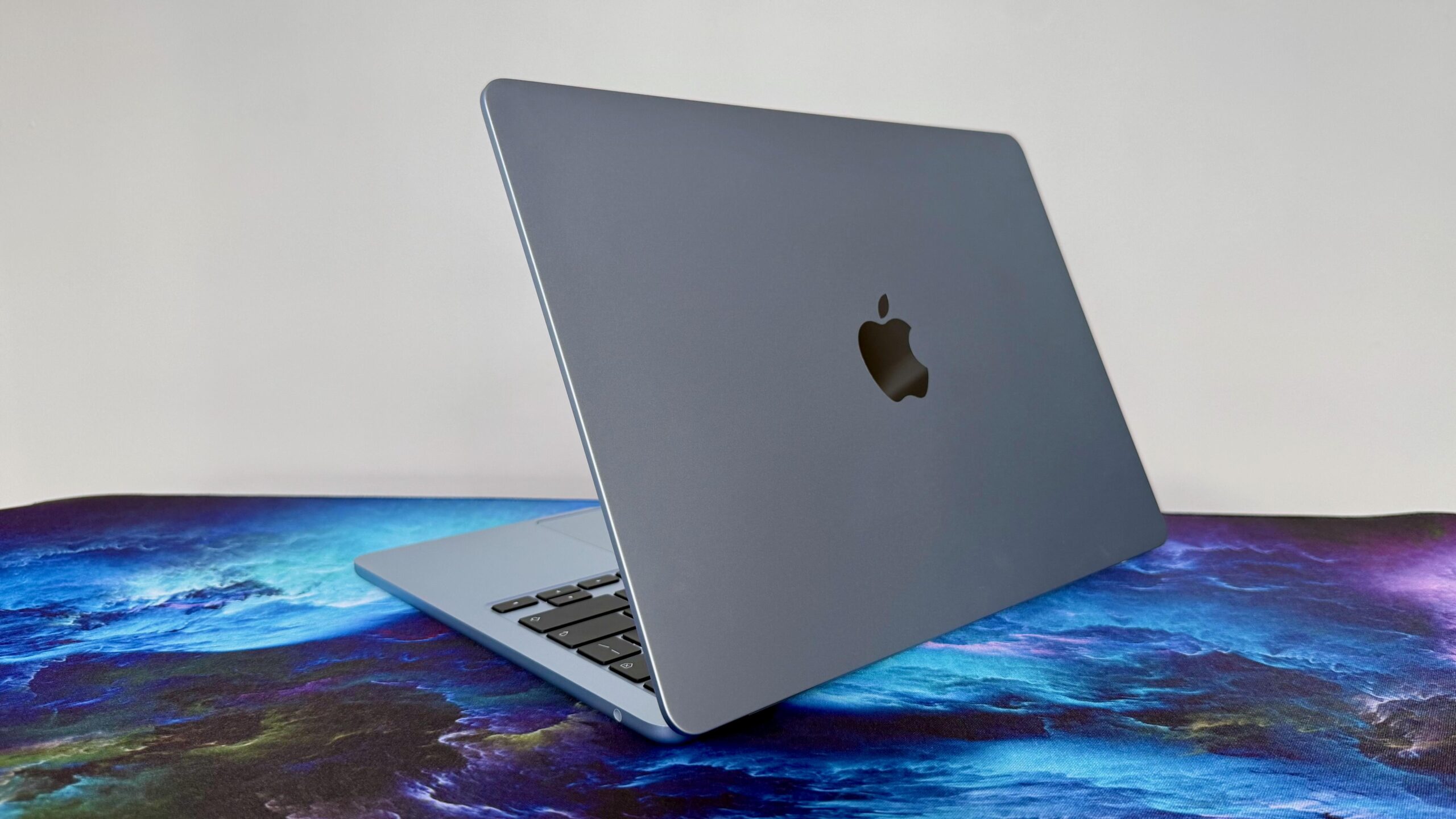
The psychological impact of leasing versus purchasing is substantial. A $1,299 MacBook Air, presented as a 36-month commitment with monthly payments, can feel more attainable than the lump sum. This reframing of cost is crucial for sustaining demand for premium technology.
This strategy capitalizes on the consumer desire for the latest technology without the immediate financial burden, lowering the perceived entry barrier for high-end devices and potentially increasing upgrade frequency.
iOS 27 Integration: Software Enabling Financial Control
The technical foundation revealed in the iOS 27 beta demonstrates Apple’s commitment to robust financial management. The ‘App Managed Features’ system’s ability to restrict device functionality is a direct response to the inherent risks of extending credit or offering leases.
This provides a tangible mechanism for enforcing lease agreements, ensuring asset recovery in cases of non-payment. It represents a sophisticated integration of software control with financial agreements, setting a new standard for device financing management.
Long-Term Ecosystem Lock-in Through Continuous Upgrades
By encouraging more frequent upgrades via leasing, Apple aims to deepen customer loyalty and reinforce its ecosystem. Consistently leasing new devices keeps customers within the Apple ecosystem, driving usage of Apple services and accessories, thereby increasing their lifetime value.
This strategy is vital for Apple’s sustained growth, fostering continuous product and service demand. It transforms device acquisition into an ongoing relationship, aligning with Apple’s broader strategy of service-based revenue expansion.
Future of Device Ownership: A Shift Towards Access Over Ownership
The shift towards leasing programs like Apple Upgrade signals a potential redefinition of device ownership. As technology advances rapidly and prices remain high, consumers may increasingly favor access to the latest devices through flexible leasing over outright purchase.
This trend could foster a more circular economy for electronics, emphasizing refurbishment and resale. It raises broader questions about consumption and the long-term implications of subscription models for essential technologies.