The Convergence of Lunar Cycles and Aerospace Engineering
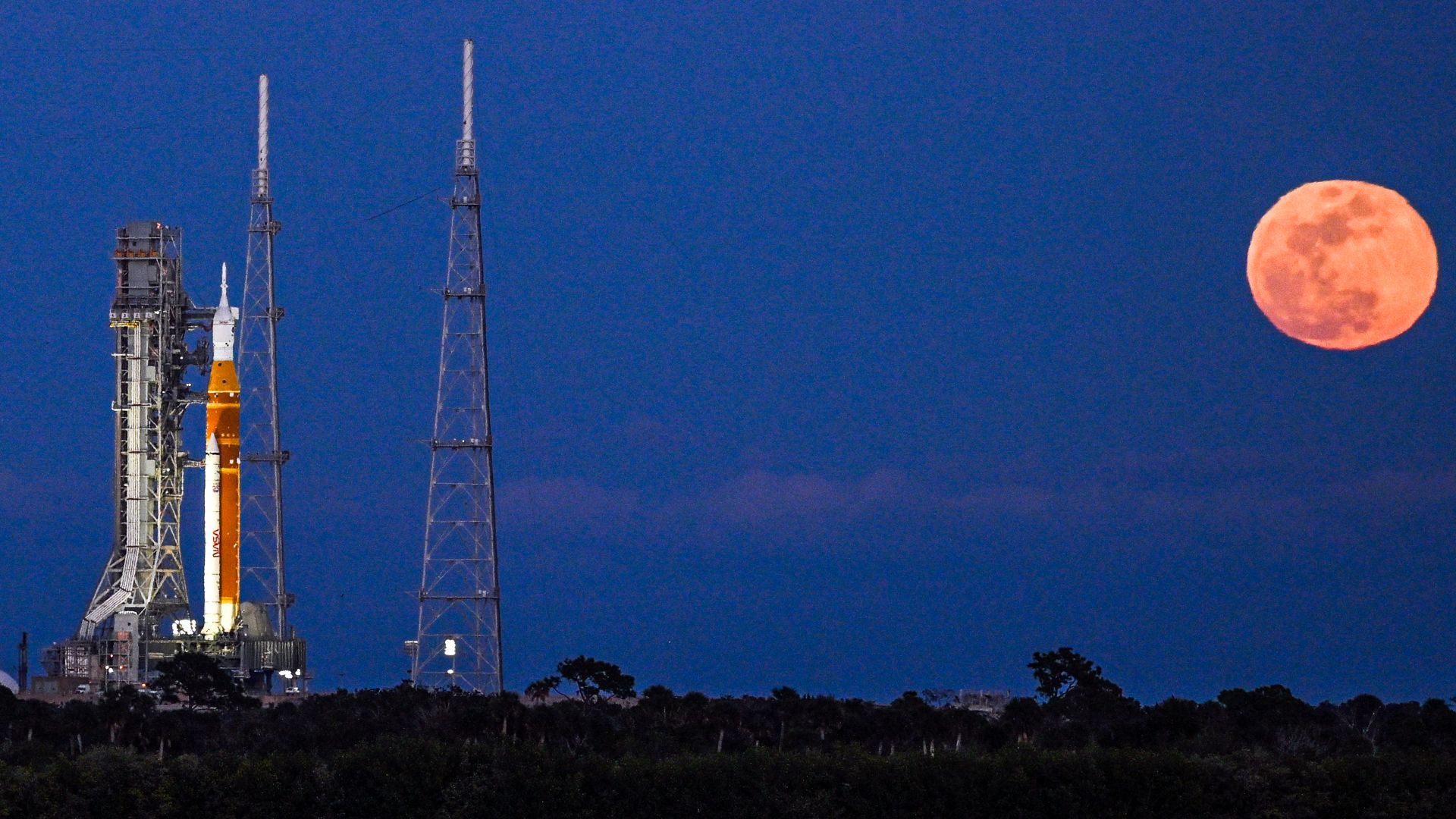
The scheduled launch of NASA’s Artemis 2 mission aligns with the April 2026 full moon, colloquially termed the ‘Pink Moon.’ This synchronization highlights the intersection of celestial mechanics and the technical rigor required for crewed lunar missions. As NASA prepares to send four astronauts on a ten-day voyage, the mission serves as a critical test for sustaining human presence beyond low-Earth orbit.
Defining the Pink Moon Phenomenon
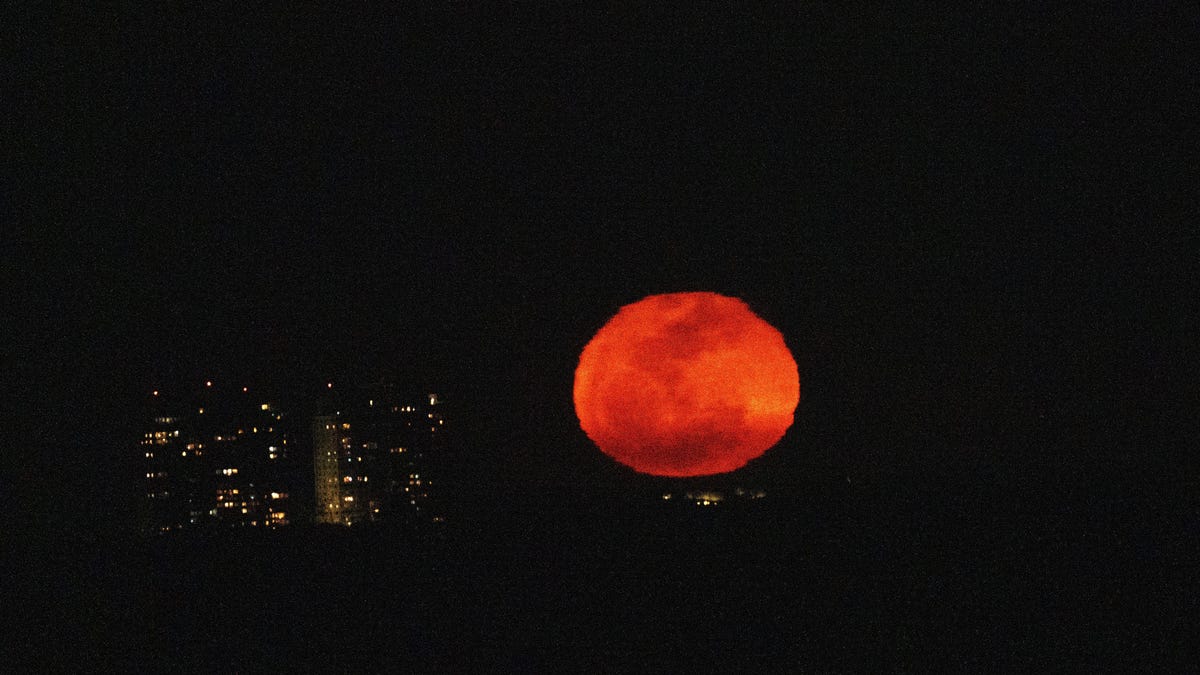
Despite the moniker, the Pink Moon does not change color; it is a seasonal designation rooted in the blooming of the creeping phlox (Phlox subulata) in North America. Peak illumination, set for 10:12 p.m. EDT on April 1, 2026, offers a specific observational window. Visibility, however, remains subject to terrestrial atmospheric conditions, such as cloud cover and precipitation patterns, which often complicate ground-based astronomical data collection.
Institutional and Cultural Legacy
The April full moon functions as the Paschal Moon, dictating the liturgical date of Easter. Historically, such lunar markers served as proxies for agricultural and religious planning. Today, while these traditions persist, the lunar cycle is increasingly integrated into aerospace operational planning, demonstrating how pre-industrial astronomical observations continue to inform modern scientific schedules.
Strategic Objectives of Artemis 2
Artemis 2 represents a shift in global aerospace priorities toward sustainable lunar exploration. By navigating the far side of the Moon, the mission tests life-support systems and orbital navigation under conditions simulating long-duration interplanetary travel. The success of this mission is vital for securing future funding and strengthening commercial partnerships within the expanding space economy.
Analytical Outlook
The juxtaposition of the Pink Moon and the Artemis 2 launch illustrates the transition from viewing the Moon as a cultural symbol to treating it as an industrial destination. As public and private sectors intensify lunar operations, coordinating mission logistics with natural celestial events will become increasingly essential for efficiency and public engagement in the era of renewed lunar discovery.