
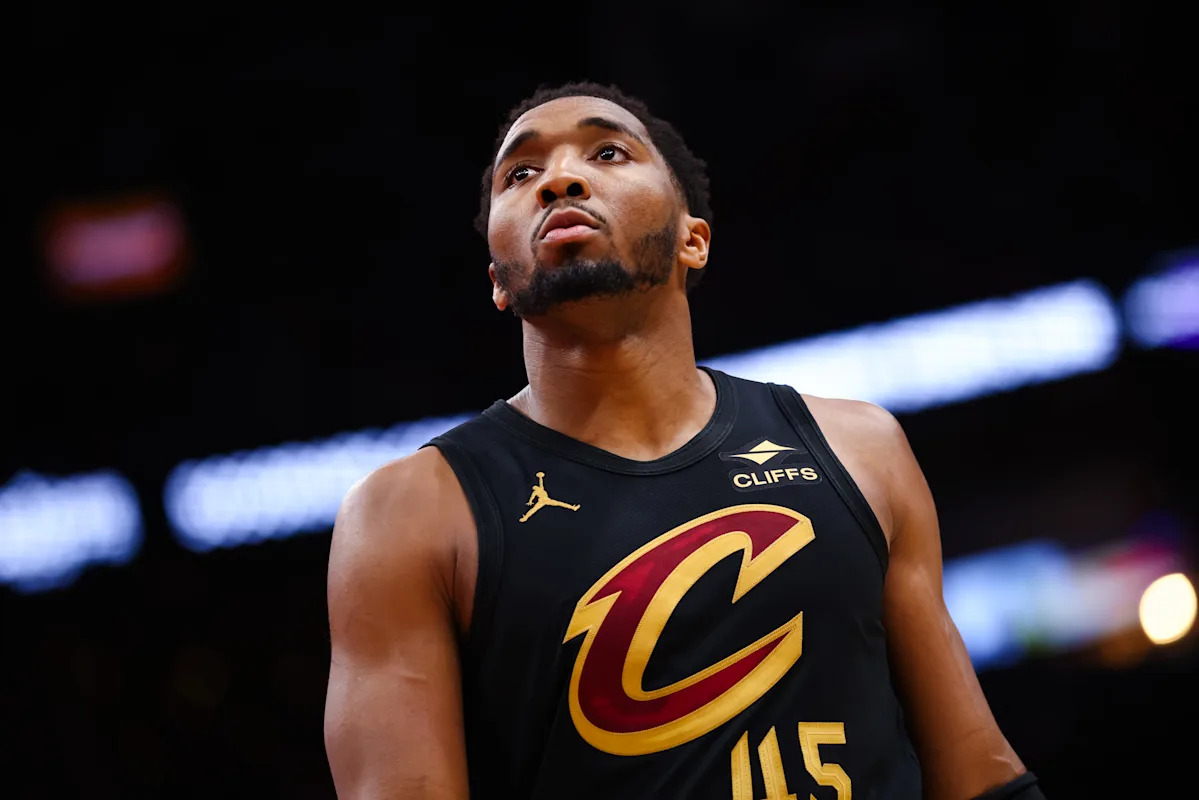
The inaugural fixture of the Cavaliers-Pistons postseason series has rapidly devolved from a physical contest into a sophisticated dialectic on officiating parity. Donovan Mitchell, the offensive focal point for Cleveland, experienced a stark statistical anomaly in the 111-101 loss, recording a mere two free-throw attempts—a 67% decrease from his regular-season average of 6.1. This variance suggests a significant elevation of the marginal contact threshold, forcing a recalibration of Cleveland’s offensive architecture.
The ‘Non-Flop’ Narrative as Institutional Signaling
Mitchell’s post-game assertion that his lack of officiating protection stems from a refusal to ‘flop’ serves as a calculated exercise in institutional signaling. By framing his physicality as authentic and non-performative, Mitchell is attempting to exert psychological pressure on the league’s officiating department to reward traditional verticality. This rhetoric shifts the burden of adjustment onto the referees, implying that the current application of rules inadvertently incentivizes theatricality over genuine rim pressure.
Conversely, the Detroit Pistons have dismissed these grievances as tactical messaging. By categorizing Mitchell’s stance as a maneuver to influence Game 2, Detroit reinforces its defensive identity. Their refusal to validate Mitchell’s claims signals a commitment to maintaining a high-contact perimeter shell, effectively betting that officials will maintain their permissive postseason standards throughout the series.
Structural Bottlenecks and Offensive Efficiency
The reduction in free-throw frequency has immediate, deleterious effects on the Cavaliers’ scoring ceiling. Mitchell’s 23-point performance ended his historic streak of nine consecutive 30-point playoff openers, demonstrating how the absence of ‘charity stripe’ points forces high-usage stars into high-variance perimeter shooting. When a primary driver cannot collapse the defense to draw fouls, opposing rotations remain disciplined, neutralizing the threat of foul trouble and allowing for aggressive, hands-on defensive schemes.
Conclusion: The Strategic Pivot
As the series progresses, the Cavaliers face a structural dilemma: adapt their shot profile to mitigate the lack of whistles or continue a media-driven campaign to recalibrate the officiating environment. Mitchell’s decision to go public underscores the media’s role as a strategic extension of the court. Whether this lobbying results in a whistle adjustment or solidifies the Pistons’ defensive leverage will be the defining tactical narrative of the subsequent matchups.

Photo by bethekindkid2 on Pixabay.