The Road to Milan: Olympic Figure Skating 2026
The global sports community is preparing for the return of elite figure skating as the Winter 2026 Games in Milan approach. Official schedules indicate that the competition will begin on February 6, marking a significant milestone for athletes who have dedicated years to reaching this stage. This cycle is particularly notable for its focus on the resilience of competitors and the evolving methods through which audiences consume the sport.
As the primary broadcasters, NBC and Peacock are established as the central hubs for viewership in the United States. The scheduling of these events highlights the organizational complexity of managing a multi-week international competition across different time zones. Fans are encouraged to prepare their viewing setups well in advance to ensure they do not miss the opening sequences of the skating program.
The Technical Landscape of Olympic Broadcasting
The distribution of Olympic content has transitioned toward a heavy reliance on streaming services. Peacock will serve as a primary platform for live coverage, reflecting a shift in how major sporting events are delivered to the public. This approach allows for a more flexible viewing experience, accommodating the varied schedules of a global audience.
Technical requirements for accessing these broadcasts have become a point of administrative focus. Official advisories suggest that legacy web browsers, specifically Internet Explorer 11 and older systems, may encounter performance issues with the Olympic digital interface. This push for updated technology ensures that the high-definition requirements of fast-moving sports like figure skating are met without interruption.
Athlete Resilience and the Mechanics of Recovery
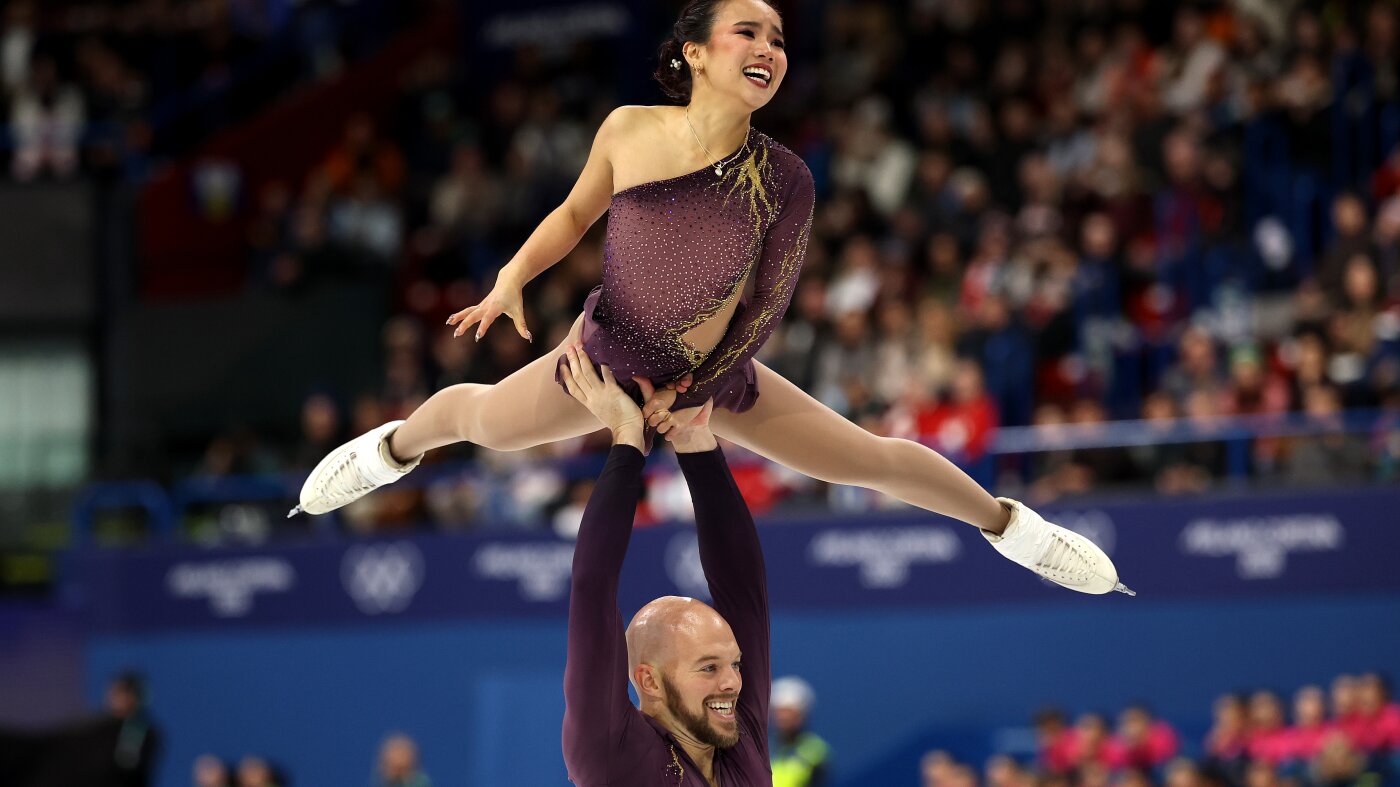
The narratives surrounding the 2026 Games frequently center on the ability of skaters to recover from errors on the ice. For pairs such as Ellie Kam and Danny O’Shea, the journey to the Milan ice represents the culmination of decades of disciplined practice and local competition. The physical and mental demands of the sport mean that a single stumble can redefine a performance, yet the focus remains on the capacity to soar after a fall.
This theme of perseverance is a foundational element of the Olympic spirit and a key driver of public engagement. The ability to maintain technical precision following a mistake is often what separates the podium contenders from the rest of the field. Judges and spectators alike look for the composure and technical execution that follow these moments of high pressure.
Discipline and Artistry in the Rhythm Dance
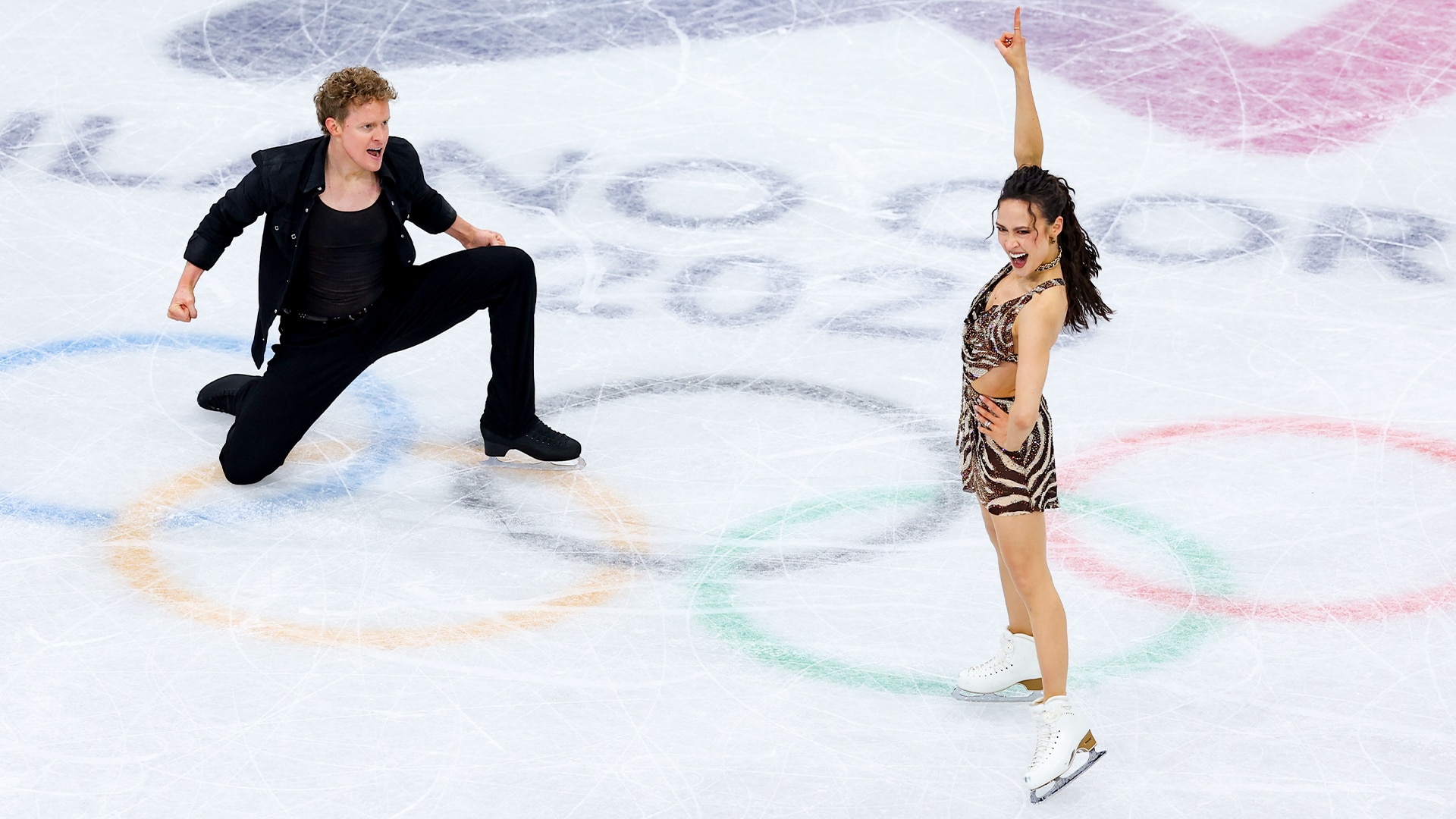
The rhythm dance remains one of the most technical and scrutinized segments of the figure skating program. Veteran skaters Madison Chock and Evan Bates are among those who continue to define the standards of this discipline. Their performances are analyzed for both their technical accuracy and their ability to translate musicality into precise on-ice movements.
The rhythm dance requires a specific set of required elements that change with each Olympic cycle, forcing athletes to constantly adapt their training. The coordination required between partners is absolute, as any deviation in timing can result in a significant loss of points. This discipline serves as a primary example of the intersection between athletic power and choreographic detail.
The Enduring Influence of Olympic Veterans
Figures such as Adam Rippon continue to hold weight in the cultural conversation surrounding the sport long after their competitive peak. The presence of established names provides a sense of continuity for the sport, linking past achievements to the current generation of skaters. These athletes often transition into roles that involve analysis, coaching, or public advocacy, maintaining the sport’s visibility in non-Olympic years.
The involvement of such figures helps to sustain interest in the technical nuances of figure skating. Their insights into the pressure of the Olympic stage provide valuable context for the challenges faced by current competitors like Kam and O’Shea. This historical connection is vital for the growth of the sport and the development of future talent.
Logistical Considerations for the 2026 Cycle
The logistical planning for an Olympic event involves thousands of hours of coordination between the host city, the International Olympic Committee, and national governing bodies. For the Milan 2026 Games, the focus is on creating an environment where athletes can perform at their highest level. This includes everything from ice quality management to the precise timing of warm-up sessions and competitive flights.
The administrative oversight required for the figure skating events ensures that the competition remains fair and adheres to the strictest safety standards. As the February 6 start date approaches, these organizational efforts become more intense. The success of the games relies on the seamless integration of athletic performance, technical broadcasting, and venue management.
Summary of Factual Findings
The 2026 Winter Olympics in Milan will feature a comprehensive figure skating schedule starting in early February. NBC and Peacock will manage the primary distribution of the events, with a clear emphasis on modern digital platforms. Athletes are currently in the final stages of a multi-year preparation process, focusing on the technical excellence required to compete at the highest level.
The narrative of the games is built upon the recovery of skaters after falls and the high-stakes execution of disciplines like the rhythm dance. While veteran voices provide continuity, the focus remains on the current competitors who will take the ice in Italy. The organizational and technical foundations are now in place to support the upcoming global competition.