The Strategic Architecture of Shiffrin’s 2026 Olympic Dominance
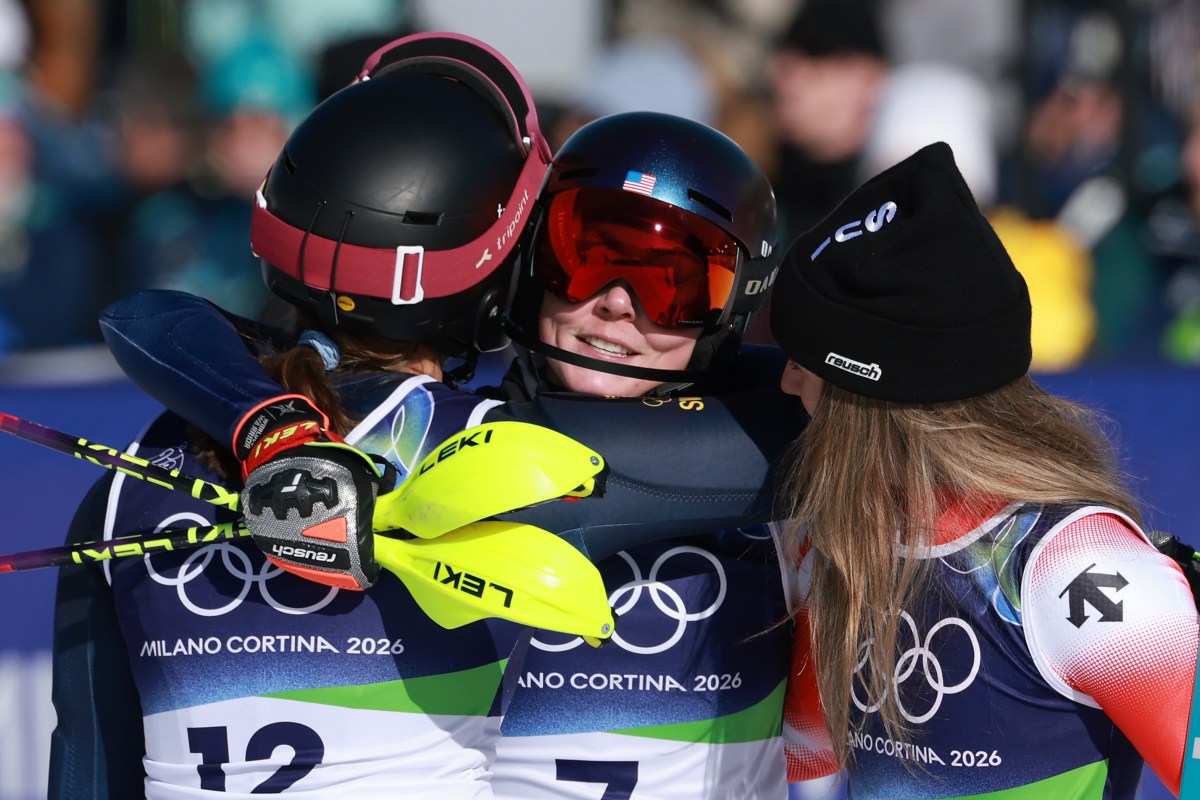
Mikaela Shiffrin’s gold medal at the 2026 Milan Cortina Winter Olympics represents a profound strategic and psychological pivot in elite alpine skiing. Her dominant 1.50-second victory in the women’s slalom, the largest margin in any Olympic alpine event since 1998, unequivocally signals a resurgence from previous competitive cycles. This commanding performance, culminating in a combined time of 1 minute 39.10 seconds, directly addresses the performance volatility and institutional questions that arose after her medal-less 2022 Beijing Games, showcasing a meticulously restructured approach to mental conditioning and competitive execution.
Performance Volatility and the Recovery Mechanism
The 2026 Games commenced with notable volatility for Shiffrin, including a 15th-place finish in the slalom portion of the team combined event and an 11th-place in a subsequent race. These early outcomes initially hinted at a continuation of technical inconsistencies from Beijing. However, her subsequent gold medal run demonstrated a sophisticated recalibration of competitive strategy. This recovery mechanism underscores a refined capacity for isolating individual performance from broader event pressure, showcasing exceptional mid-competition adjustment and mental fortitude under global scrutiny. The dramatic shift from early struggles to a historic victory exemplifies her command over psychological and tactical adversity.
The Role of Strategic Partnerships in Elite Athletics
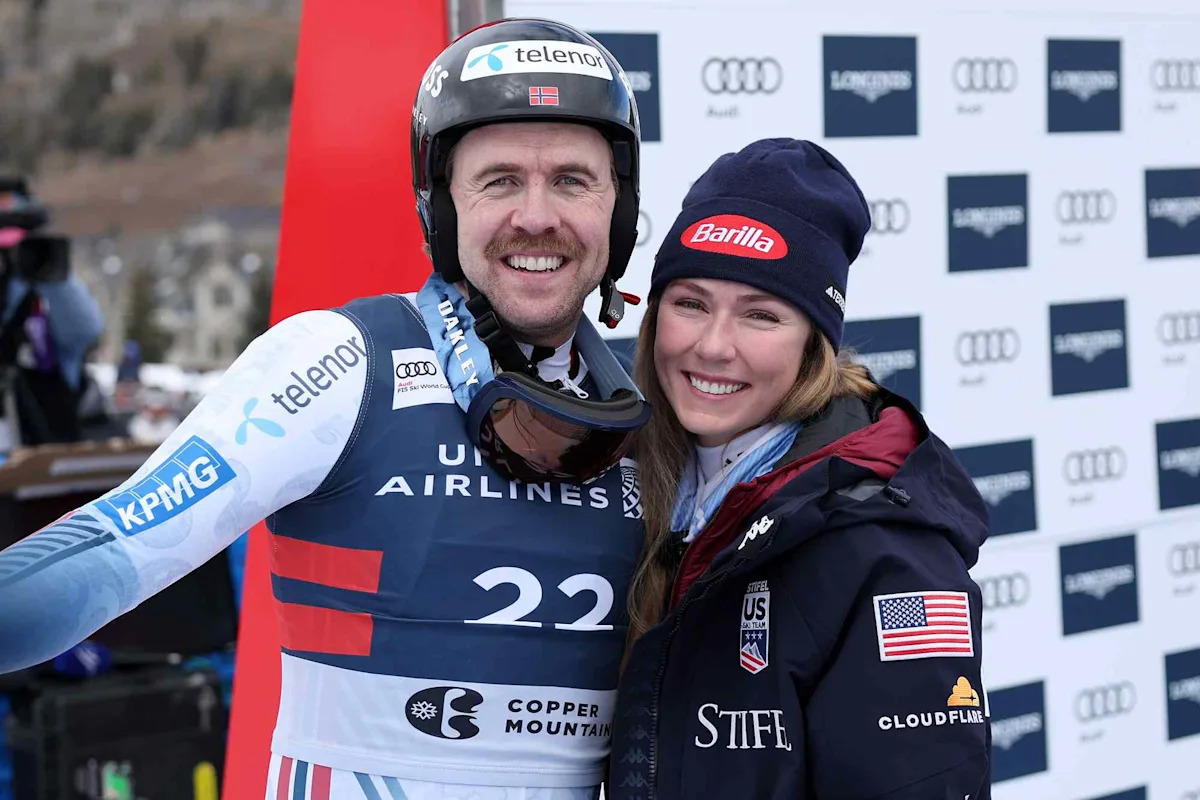
A pivotal component of Shiffrin’s sustained elite performance framework is her strategic partnership with fiancé Aleksander Aamodt Kilde, himself a World Cup-winning alpine skier. Their relationship, confirmed in May 2021 and formalized by an engagement in April 2024, constitutes a unique support structure, leveraging shared professional expertise. Kilde emphasizes that their capacity for sharing experiences and engaging in nuanced technical conversations fosters a mutual understanding often unattainable through traditional coaching or support staff. This peer-level strategic alignment enables both athletes to navigate the specific, high-stakes stresses of the World Cup circuit and Olympic competition with a deeply shared vocabulary of performance, recovery, and psychological management.
Historical Context and Emotional Resilience
The profound resilience underpinning this partnership was tested early. In late 2020, as Shiffrin navigated the profound personal loss of her father, Jeff Shiffrin, a period of emotional closure led Kilde to misinterpret a joke, briefly jeopardizing their communication. The subsequent resolution of this friction and the intentional growth of their relationship underscore the critical role of emotional healing in sustaining long-term career viability. Shiffrin’s demonstrated capacity to integrate personal grief with the relentless demands of a high-stakes professional career has become a central narrative of her 2026 Olympic cycle, providing a crucial stabilizing force visibly absent during her more challenging 2022 campaign.
Institutional Implications of the Shiffrin-Kilde Alliance
Beyond its personal dimension, the Shiffrin-Kilde alliance carries significant institutional weight. By bridging two of the world’s most successful national skiing programs – Team USA and Norway – their union generates a high-profile synergy, drawing substantial media attention and sponsorship interest, solidifying their status as winter sports’ preeminent power couple. More fundamentally, this partnership offers a practical model for how elite athletes can strategically mitigate the inherent isolation of the professional circuit. By aligning with a peer operating at the same competitive echelon, Shiffrin has cultivated a unique source of stability and strategic support that functions independently of her coaching staff and national federation, providing a crucial private layer of performance enhancement.
Mental Strength as a Competitive Advantage
Following her gold medal triumph, Kilde publicly lauded Shiffrin’s unparalleled mental strength, asserting that her performance definitively answered the lingering doubts from the 2022 Beijing Games. This validation from a peer champion reinforces the narrative of Shiffrin as an athlete who has not merely recovered, but fundamentally mastered the psychological demands at the sport’s apex. The 1.50-second margin of victory is particularly telling; it signifies a level of mental clarity and unhesitating execution of her technical plan, a stark contrast to previous Olympic appearances. In a discipline where success is often determined by hundredths of a second, such a dominant gap unequivocally indicates a holistic mastery of both the physical and profound psychological elements of elite competition.
Operational Continuity and Future Strategic Planning
Demonstrating acute operational foresight, Shiffrin and Kilde have strategically deferred wedding planning until after the conclusion of the competitive season. This decision profoundly reflects a disciplined prioritization of professional objectives, ensuring that significant personal milestones are seamlessly integrated without compromising Olympic performance. This operational focus is indicative of the couple’s overarching approach to their careers, where personal stability actively underpins and amplifies professional performance. The robust foundation provided by their engagement appears to have established a critical ‘performance floor,’ enabling Shiffrin to maintain unwavering focus and execute her strategy even amidst the less-than-optimal early results witnessed in Milan Cortina.
The Legacy of Technical Dominance
Shiffrin’s legacy of technical dominance began at 18, when she became the youngest Olympic gold medalist in slalom history in 2014. Her 2026 victory, however, solidifies this legacy by showcasing an extraordinary capacity for evolution and sustained competitiveness across multiple Olympic cycles, a feat demanding constant technical refinement and psychological adaptation. The 2026 gold medal run stands as a testament to her longevity and her profound ability to surmount the psychological hurdles that frequently derail athletes following high-profile setbacks, such as her experience in Beijing. By decisively reclaiming her position at the pinnacle of the podium with such a commanding lead, Shiffrin has unequivocally redefined the enduring standards of excellence in women’s alpine skiing.
Conclusion: The Synergy of Personal and Professional Success
Mikaela Shiffrin’s 2026 Olympic campaign emerges as a compelling narrative, inextricably linking profound personal growth with unprecedented professional success, largely catalyzed by her partnership with Aleksander Aamodt Kilde. Her remarkable transition from the emotional closure of 2020 to the historic dominance of 2026 profoundly illustrates the catalytic impact a stable, strategically aligned support system can exert on elite athletic performance. As the 2026 Games unfold, Shiffrin’s performance will undoubtedly be scrutinized as a seminal case study in resilience, strategic mental management, and the power of integrated personal and professional stability. Her ability to transform a period of personal grief and professional uncertainty into a record-breaking Olympic victory unequivocally cements her status as one of the most enduring and significant figures in the history of alpine skiing.