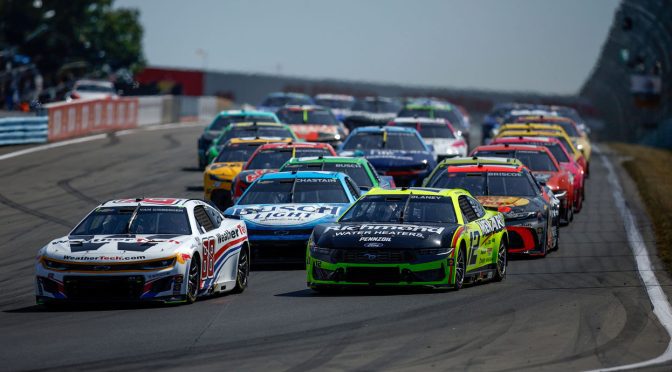
NASCAR Cup Series Grapples with Weather and Schedule Dynamics at Watkins Glen
The NASCAR Cup Series weekend at Watkins Glen International, the second road course event of the 2026 season and the 12th points-paying race, is being significantly shaped by unpredictable weather and substantial calendar realignments. This event underscores NASCAR’s ongoing strategic efforts to balance traditional racing venues with evolving fan engagement and competitive considerations.
Defending race winner Shane van Gisbergen faces a distinct challenge in repeating his 2025 victory, a feat complicated by a major schedule alteration. The 2026 “Go Bowling at The Glen” has been moved to an early May date, marking the earliest the Cup Series has ever visited the upstate New York circuit, deviating from its typical late summer or September placement.
This calendar reshuffling has direct consequences for drivers like van Gisbergen, who now has limited opportunities to defend road course wins, with Watkins Glen and Sonoma Raceway being his primary venues. The removal of the Mexico City race, the relocation of the Chicago street circuit to an oval, and the displacement of the Charlotte Roval from the schedule collectively redefine the road-course racing landscape and team strategies.
The continued participation of established road course specialists like Katherine Legge, driving the No. 78 Live Fast Motorsports Chevrolet, highlights the depth of talent in this discipline. Legge’s seven Cup Series starts in 2025, including a prior run at Watkins Glen, provides a benchmark for her performance potential against the 38-car field.
Inclement weather, specifically rain and muddy conditions, is causing considerable disruption to the fan experience and operational logistics within the Watkins Glen camping areas and grounds. The presence of on-site towing services addresses immediate challenges in managing vehicle access and attendee mobility, illustrating the direct impact of environmental factors on event execution.
NASCAR’s decision to host Watkins Glen in early May for 2026, with a planned return to a September playoff slot in 2027, signifies a deliberate strategy to optimize the season’s flow. This scheduling flexibility aims to enhance competitive balance, align with fan viewing habits, and potentially mitigate the impact of severe weather patterns.
Van Gisbergen’s pragmatic outlook, stating, “We can’t go there and just expect to win,” encapsulates the inherent unpredictability of motorsport. This sentiment is critical for understanding the competitive dynamics at play, where driver skill, team execution, and track conditions converge to determine race outcomes.
The diverse geographical representation on the entry list, with teams and personnel hailing from various US states and Mexico, demonstrates NASCAR’s broad operational reach and the logistical complexity of managing a national series.
The proactive deployment of local support services, such as Fleet Pride towing, exemplifies the critical infrastructure required for large-scale events, particularly when facing adverse weather. Their integration into event operations is key to mitigating disruptions and ensuring attendee satisfaction.
The temporal shift of the Watkins Glen race date, from its traditional summer slot to early May in 2026 and a proposed September return in 2027 as part of the playoff structure, suggests a strategic re-evaluation of the calendar’s impact on viewership, weather, and competitive narrative. These adjustments influence team preparation, driver endurance, and the season’s overall competitive arc.
The introduction of a new, highly technical street circuit at Naval Base Coronado for 2026 adds another dimension to the road-course racing calendar. This novel venue, alongside the established Watkins Glen and Sonoma, presents drivers like van Gisbergen with varied challenges requiring distinct skill sets and adaptability.
Despite weather-related challenges, fan sentiment at Watkins Glen has been described as “phenomenal,” underscoring the enduring dedication of the NASCAR fanbase. This strong support is a vital asset influencing venue selection, scheduling decisions, and investment strategies within the sport.
The operational intricacies of a NASCAR race weekend, amplified by weather, demand robust contingency planning and readily available support services. The reliance on regional service providers for logistical assistance highlights the interconnectedness between event management and local economies.
The strategic implications of schedule changes extend to team investment and resource allocation. Road course-focused teams must adapt development cycles and testing strategies to new venues and altered dates, potentially creating competitive advantages or disadvantages.
The narrative of defending a win at Watkins Glen, set against the backdrop of broader schedule realignments, offers insight into the dynamic nature of professional sports calendars. These adjustments are often driven by a confluence of factors including broadcast agreements, sponsor interests, fan engagement metrics, and the pursuit of competitive relevance.
Van Gisbergen’s measured approach to new challenges, such as the Coronado street course, exemplifies the strategic mindset required for success in modern NASCAR. His acknowledgment that victory demands more than just raw talent emphasizes the necessity of rigorous preparation and adaptive strategies.
Logistical planning for a Watkins Glen race weekend, especially with an early May date, involves intricate coordination among local authorities, track operations, and external service providers. The success of such events relies on the seamless integration of these elements, particularly when weather introduces unforeseen variables.
The competitive demands of the 2.45-mile Watkins Glen road course require drivers and teams to meticulously optimize car setups for a challenging mix of high-speed sections, technical corners, and significant elevation changes. Performance is further influenced by fluctuating track conditions and weather.
Financial considerations for teams and sponsors are closely tied to schedule predictability and event visibility. Consistent race dates and favorable weather patterns facilitate marketing efforts, while frequent changes necessitate strategic recalibrations.
Watkins Glen’s historical significance as a premier road course in American motorsport provides a foundational context for the current event. Its enduring appeal, amidst evolving NASCAR formats, speaks to its intrinsic value as a demanding test of driver and machine.
NASCAR’s schedule construction involves a complex interplay of stakeholder interests, including track owners, broadcast partners, corporate sponsors, and drivers. The early May date for Watkins Glen, and its planned September return, reflects an ongoing negotiation to optimize these diverse priorities.
The competitive advantage held by drivers with strong road course pedigrees, such as van Gisbergen, is amplified by the inclusion of varied road course layouts in the Cup Series. This necessitates strategic investment in specialized talent and engineering by teams.
The exposure of fans to variable weather conditions at Watkins Glen presents an opportunity for track operators and NASCAR to showcase their event management capabilities. Successfully navigating such challenges can enhance the reputation of the venue and the sport.
The long-term strategic positioning of key road courses, like Watkins Glen, within NASCAR’s playoff structure, as indicated by its planned September return in 2027, highlights a commitment to making road course performance critical to championship contention.
The competitive implications of van Gisbergen’s adaptable approach to new challenges, such as the Coronado street course, extend to how other drivers and teams will respond. His measured outlook encourages a broader strategic reevaluation of preparation and execution across the entire field.
The financial incentives for local service providers, like towing companies, are directly linked to the operational demands of major sporting events. Their role in mitigating weather-related issues at Watkins Glen highlights a symbiotic relationship between the sport and the local economy.
The narrative of the 2026 Watkins Glen race thus extends beyond on-track competition, encompassing the intricate web of logistical, strategic, and environmental factors that define the modern motorsport landscape.