System Update Signals End for Legacy Peripheral Support in Windows 11
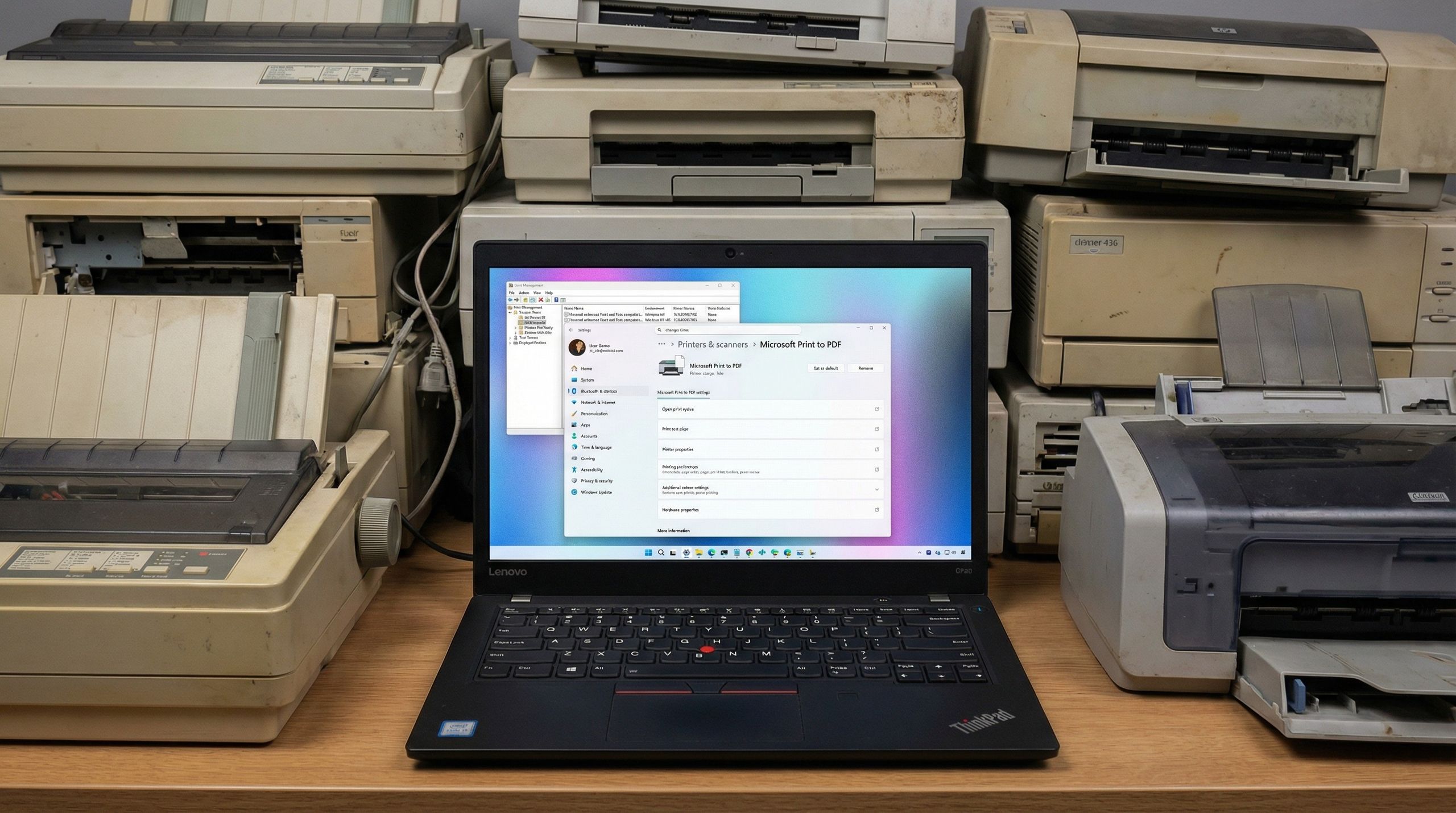
Microsoft is undertaking a significant infrastructural modification within the Windows 11 operating system concerning peripheral device support, specifically targeting older printer drivers. This administrative action involves the planned cessation of distribution for established driver models, namely the V3 and V4 specifications.
This strategic removal places a substantial volume of existing printing hardware into an unsupported category, effectively putting millions of devices on a temporal limit for continued functionality within the current computing environment. The stated timeline for this transition indicates that the next major system update cycle for Windows 11 will include the enforcement of this driver discontinuation.
The Institutional Rationale for Driver Deprecation
The decision to purge older driver architectures is generally rooted in enterprise-level imperatives concerning security, stability, and operational efficiency across a standardized software platform. Legacy driver frameworks, while foundational to past hardware generations, often present complex maintenance overheads when integrated into modern operating system kernels.
From an administrative standpoint, maintaining compatibility layers for outdated driver standards necessitates diverting significant engineering resources. These resources could otherwise be allocated toward advancing driver models optimized for contemporary security protocols and enhanced integration with newer system architectures. The move aligns with a broader industry trend toward retiring obsolete codebases that introduce potential vectors for system instability or security vulnerabilities.
Structural Implications of V3 and V4 Driver Retirement
The V3 and V4 classifications represent distinct evolutionary stages in Microsoft’s framework for managing hardware interfaces, particularly for printing peripherals. The retirement of these specifications implies a mandatory pivot towards a successor architecture, presumably one that offers improved integration with the Windows 11 core functionalities.
For the broader ecosystem of device manufacturers, this necessitates a comprehensive review and potential overhaul of their existing hardware support documentation and software distribution mechanisms. When a major operating system vendor dictates the sunsetting of specific interface standards, it places an imperative on peripheral manufacturers to ensure their products adhere to the current, supported standards.
Impact Assessment on End-User Hardware Lifecycle Management
The consequence of this policy shift is most acutely felt by end-users and organizations relying on hardware that predates the mandate for the newer, replacement driver structure. Devices functioning correctly today that rely exclusively on V3 or V4 communication protocols face functional obsolescence relative to the operating system environment.
This scenario highlights the inherent lifecycle management challenge associated with connected peripherals; their operational viability becomes tethered not only to the physical integrity of the hardware but also to the evolving administrative policies of the host operating system provider. The interruption of driver distribution prevents necessary updates or reinstalls, effectively limiting the lifespan of the hardware within the specified software environment.
Contextualizing the Timeline and System Updates
The transition is scheduled to crystallize around a forthcoming system update for Windows 11. This indicates a procedural enforcement mechanism tied directly to the established release schedule for major OS iterations. Such updates are designed to systematically cleanse the operating system environment of deprecated components.
The reference to the ‘next system update’ underscores that this is not a passive deprecation but an active, scheduled purge. This procedural approach minimizes ambiguity regarding the final cutoff point for these specific driver types within the Windows 11 deployment base.
The Manufacturing and Support Ecosystem Response
The discontinuation of support for widely adopted driver standards inherently generates ripples across the accessory and maintenance sectors supporting these devices. Service providers and IT departments must account for the fact that future troubleshooting or re-imaging scenarios for affected printers will require workarounds or migration strategies.
The transition forces stakeholders to evaluate the cost-benefit analysis of continued support for older hardware versus the investment required to transition to hardware natively compatible with the post-V4 driver environment. This administrative demarcation line acts as an artificial forcing function for hardware refresh cycles across corporate and consumer landscapes.
Navigating the Institutional Mandate
Microsoft, as the custodian of the Windows operating system, exercises significant control over the parameters of peripheral compatibility. This control is leveraged to enforce security standards and streamline development. The action taken against V3 and V4 drivers is an exercise of this systemic authority over the platform’s hardware abstraction layer.
Users encountering issues due to the upcoming changes are alerted to the need for proactive assessment of their current printer infrastructure against the announced policy shift. The structural reality is that continued access to core OS functionality in modern environments requires adherence to the manufacturer’s evolving hardware compatibility specifications.