Constitutional Challenge to Automated License Plate Readers
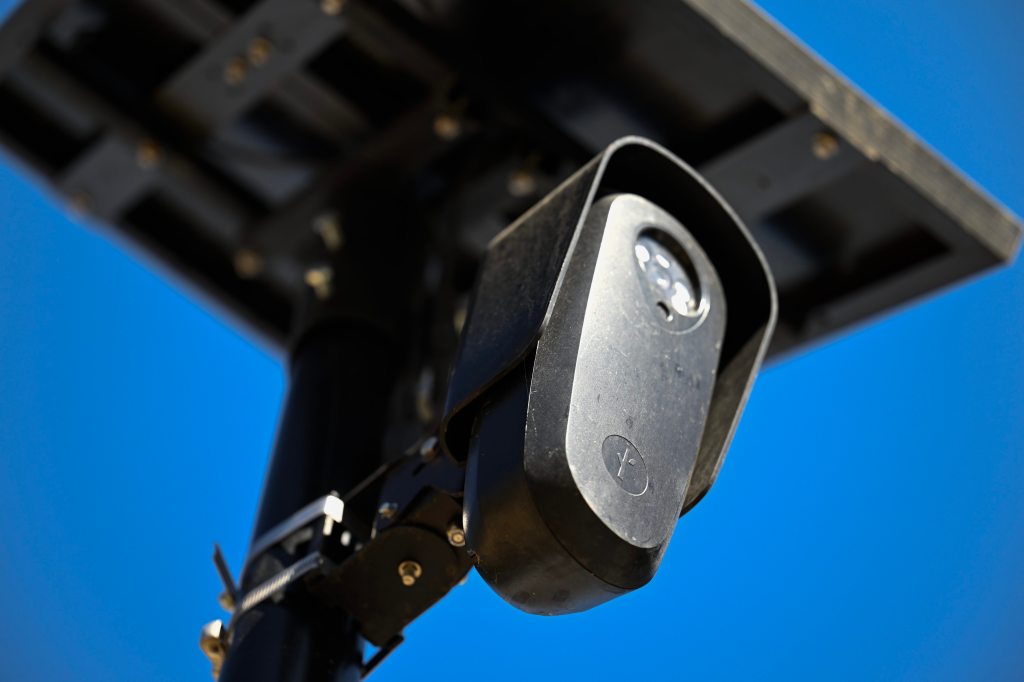
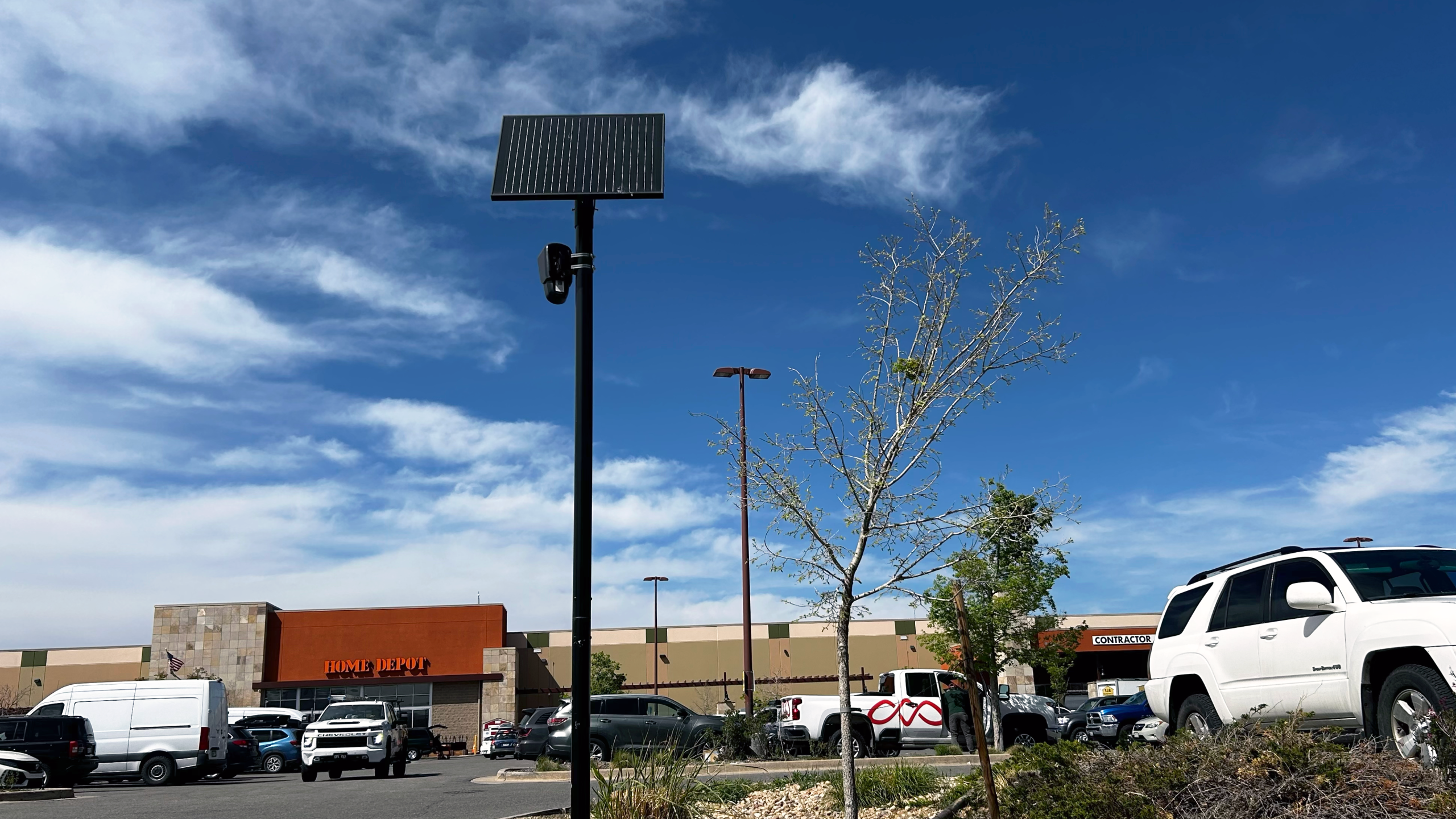
A class-action lawsuit filed in the Boulder County District Court has initiated a critical legal challenge against the Boulder Police Department’s deployment of Flock Safety technology. The plaintiffs, William Freeman and Gwen Steel, contend that the municipal deployment of 31 automated license plate recognition (ALPR) cameras establishes a warrantless, persistent dragnet. The complaint alleges this network violates search and seizure protections under Article II, Section 7 of the Colorado Constitution.
By systematically recording the location data of drivers and cyclists, the lawsuit argues the city has constructed a digital tracking infrastructure. Rather than pursuing targeted, individualized investigations based on probable cause, the system operates as an indiscriminate, continuous surveillance net over public thoroughfares.
The Legal Mechanics: Systemic Dragnet vs. Targeted Policing
At the center of the litigation is the distinction between focused law enforcement inquiries and passive public tracking. Because the vast majority of motorists monitored by these cameras are not suspected of criminal activity, the lawsuit argues the system functions as an ongoing, suspicionless search of the public.
The action names Boulder Police Chief Stephen Redfearn and records official Dawn VanAckeren as defendants. The plaintiffs’ legal counsel argues that deploying automated tracking networks without prior judicial authorization or robust statutory safeguards is fundamentally incompatible with state constitutional privacy guarantees.
Municipal Liability and the Future of Algorithmic Surveillance
Beyond immediate privacy concerns, the case highlights the legal and administrative risks incurred by municipalities integrating third-party data collection tools. As local agencies rapidly adopt ALPR systems to optimize law enforcement efficiency, the rate of technological adoption has outpaced clear judicial guidelines on spatial-temporal tracking limits.
The plaintiffs are seeking a declaratory judgment to rule the current warrantless deployment unconstitutional, alongside an injunction to halt the operation of Flock cameras without judicial warrants. A ruling in favor of the plaintiffs would disrupt active policing workflows and establish a highly restrictive precedent for automated monitoring systems across Colorado and the wider United States.