Strategic Pairings at Masters 2026: Media Leverage and Competitive Dynamics
The release of the first and second round tee times for the 90th Masters at Augusta National Golf Club offers more than a simple schedule; it provides a strategic blueprint for how the tournament manages its competitive narrative and optimizes media value. The groupings, structured as three-somes for the initial rounds, represent carefully curated pairings designed to leverage key storylines, maximize broadcast exposure, and precisely manage the competitive dynamics within a fractured professional golf landscape.
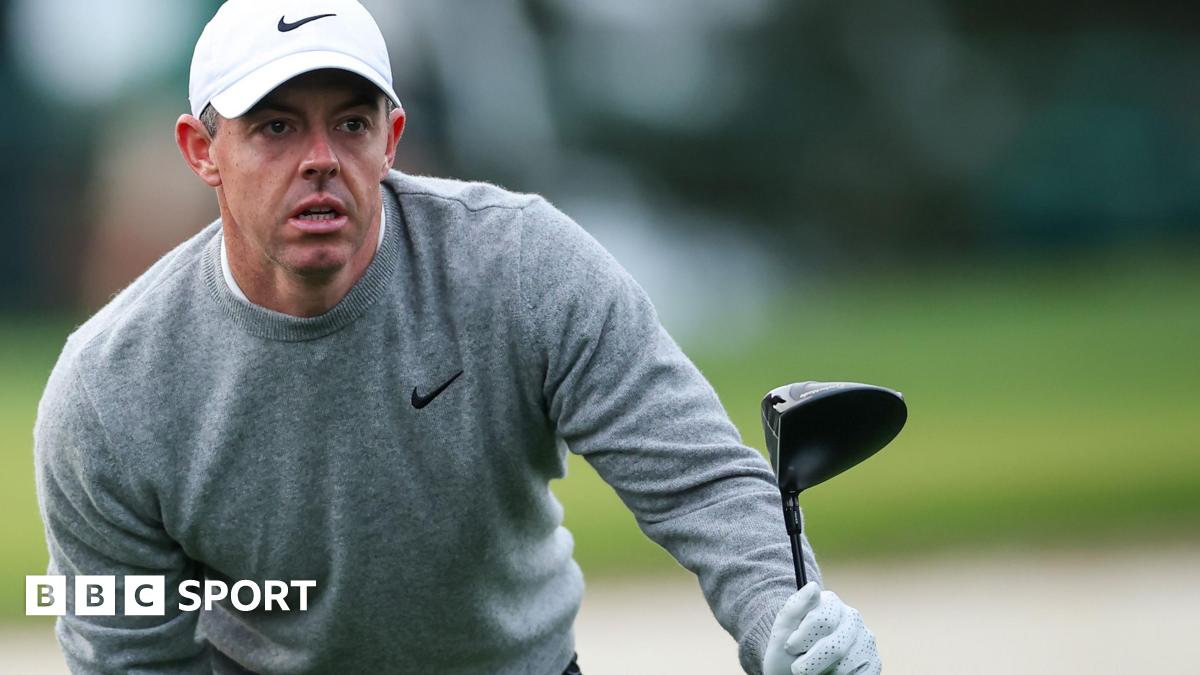
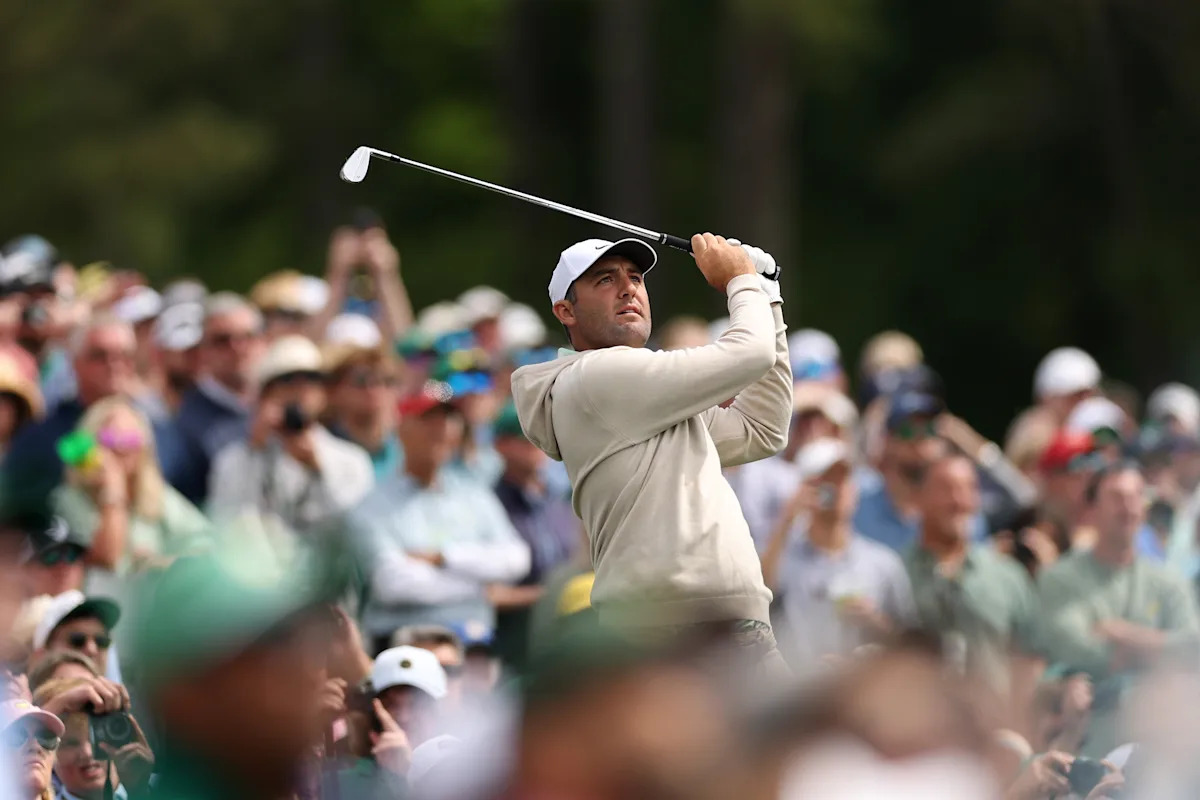
Augusta National’s scheduling strategy for marquee players reflects a sophisticated understanding of broadcast windows and audience engagement. By placing defending champion Rory McIlroy on the early-late half of the draw and world number one Scottie Scheffler on the late-early half, the tournament ensures continuous high-value content throughout both days of initial play. This approach effectively doubles the peak broadcast window for the tournament’s most anticipated players, ensuring sustained viewership across different time zones and maximizing return on investment for broadcast partners. The inclusion of a player like Scheffler, returning from a brief absence with a new personal narrative, creates an added layer of anticipation that enhances digital engagement and media interest from the first tee shot.
Pairings as Competitive Validation: The LIV Golf Dynamic
The Masters remains the primary battleground where players from the PGA Tour and the Saudi-backed LIV Golf league directly compete. The pairings involving prominent LIV players are critical for assessing the competitive standing of the breakaway league and managing the ongoing industry power struggle. Augusta National strategically uses these groupings to create high-leverage comparison points for performance evaluation.
The grouping of Bryson DeChambeau, Matt Fitzpatrick, and Xander Schauffele exemplifies this strategy. DeChambeau’s recent contention at Augusta and his status as a key figure in LIV Golf make his performance a focal point for media analysis. His direct competition against established PGA Tour champions like Fitzpatrick and Schauffele provides a clear, high-stakes comparison point for evaluating the relative competitive strength of the two tours. Similarly, the pairing of Justin Rose, Jordan Spieth, and Brooks Koepka creates another high-leverage scenario, pitting Koepka, a five-time major champion and prominent LIV player, against three-time Augusta runner-up Rose and former champion Spieth. The outcomes of these specific groupings will inevitably be used by media and analysts to frame the broader narrative of competitive parity or divergence between the two leagues.
Institutional Identity and Narrative Anchors: The Amateurs
The Masters’ commitment to integrating amateurs into high-profile pairings reinforces its institutional identity and differentiates it from other professional majors. The inclusion of US Amateur champion Mason Howell in the defending champion Rory McIlroy’s group serves multiple purposes. It reinforces the Masters’ unique tradition while simultaneously placing McIlroy alongside a recent high-profile winner (Cameron Young) to establish an immediate competitive benchmark. This strategic pairing of tradition (the amateur) with current competitive excellence (McIlroy and Young) strengthens the tournament’s narrative anchor, providing a counter-narrative to the purely commercial focus of professional golf. This institutional strategy ensures that the Masters maintains its unique position in the golf ecosystem, enhancing its reputational value and separating it from the competitive rivalries that define the regular professional tours.
Commercial Implications and Market Leverage
The operational decisions regarding tee times and groupings directly influence the financial value of the Masters’ media rights and commercial leverage. The careful scheduling of marquee groups during peak broadcast windows ensures maximum return on investment for broadcast partners. By highlighting specific featured groups, the tournament ensures that high-demand content is available throughout the day, driving viewership and digital engagement. This strategic content curation enhances the perceived value of the Masters broadcast package, which is a significant source of revenue and institutional power for Augusta National.
Furthermore, the performance of specific players in these high-leverage pairings has direct implications for betting markets and sponsor value. The status of players like Scottie Scheffler as the betting favorite drives significant capital movement in sports betting markets. For corporate sponsors, the performance of endorsed athletes at the Masters provides unparalleled brand exposure. The strategic pairings, by placing high-profile players in highly visible groups, maximize potential return on investment. A strong showing at Augusta National significantly enhances a player’s marketability and future endorsement value, providing a direct link between on-course strategy and off-course financial outcomes.
Conclusion: The Masters as a Strategic Nexus
The Masters 2026 tee times are a calculated effort by Augusta National to leverage the ongoing conflict between professional tours while reinforcing its unique position as a traditional major championship. By strategically grouping players to maximize media value, facilitate direct competitive comparisons, and uphold institutional traditions, Augusta National ensures the tournament remains a central nexus of financial, strategic, and competitive significance within the global golf ecosystem.