Strategic Talent Acquisition and the Levy-Gosling Synergy
The official casting of Ryan Gosling as Johnny Blaze in the Marvel Cinematic Universe (MCU) represents a calculated shift in Marvel Studios’ talent acquisition strategy. By securing a three-time Oscar nominee for the 2028 Ghost Rider standalone feature, Kevin Feige is signaling a transition toward high-prestige, established actors to anchor the franchise’s supernatural sub-division. This move follows years of intense fan speculation and serves to revitalize an intellectual property that has remained theatrically dormant since 2011.
The appointment of Shawn Levy as director underscores a growing institutional reliance on proven creative partnerships. Following their collaboration on Star Wars: Starfighter (slated for May 2027), the Levy-Gosling duo offers Marvel an operational synergy that minimizes production friction. Levy’s recent success with Deadpool & Wolverine positions him as a primary architect for the MCU’s tonal shifts, balancing blockbuster requirements with the darker, R-rated sensibilities necessary for a supernatural vengeance narrative.
Financial Benchmarking and IP Reclamation
Integrating Ghost Rider into the internal Marvel Studios pipeline effectively ends the character’s legacy association with Sony Pictures’ previous iterations. While the Nicolas Cage-led films (2007, 2011) generated a combined $361 million worldwide, Marvel likely views this as a baseline to be eclipsed through superior cross-pollination and brand integration. The 2028 release window is strategically placed to lead the MCU out of its multiversal narrative and into a grounded, horror-adjacent thematic era.
Market analysts suggest Gosling’s involvement significantly de-risks the supernatural genre. Given the $684 million global performance of Project Hail Mary, Gosling provides the commercial gravity required to elevate Ghost Rider from a niche genre film to a tentpole event. This casting reflects a broader philosophy of ‘prestige-driven’ development, prioritizing visual and narrative depth over rapid-fire release cycles.
Operational Logistics and the Midnight Sons Framework
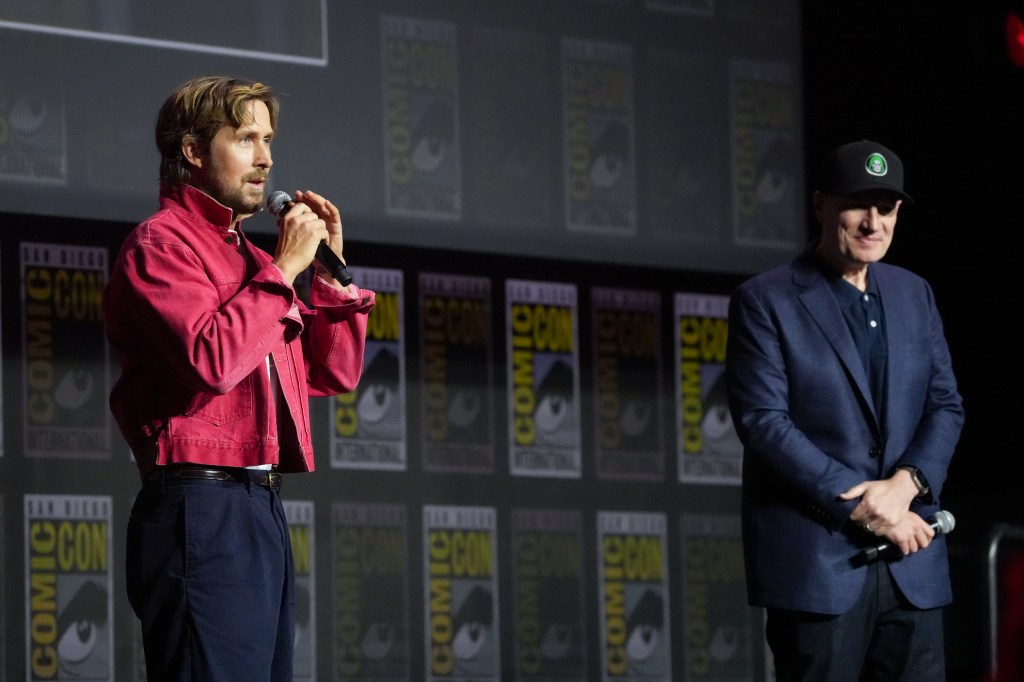
The San Diego Comic-Con Hall H reveal serves as a high-value marketing event designed to consolidate institutional momentum. By establishing a four-year development window, Marvel ensures ample lead time for the complex CGI and practical effects—such as the iconic flaming cycle—required to meet modern audience expectations. Furthermore, the introduction of Johnny Blaze provides the narrative weight necessary to anchor the rumored Midnight Sons ensemble, potentially bridging the gap between existing heroes like Doctor Strange and the MCU’s darker corners.
Ultimately, Ghost Rider is a structural realignment of creative and financial priorities. Leveraging Levy’s directorial momentum and Gosling’s marketability provides a robust foundation for this sub-franchise. Stakeholders will be monitoring production milestones closely, as the success of this project will serve as a bellwether for the viability of the MCU’s supernatural expansion throughout the late 2020s.