Entertainment Franchises Navigate New Chapters and Legacy Disputes
The contemporary entertainment industry is witnessing significant strategic realignments across major film franchises. Key developments include the introduction of a new lead for Marvel’s ‘Black Panther 3,’ the trailer debut for Mattel’s ‘Matchbox: The Movie,’ and ongoing legal proceedings concerning the estate of the late Chadwick Boseman. These events collectively underscore evolving studio tactics for IP management, brand expansion, and the intricate challenges of honoring and managing artist legacies.
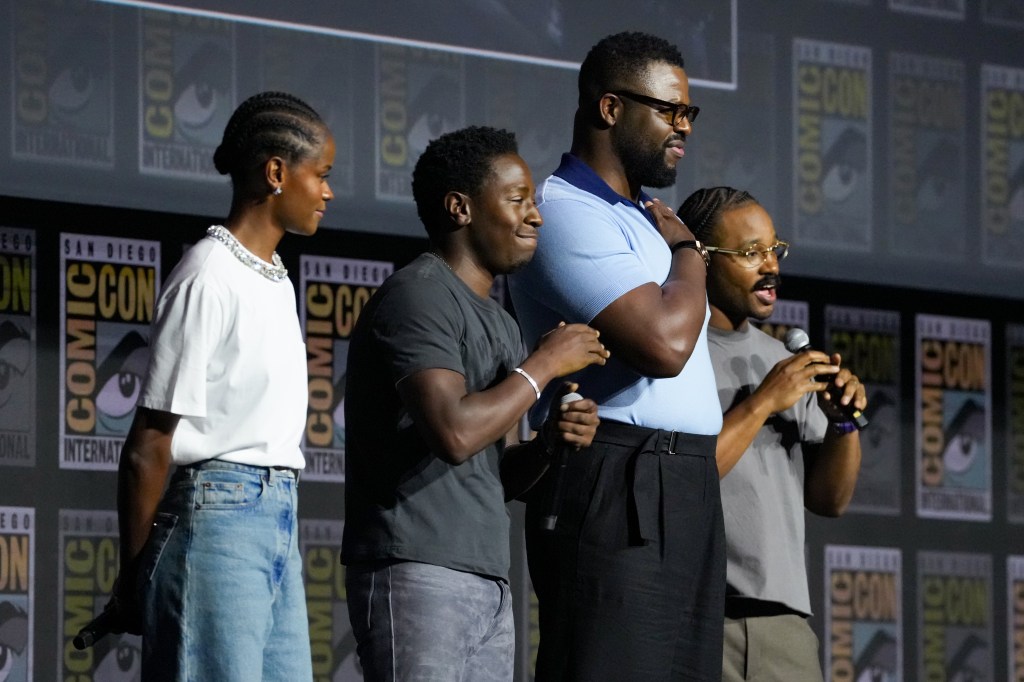
‘Black Panther 3’ Casts David Jonsson as T’Challa II, Charts Generational Path
Marvel Studios has officially cast David Jonsson as T’Challa’s son, T’Challa II, in ‘Black Panther 3,’ slated for a December 15, 2028 release. This decision by director Ryan Coogler signifies a deliberate generational narrative strategy to continue the culturally impactful franchise, addressing the void left by Chadwick Boseman’s passing. The film builds upon the legacy established in ‘Black Panther’ (grossing $1.3 billion) and ‘Wakanda Forever’ ($859 million), aiming to maintain commercial momentum and justify continued investment from Disney.
Jonsson’s recent high-profile roles in ‘The Long Walk’ and ‘Alien: Romulus’ signal his readiness for major blockbuster roles, complementing an ensemble that may include Denzel Washington. This casting is crucial for balancing fan expectations for continuity with the narrative necessity of evolving the story, a complex undertaking vital for long-running cinematic universes. His performance will be pivotal in carrying the gravitas and charisma associated with the T’Challa mantle, impacting global audience appeal and the franchise’s brand equity.
The advance announcement of the lead actor and release date highlights Marvel Studios’ long-term planning, crucial for managing the substantial financial risks of tentpole productions and ensuring content for theatrical and streaming platforms. The financial implications extend to ancillary markets, with a central, aspirational character like T’Challa II driving merchandise, theme park attractions, and licensing opportunities, directly contributing to Disney’s revenue streams.
‘Matchbox: The Movie’ Trailer Signals Mattel’s Toy-to-Screen Ambitions
The trailer for ‘Matchbox: The Movie,’ premiering October 9 on Apple TV+, showcases Mattel’s concerted effort to transform its iconic toy brands into cinematic universes. Starring John Cena as an operative in a globetrotting adventure, the film represents a significant partnership between Apple TV+ and Mattel, leveraging nostalgic IP for contemporary viewers.
Directed by Sam Hargrave (‘Extraction’) and written by David Coggeshall, the action-packed film aims to appeal to a broad demographic by blending familiar brand elements with star power and a compelling narrative. The extensive cast includes Jessica Biel, Arturo Castro, Sam Richardson, Teyonah Parris, Danai Gurira, Golshifteh Farahani, Corey Stoll, and Bill Camp, underscoring the production’s commitment to high value and broad appeal.
This venture exemplifies the trend of tech giants investing heavily in content to boost subscriber growth. For Mattel, it’s a critical opportunity to revitalize a brand dating back to 1953 and unlock new revenue streams beyond traditional toy sales. The film’s narrative, focusing on friendship and adventure, is designed to resonate with both existing fans and new audiences, potentially paving the way for a broader Mattel cinematic universe.
The financial stakes for Apple TV+ lie in differentiating its content library, while for Mattel, success could significantly boost brand visibility and drive toy sales, demonstrating the power of cross-platform synergy. This strategic collaboration, backed by producers like David Ellison and Robbie Brenner, signifies robust creative and financial commitment.
Legal Dispute Over Chadwick Boseman’s Estate Creates Complications
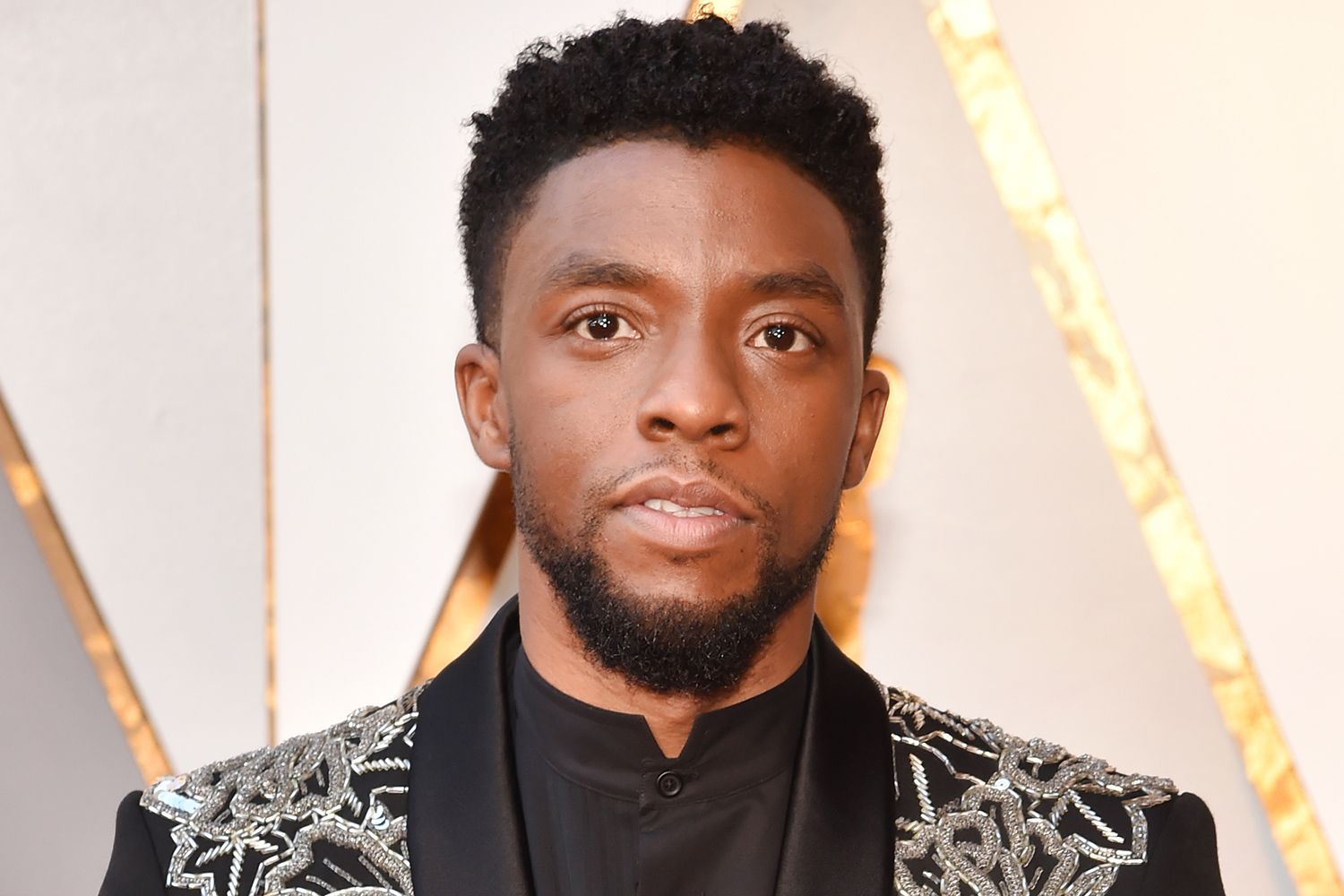
Adding a somber dimension to the ‘Black Panther’ franchise’s forward momentum, Chadwick Boseman’s brothers, Kevin and Derrick, have filed a lawsuit against his widow, Taylor Simone Ledward. Initiated on July 17 in Los Angeles, the suit seeks clarity on the administration and distribution of Boseman’s estate, nearly four years after his passing.
The brothers’ statement indicates a dispute over asset management and distribution, potentially stemming from unmet expectations regarding testamentary wishes or estate governance. This legal action brings public scrutiny to the financial and personal affairs of the revered actor, highlighting the complexities of estate administration for high-profile individuals. The allegations of improper asset distribution point to potential governance failures within the estate’s management.
The outcome of this lawsuit could impact the future management of Boseman’s intellectual property and financial assets, potentially influencing posthumous projects or charitable endeavors. It raises broader questions about the legal and financial frameworks governing the estates of prominent artists and the potential for disputes among surviving family members. The financial leverage of Boseman’s estate, including royalties, is a critical factor in these proceedings, with the brothers’ petition implying concerns over asset management and distribution aligning with legal or familial expectations.
The legal entanglement underscores the importance of clear estate planning and transparent administration, especially when valuable cultural legacies are involved. This process serves as a stark reminder of the need for meticulous legal and financial oversight to safeguard both the deceased’s wishes and the financial well-being of heirs, while preserving the integrity of their public legacy. The operational complexities of managing a vast estate tied to global IP are considerable, with legal proceedings likely delving into asset management, accounting, and distribution details.
Industry Intersections: Strategy, Finance, and Legacy
These three concurrent narratives—a new direction for a flagship superhero franchise, the expansion of a toy brand into film, and a legal dispute over a beloved actor’s estate—illustrate the multifaceted nature of the modern entertainment industry. ‘Black Panther 3′ showcases Marvel Studios’ established franchise management model, while ‘Matchbox: The Movie’ highlights Apple TV+’s content acquisition strategy and Mattel’s IP monetization efforts. The Boseman estate dispute operates within the legal and familial structures governing inheritance.
The competitive landscape sees studios vying for audience attention, with franchise revitalizations and new IP plays. Simultaneously, the Boseman estate issue underscores the critical need for robust governance and transparent financial practices, impacting investor confidence. The capital movement is substantial, with major studios investing heavily in new productions, while estate disputes represent contested control of existing assets.
Ultimately, these developments reflect the dynamic interplay of creative ambition, financial realities, and the enduring impact of cultural figures. The industry’s structural logic—balancing IP leverage, market demands, and the responsible stewardship of legacies—is on full display, shaping the forward trajectory of entertainment content and the careers of its stars.