Judicial Scrutiny Over State-Level Immigration Benefits
A significant federal legal ruling has introduced major structural uncertainty into state-level higher education financing across Illinois. U.S. District Judge Stephen McGlynn, a Trump appointee in the Southern District of Illinois, issued a permanent injunction declaring key state statutory frameworks unconstitutional. The decision directly impacts state policies designed to expand access to public higher education through preferential pricing models and subsidized financial assistance.
The legal challenge, brought by the U.S. Attorney’s Office in the Southern District of Illinois and the Civil Division of the Department of Justice, targeted the foundational pillars of the state’s inclusive access strategy. Specifically, the court invalidated provisions within the Retention of Illinois Students and Equity Act, known as the RISE Act, alongside related measures enabling undocumented students to access public university tuition parity. These statutes had previously established mechanisms allowing individuals who met specific residency and graduation criteria to bypass out-of-state tuition classifications.
Statutory Arguments and Federal Enforcement Mechanics
The core of the federal government’s legal challenge rested on statutory preemption and the constitutional alignment of state incentives with federal immigration frameworks. Prosecutors argued that state-administered tuition benefits and financial aid programs actively conflicted with federal statutory restrictions governing the distribution of public benefits to undocumented individuals. By extending financial advantages not broadly accessible to out-of-state American citizens, the state statutes were deemed to operate in direct opposition to federal priorities.
U.S. Attorney Steven Weinhoeft articulated the prosecutorial stance, emphasizing that state-level funding mechanisms sought to incentivize unauthorized residency through taxpayer-backed subsidies. The judicial acceptance of this argument underscores the expanding legal leverage federal authorities maintain when challenging regional policies that intersect with immigration enforcement and federal supremacy doctrines.
Operational and Financial Exposure for Higher Education Institutions
The immediate operational fallout of the ruling places public colleges and universities in Illinois under intense administrative pressure. Institutions that integrated tuition parity models and state-funded financial aid structures into their long-term enrollment and revenue projections must now navigate sudden compliance mandates. The permanent injunction, although temporarily delayed by a fourteen-day stay to permit appellate intervention, forces academic administrators to evaluate alternative tuition categorization frameworks.
Financial aid departments face immediate disruptions regarding the administration of state-backed scholarships historically allocated to qualifying undocumented students under the RISE Act and the Illinois DREAM Act. The criteria that previously allowed students meeting specific high school attendance thresholds and residency durations to secure financial support are now legally unenforceable. Consequently, institutions must restructure their disbursement protocols to ensure absolute adherence to the federal court’s interpretation of constitutional boundaries.
Institutional Strategy and Appellate Litigation Dynamics
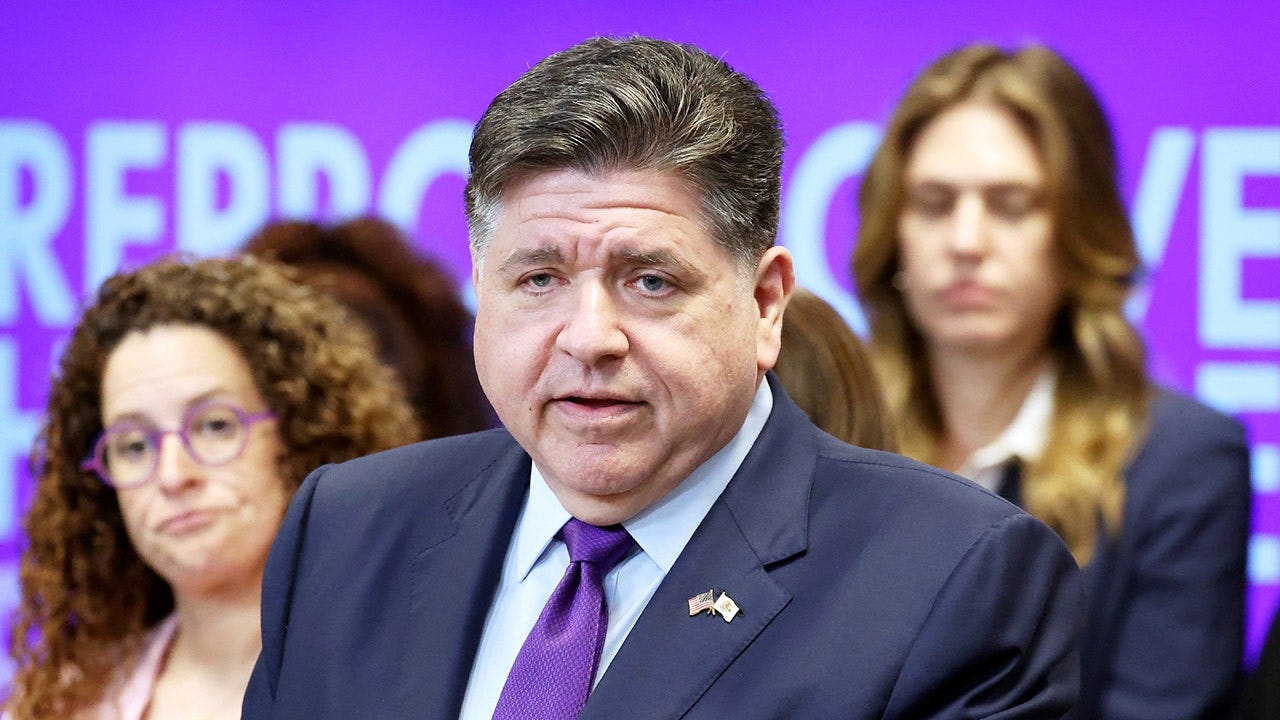
The strategic response from the administration of Governor JB Pritzker centers on securing a stay pending appeal within the designated fourteen-day judicial window. State attorneys face the complex task of convincing an appellate court to reverse a ruling grounded in strict statutory interpretation of federal supremacy over state benefit allocations. The ultimate outcome of this appellate review will establish a vital legal precedent regarding the constitutional limits of regional autonomy in matters touching upon immigration management.
Beyond the immediate judicial horizon, the decision carries profound implications for intergovernmental fiscal dynamics and the operational latitude of state legislatures. If upheld, the ruling constrains the capacity of state governments to utilize public revenue for targeted demographic inclusion programs that diverge from federal definitions of statutory eligibility.
Ecosystem-Wide Ramifications Across Jurisdictions
The implications of the Southern District of Illinois ruling extend well beyond state borders, mirroring similar enforcement actions initiated by federal authorities against other jurisdictions. By targeting state-level funding structures in multiple regions simultaneously, the Department of Justice has signaled a coordinated effort to enforce federal uniformity in higher education access. This multi-jurisdictional strategy restricts the ability of state lawmakers to establish independent pathways for undocumented residents without incurring substantial litigation risk.
Stakeholders across the higher education landscape, including institutional leaders, student advocacy organizations, and state fiscal planners, must now factor aggressive federal enforcement into their operational models. The ruling accelerates the transition toward heightened legal vulnerability for regional inclusion policies, necessitating continuous risk assessments by public institutions dependent on state legislative appropriations.