Strategic Pivot: From Monitoring to Active Interdiction
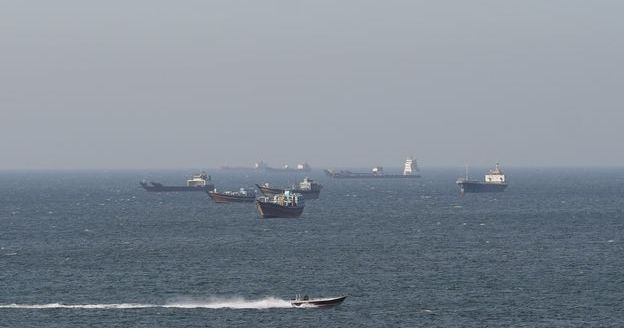
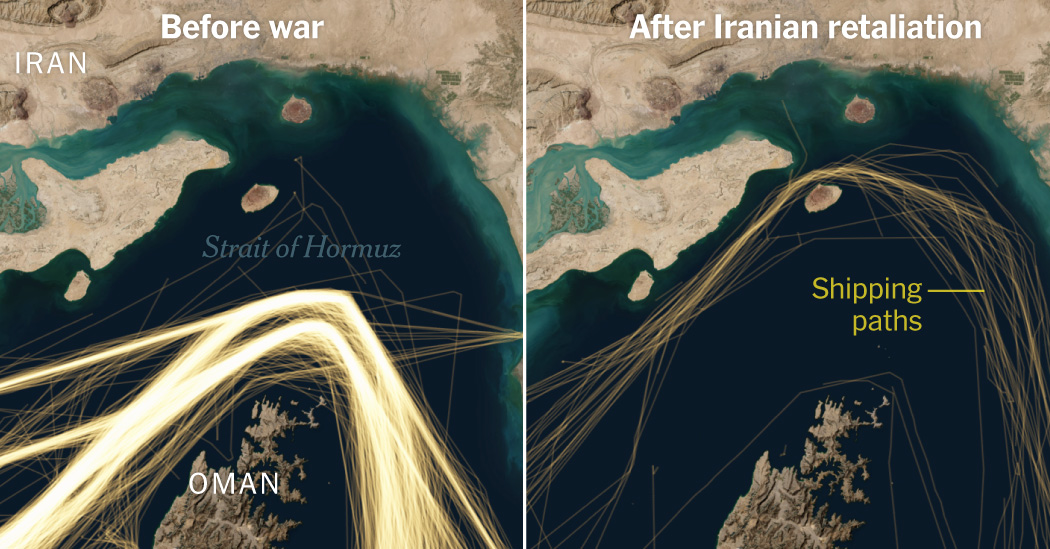
The transition to a U.S.-led naval blockade in the Strait of Hormuz marks a definitive end to the regional ‘operational status quo.’ Historically, a tacit maritime arrangement allowed Iranian-linked vessels relatively unhindered transit while international commercial shipping absorbed the brunt of asymmetric security risks. This paradigm has been superseded by a doctrine of active interdiction.
By deploying over 12 military assets to the Gulf of Oman, the United States aims to neutralize the economic leverage Iran derives from its proximity to this vital chokepoint. This strategic reconfiguration seeks to decapitate Iranian export revenues, transforming a previously volatile transit zone into a controlled corridor of economic statecraft.
The Surveillance Architecture of Maritime Denial
Operational effectiveness is underpinned by a sophisticated multi-domain surveillance grid. Integrating radar, long-range patrol aircraft, and persistent UAS (Unmanned Aerial Systems) deployments, the U.S. military has established a comprehensive digital perimeter. This oversight provides real-time situational awareness, allowing for the precise targeting of non-compliant vessels while maintaining the flow of sanctioned traffic.
This surveillance-heavy posture serves as both a physical barrier and a psychological deterrent. It forces global energy firms and insurers to recalibrate risk assessments, as the presence of high-end naval assets in international waters effectively redefines the legal and operational boundaries of the strait.
Resilience Amid Friction: Market Data vs. Military Posture
Despite the blockade’s intensity, Kpler shipping data reveals a notable persistence in commercial activity. A recent peak of over 20 vessels transiting the strait in a single 24-hour window—the highest volume since March—underscores the market’s prioritization of physical liquidity over geopolitical friction. Notably, this traffic included vessels carrying Iranian-origin petroleum derivatives and metals, highlighting the logistical friction inherent in enforcing a total maritime embargo.
Dated Brent and the Primacy of Physical Benchmarks
The continued movement of cargoes reflects a structural reliance on physical benchmarks like Dated Brent. As noted by Iranian officials, the oil market’s anchoring in physical reality provides a hedge against the volatility often seen in digital financial instruments. While U.S. Treasuries may fluctuate based on speculative sentiment, the ‘physicality’ of the oil trade ensures its ongoing relevance, even under conditions of naval duress.
Institutional Fallout and Global Energy Securitization
The shift to active enforcement carries significant implications for international maritime law. By leveraging naval supremacy to dictate economic outcomes, the U.S. is integrating maritime power into the broader framework of national security. This ‘securitization’ of critical infrastructure forces a shift in how stakeholders evaluate transit corridors.
The long-term impact is a ‘risk premium’ on energy prices that transcends the immediate geography of the Middle East. As corporations adapt to this high-friction environment, the capacity to navigate geopolitical bottlenecks will emerge as a primary determinant of competitive advantage in the global energy sector.
Conclusion: The Divergence of Physical and Financial Markets
The Strait of Hormuz currently serves as a laboratory for observing the divergence between ‘vibe-driven’ financial trading and the logistical realities of commodity movement. While the U.S. has prioritized the strategic objective of severing Iranian revenue over the tactical goal of price suppression, the physical necessity of global oil supply remains the ultimate arbiter of market stability. The outcome of this blockade will likely redefine the interplay between military force and global trade for the next decade.