
Systemic Vulnerabilities in Mass-Participation Open-Water Events
The tragic death of a participant during the swimming portion of the IRONMAN Texas triathlon in The Woodlands critically highlights the inherent operational complexities and systemic vulnerabilities in managing high-density, open-water endurance events. With thousands of athletes entering the water simultaneously, race organizers face profound logistical hurdles in maintaining real-time situational awareness across a sprawling 2.4-mile course, where individual distress can be difficult to detect immediately.
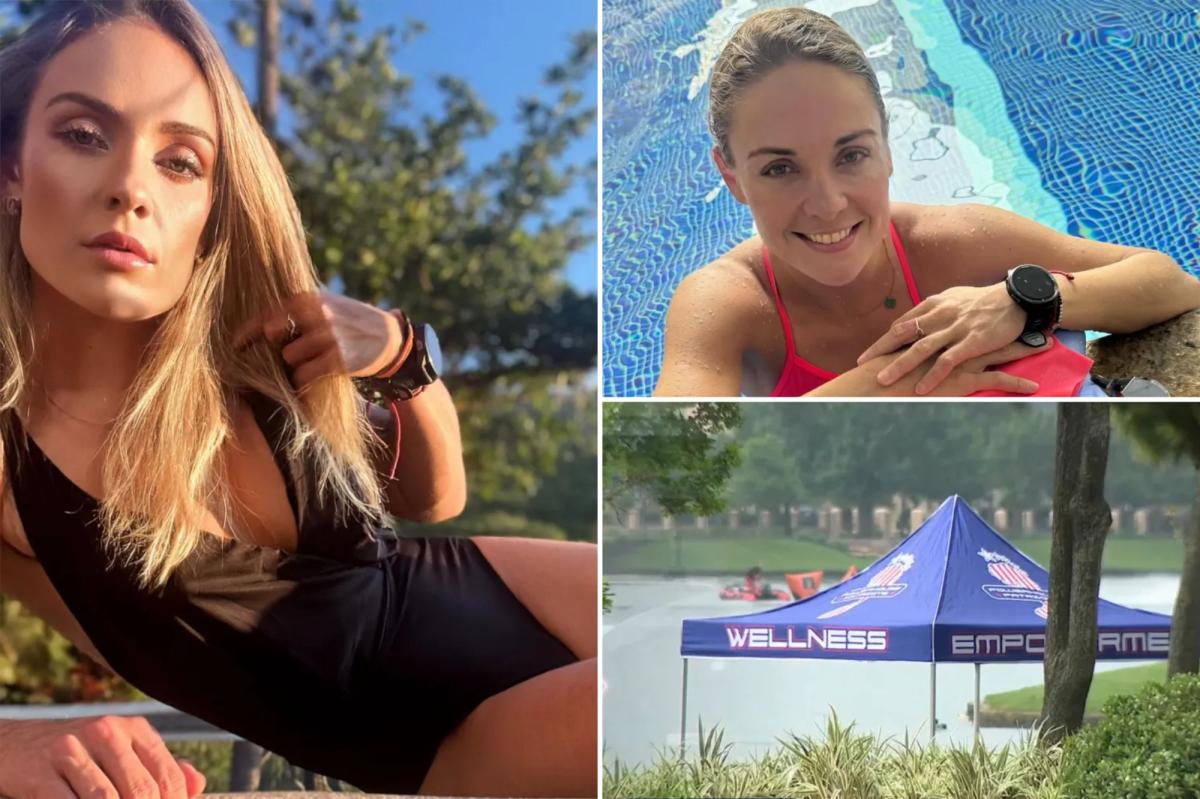
This incident, which occurred in Lake Woodlands, underscores the critical tension between preserving the competitive flow of a race and the imperative for rapid, decisive emergency intervention. Reports from the Montgomery County Sheriff’s Office and The Woodlands Fire Department confirm that the notification of a lost swimmer triggered an immediate deployment of specialized dive and boat rescue teams, yet the intrinsic environmental conditions posed substantial and often insurmountable challenges to these efforts.
Response Dynamics & Environmental Obstacles
Woodlands Fire Chief Palmer Buck noted that the active continuation of the race created an intrinsically difficult environment for search and rescue operations. The sustained presence of thousands of other competitors in the water, combined with technical limitations imposed by zero underwater visibility, necessitated a delicate and ethically fraught balance between managing event progression and prioritizing the search for the missing athlete.
The timeline provided by local authorities indicates that while rescue assets were on the scene within minutes of the initial notification, the recovery process was severely hindered by the physical environment of the lake. The eventual requirement for sonar technology to locate the victim at a depth of approximately 10 feet powerfully illustrates the fundamental limitations of human-centric visual monitoring and the critical reliance on advanced specialized equipment when standard search methods prove insufficient in complex open-water scenarios.
Strategic Risk Mitigation & Industry Accountability
For organizations like IRONMAN, such fatalities represent a critical nexus of safety protocol scrutiny, public relations management, and legal liability. The event organizer’s public statement, acknowledging the tragedy and emphasizing support for the family, reflects a standard institutional response aimed at crisis communication and reputational risk management following high-profile athletic casualties.
Beyond the immediate human impact, these incidents compel a rigorous re-evaluation of safety infrastructure across the mass-participation sports industry. The ability to effectively monitor, track, and locate individual participants in a large-scale, dynamic open-water environment remains a paramount concern for event coordinators, who must continually calibrate the scale and competitive integrity of the race against the uncompromising imperative of individual safety.
Operational Trade-offs in Crisis Response
The reliance on rapid-response teams within an actively unfolding race environment exposes a fundamental systemic vulnerability in the current model of endurance sports management. When a participant goes missing, the decision-making process regarding whether to pause or continue the race carries immense ethical and logistical weight, directly impacting both the safety of the search teams and the perceived integrity of the competition.
The technical challenges cited by local fire officials—specifically the complete absence of underwater visibility—suggest that even with meticulously planned emergency protocols, the physical environment can render standard safety measures ineffective. This reality necessitates a continuous, data-driven review of how race organizers deploy personnel, integrate advanced technology, and conduct proactive risk assessments to mitigate the inherent and complex dangers of long-distance, open-water swimming.
Amplified Scrutiny: Digital Influence & Event Reputation
The identification of the deceased as a prominent fitness influencer with a substantial social media following adds an intensified layer of public scrutiny to the event. In the contemporary sports landscape, the participation of high-profile digital creators often amplifies the visibility and perceived prestige of endurance events, yet it simultaneously heightens the reputational stakes and demands for transparency when tragedies occur.
The intersection of personal branding and professional-grade athletic competition creates a unique dynamic where audience expectation for safety and accountability is exceptionally high. While race organizers consistently maintain strict protocols for all participants, the public nature of an influencer’s life brings the intricate logistical realities and potential failures of the race into a broader, more critical, and highly visible spotlight.
Market Evolution & Best Practice Integration
The broader impact of such an event on the endurance sports market involves potential shifts in insurance premiums driven by revised risk assessment models, the tightening of safety regulations by governing bodies, and more rigorous participant vetting processes. As these events continue to grow in scale and complexity, the institutional pressure to demonstrate superior, verifiable safety standards becomes not just an ethical obligation but a critical competitive necessity for organizers.
The ongoing investigation into the circumstances of the death, currently being handled by local law enforcement, will undoubtedly serve as a crucial reference point for future safety audits and industry best practices. The findings from such comprehensive investigations are often instrumental in refining operational playbooks for future triathlons, ensuring that vital lessons learned are systematically integrated into the industry’s evolving safety standards and protocols.

Photo by eu5544 on Pixabay.