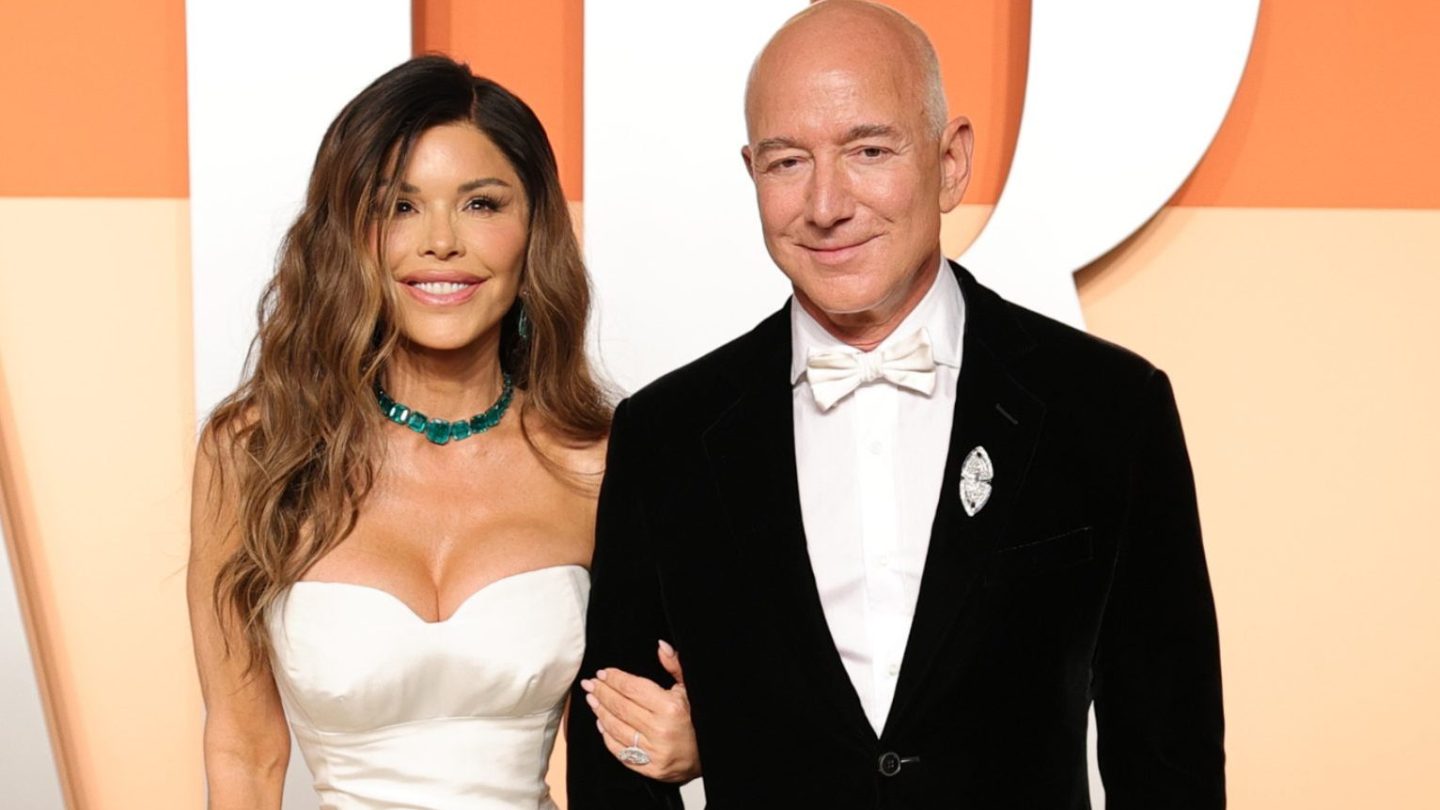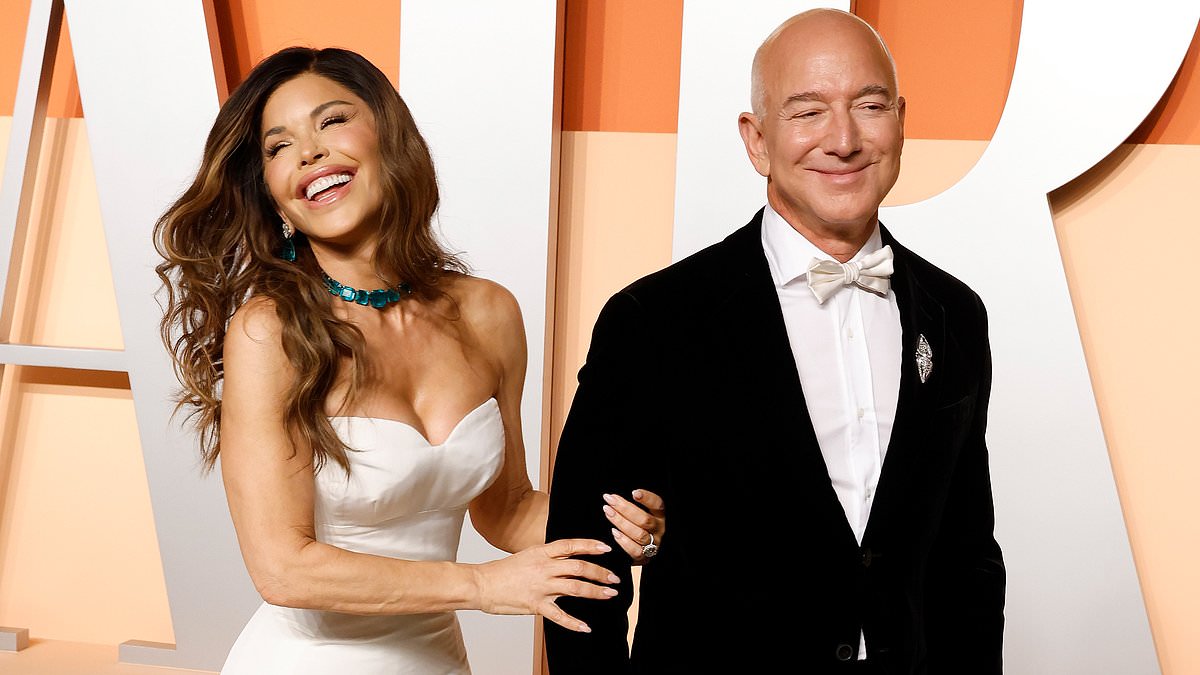
The 2026 Met Gala has evolved from a high-society fixture into a case study in institutional vulnerability. The decision to install Jeff Bezos and Lauren Sanchez as primary financial underwriters marks a fundamental departure from the event’s historical reliance on diversified corporate coalitions. This concentration of fiscal power places the Metropolitan Museum of Art’s brand directly in the path of the systemic critiques associated with the Amazon founder’s $224.2 billion net worth.
The Erosion of Curatorial Autonomy
By elevating Bezos and Sanchez to honorary chairs, the Costume Institute has traded symbolic capital for liquidity. This strategic alignment exposes the museum to ‘reputational contagion,’ where the controversies surrounding Amazon’s labor practices and market dominance begin to color the curatorial intent of the exhibition. The lack of transparency in early logistical announcements suggests a preemptive awareness of this friction, which has subsequently acted as a catalyst for organized dissent.
This shift signals the ‘Bezos-ification’ of cultural patronage, where individual billionaire influence supersedes traditional philanthropic distance. The museum now faces the challenge of maintaining its status as a neutral arbiter of art while operating under a funding model that many perceive as an exercise in social laundering.
Guerrilla Semantics: The Battle for the ‘Bezos Met Gala’ Narrative
A sophisticated underground movement is currently contesting the event’s branding. Utilizing guerrilla-style posters across Manhattan’s transit hubs, activists have successfully reframed the gala as the ‘Bezos Met Gala.’ By juxtaposing the high-fashion ‘Fashion is Art’ theme with stark critiques of warehouse labor conditions, the movement utilizes a dual-front media strategy to bypass institutional gatekeepers.
These tactical interventions force a direct competition between the event’s aspirational imagery and a reality-based discourse on wealth inequality. The proximity of these protests to the Metropolitan Museum of Art creates an unavoidable visual dissonance for the global media outlets tasked with covering the red carpet arrival on May 4.
Stakeholder Exposure and Guest List Volatilty
The sponsorship creates a unique friction for high-profile attendees such as Beyoncé and Rihanna. As the event becomes increasingly politicized, these cultural icons face a ‘guilt by association’ risk. The red carpet, traditionally a platform for brand optimization, is now a site of potential reputational liability where every photo is filtered through the lens of sponsor accountability.
Anna Wintour’s attempt to humanize the sponsorship—labeling Sanchez a ‘wonderful asset’—functions as a strategic pivot designed to redirect focus toward personal philanthropy. However, the efficacy of this narrative is limited by the scale of the backlash, suggesting a widening gap between institutional messaging and public sentiment regarding corporate ethics.
Logistical Escalation and the Future of Patronage
The operational demands for the May 4 event have shifted from standard celebrity management to high-stakes security mitigation. The threat of direct action near the museum’s perimeter necessitates a significant expansion of the security apparatus, likely funded by the very sponsorship causing the unrest. This creates a circular dependency where capital is deployed to insulate the institution from the consequences of its own fundraising choices.
Long-term, the 2026 controversy may force a diversification of the Met Gala’s funding streams. To protect the ‘halo effect’ of the Costume Institute, future organizers may move away from singular, highly visible billionaire patrons in favor of more decentralized models that mitigate concentrated reputational risk.