The Round of 16 fixture between England and Mexico has evolved into a significant case study in state-driven market intervention and labor volatility. The 01:00 BST kickoff represents a logistical paradox, forcing the UK government to reconcile public order with the immediate fiscal demands of the hospitality sector.
Regulatory Arbitrage and the Night-Time Economy
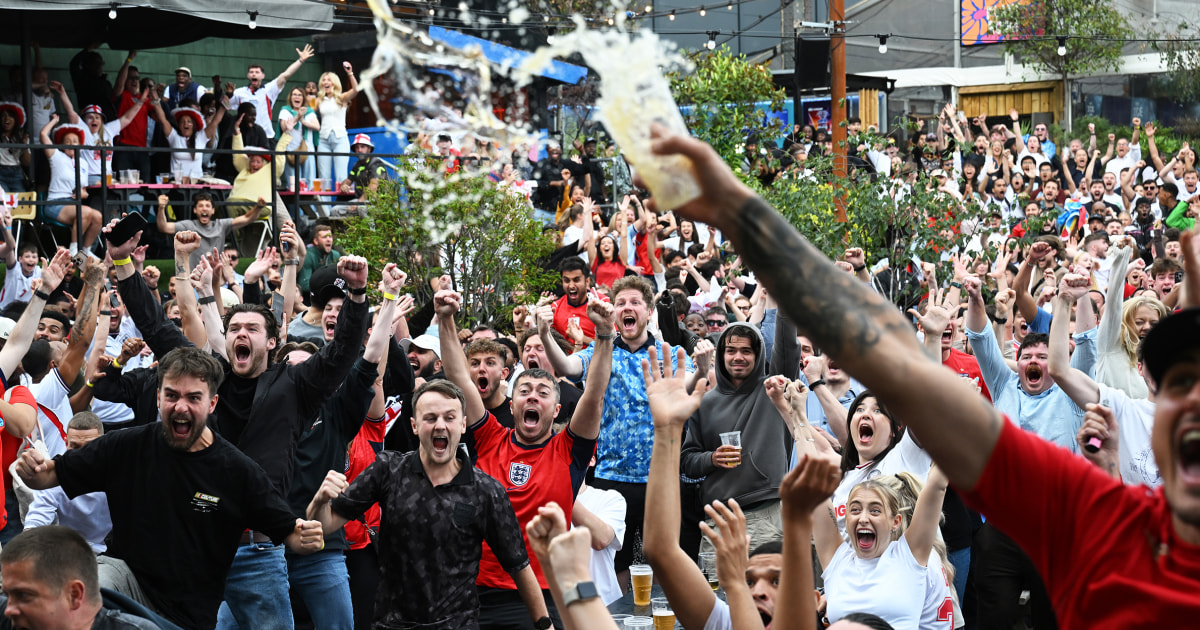
Outgoing Prime Minister Keir Starmer’s implementation of emergency statutory instruments to extend pub licensing until 05:00 BST reflects a strategic pivot toward the Night-Time Economy (NTE). By bypassing traditional local authority constraints, the state is actively facilitating a period of high-velocity consumption. This deregulation, championed by groups like the British Beer and Pub Association (BBPA), serves as a recovery mechanism for a sector facing systemic structural headwinds, effectively subsidizing the hospitality industry through extended operational windows.
The Economics of Absenteeism: Labor Market Friction
While the hospitality sector anticipates a revenue surge, the broader economy faces a significant productivity contraction. Projections indicate that 6.4% of the workforce—approximately 2.2 million employees—intend to utilize ‘sick days’ to circumvent the 01:00 kick-off. This localized shock to the labor market highlights a growing tension between cultural milestones and corporate attendance mandates. Research from tech firm Honor suggests that 70% of the population will experience acute sleep deprivation, leading to diminished cognitive performance and a measurable reduction in Gross Value Added (GVA) for the subsequent Monday morning.
Physiological Variables: The Azteca Altitude Factor
On the pitch, Thomas Tuchel’s squad transitions from the sea-level humidity of Atlanta to the hypoxic environment of Mexico City’s Azteca Stadium. This altitude-induced physiological strain represents a performance barrier that necessitates sophisticated medical and recovery protocols. Tuchel’s public request for ‘school excuses’ for children is a strategic narrative designed to build national psychological cohesion, framing the event as a generational touchstone that justifies temporary social and biological disruption.
The Commercialization of Circadian Health
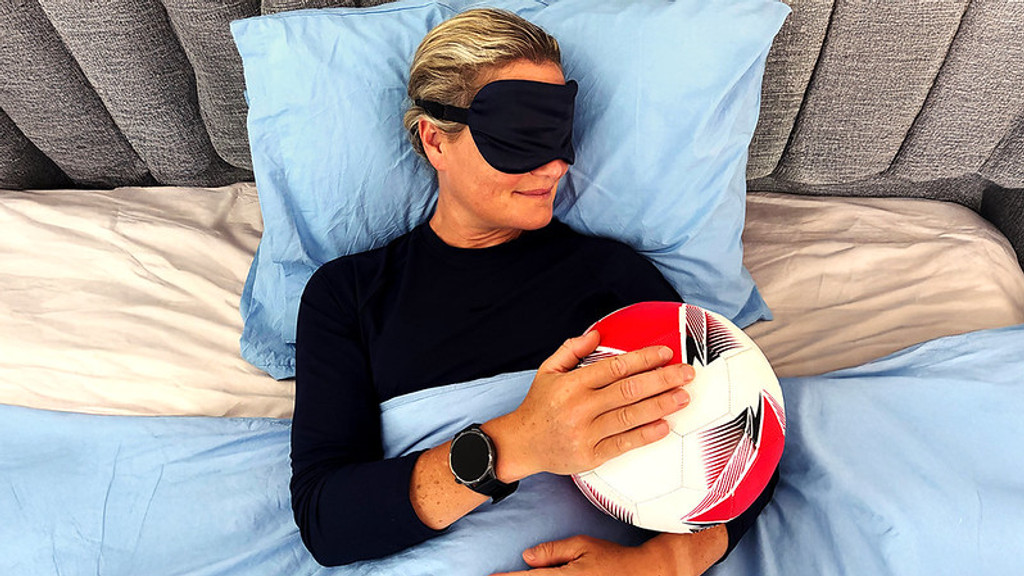
The intersection of sport and technology is underscored by the ‘Fan Cool Down’ initiative, a collaboration between Honor and sleep specialists. This data-driven response to post-match adrenaline spikes—which delay sleep onset by an average of 40 minutes—marks the professionalization of the fan experience. By analyzing the biological consequences of spectatorship, the industry is blurring the lines between sports science and consumer wellness, positioning hardware as a tool for managing the physiological fallout of the modern globalized sporting schedule.
Institutional Precedent and Global Scheduling
The lack of historical precedent for a 01:00 England fixture suggests a shifting hierarchy in global broadcasting rights, where FIFA’s commercial imperatives often clash with the domestic regulations of participating nations. This intervention sets a potential standard for future ‘event-based’ licensing frameworks, suggesting that the UK state is increasingly willing to adjust legal structures to accommodate the cultural and economic gravity of professional football.