Strategic Realignment in Los Angeles
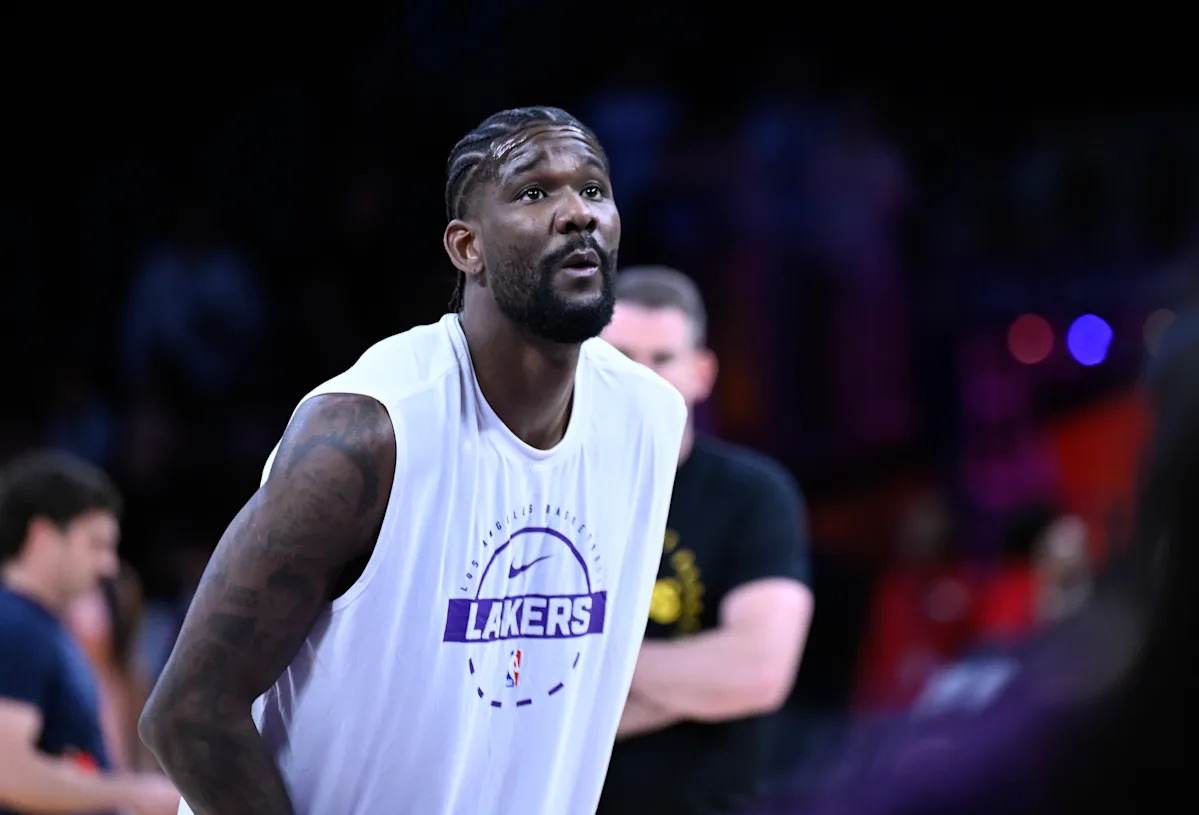
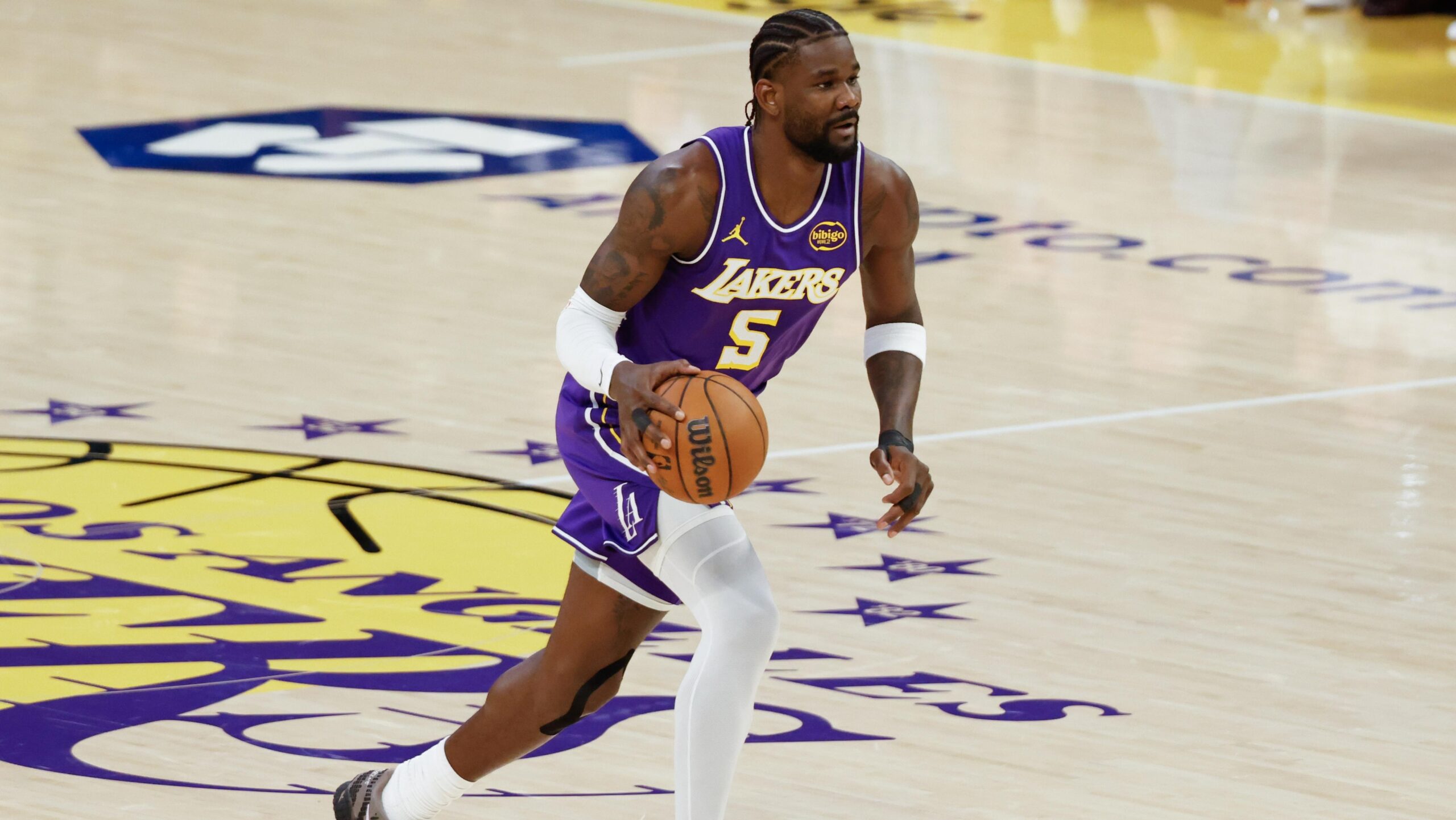
The Los Angeles Lakers have officially traded center Deandre Ayton to the Washington Wizards, receiving guard Jaden Hardy and two future second-round draft picks (2031 and 2032). This move arrives shortly after Ayton exercised his $8.1 million player option, serving as a tactical maneuver to clear frontcourt redundancy.
The trade signals a definitive shift in the Lakers’ roster construction. By offloading Ayton, the organization facilitates the integration of Walker Kessler, who recently secured a four-year, $130 million deal. This transition reflects a prioritized commitment to Kessler’s specific defensive profile and long-term salary cap structure.
Economic and Operational Catalysts
Ayton’s tenure in Los Angeles featured 72 games, with averages of 12.5 points, 8 rebounds, and 1 block. Despite a 60.4% field goal accuracy during the postseason series against the Houston Rockets, the front office viewed his role as secondary to the defensive anchor provided by Kessler and the supplementary depth added through Sandro Mamukelashvili. Rob Pelinka’s decision to move Ayton illustrates a preference for long-term contractual alignment over immediate continuity.
Competitive Implications
For the Washington Wizards, acquiring an eight-year veteran and former No. 1 overall pick provides a high-floor presence to stabilize their interior rotation during a rebuilding phase. Conversely, the Lakers gain backcourt versatility with Jaden Hardy. The acquisition of future draft assets preserves long-term trade leverage, allowing the organization to maintain flexibility while managing the significant capital tied to their starting lineup.
Institutional Decision-Making Trends
The sequence of replacing Ayton with Kessler underscores the high-stakes nature of modern NBA roster management. By securing Kessler before finalizing the Ayton departure, the front office mitigated positional risk. This calculated approach highlights a league-wide trend of prioritizing stylistic fit and cap efficiency, transitioning from established contributors to assets that better suit the team’s long-term tactical model.