Late-Season Lottery Implications Drive Bulls-Grizzlies Encounter
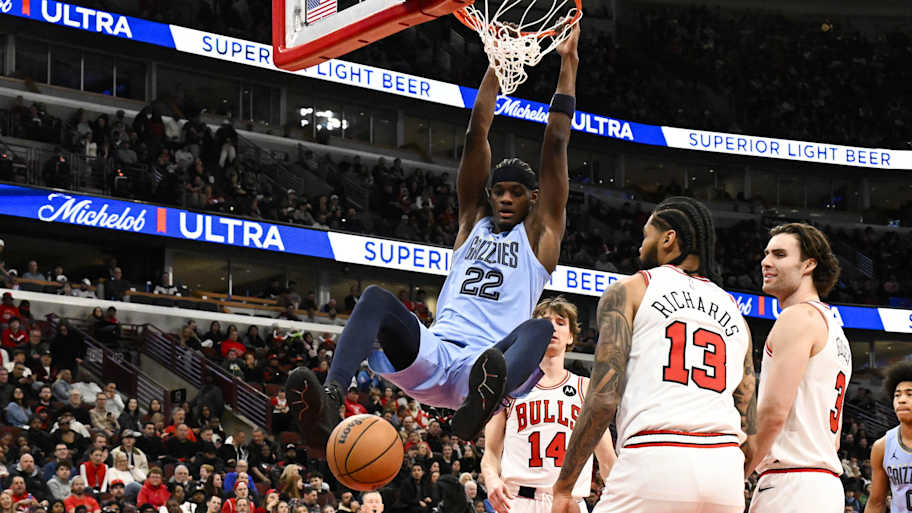
Eliminated from postseason contention, the Chicago Bulls and Memphis Grizzlies face off in a matchup where draft lottery positioning, not playoff advancement, is the primary stake. This late-season game highlights a common NBA dynamic: teams out of playoff contention pivot their objectives towards maximizing future assets.
Strategic Re-evaluation Post-Elimination
Chicago’s playoff elimination shifts organizational focus from immediate wins to long-term strategic planning, particularly concerning draft order. Previous wins, potentially extending their playoff hopes, underscore the complex trade-offs between present performance and future asset acquisition.
The Bulls’ extensive injury report, particularly affecting their frontcourt, may signal a de facto prioritization of player health and future draft positioning. This situation necessitates strategic re-evaluation, potentially indicating a move towards evaluating emerging talent or prioritizing load management, even without an explicit ‘tanking’ strategy.
Competitive Landscape and Lottery Odds Analysis
The Grizzlies, currently 12th in the Western Conference, are narrowly positioned relative to lottery odds, separated by a minimal win percentage differential from the 11th seed. Their standing, coupled with the seventh-worst record in the NBA, places them at a critical juncture where each remaining game significantly impacts their potential draft pick.
Conversely, the Bulls sit 12th in the Eastern Conference, half a game behind the 11th-seeded Milwaukee Bucks. While their position might seem more stable, they retain the opportunity to influence their draft slot, especially if the Bucks falter and Chicago secures fewer wins.
Historical Context and Inter-Conference Dynamics
This marks the second and final regular-season meeting between the Grizzlies and Bulls. Chicago won the initial matchup 132-107 on March 16. Historically, the Grizzlies lead the all-time series 34-26, with a 16-13 advantage in home games, indicating a competitive historical dynamic with a slight edge to Memphis at home.
The season series split suggests a closely contested historical dynamic, though the current season’s context is heavily influenced by injuries and divergent team statuses.
Player Performance and Injury Impact
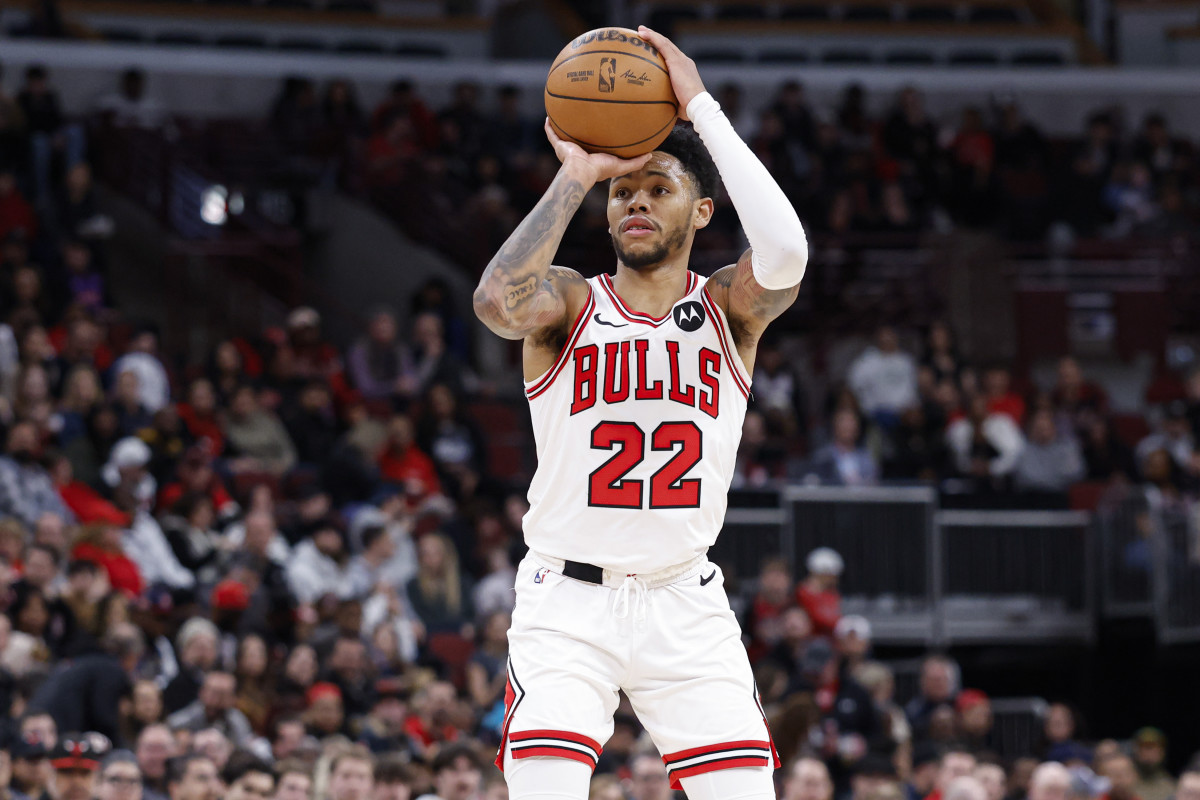
In their recent loss to the Oklahoma City Thunder, Tre Jones led the Bulls with 21 points, seven rebounds, and nine assists, while Collin Sexton added 22 points off the bench. These performances underscore the reliance on key players to carry the offensive load, particularly with depleted rosters.
The Memphis Grizzlies, in their recent home loss to the Houston Rockets, saw Olivier-Maxence Prosper score 31 points and grab seven rebounds, with Javon Small contributing 14 points, three rebounds, and five assists. These offensive outputs from less prominent players highlight the team’s efforts to find scoring options amidst significant personnel challenges.
Market Implications and Betting Lines
Betting lines and odds for this matchup reflect the perceived disparity in team strength, even considering mutual injury concerns. These lines often incorporate current team performance, historical trends, and the projected impact of absent key players on competitive balance.
Broadcasts on FanDuel Sports Network Southeast and Chicago Sports Network, alongside radio coverage on 92.9 FM ESPN Radio/680 AM in Memphis and 670 AM The Score/104.3 FM in Chicago, signify broadcast interest. Despite the lack of playoff implications, the game’s narrative is amplified by its relevance to league-wide talent distribution and future competitive landscapes.
Strategic Imperatives in a Rebuilding Phase
For the Bulls, remaining games offer opportunities to evaluate roster construction and coaching strategies against varied competition. Player absences, while impacting immediate wins, serve as a crucial testing ground for emerging talent and alternative tactical approaches.
The Grizzlies’ situation similarly demands assessing player development and identifying future core pieces. Their performance, even in losses, provides valuable data on player readiness and execution capabilities, informing future roster decisions and strategic investments.
The Role of Analytics in Lottery-Bound Teams
Teams like the Bulls and Grizzlies increasingly rely on advanced analytics for draft positioning and player evaluation. Data-driven insights help quantify player performance impact on team outcomes and project future potential, optimizing decisions regarding trades, draft picks, and player development.
Strategic decision-making involves balancing team morale and investor expectations with laying groundwork for future success. The outcomes of these games, while seemingly minor in a playoff context, can significantly impact draft order, player trajectories, and franchise competitive trajectories.
Media Narrative and Fan Engagement
The media narrative for these games shifts from playoff races to rebuilding, draft prospects, and strategic implications of late-season performance. This framing influences fan engagement, potentially pivoting interest towards future potential over immediate results.
Game broadcasts maintain audience engagement and fulfill contractual obligations. Commentary adapts to altered stakes, focusing on player development, strategic adjustments, and the broader context of league talent distribution and competitive cycles.
Institutional Strategy and Long-Term Vision
Organizational philosophies of both the Bulls and Grizzlies face scrutiny in these final games. Questions arise regarding commitment to a full rebuild, strategic retooling, or incremental improvement. Decisions from player rotations to injury management can signal broader strategic direction.
Financial implications are tied to long-term vision. While immediate revenue may be impacted by a lack of playoff contention, sustained success built through effective drafting and development can lead to greater long-term financial stability and fan loyalty.
Player Agency and Career Trajectories
For players on non-contending teams, these games offer chances to enhance individual market value, showcase skills, and influence future career trajectories. Strong performances can attract attention, leading to lucrative contracts or more significant roles.
Player performance pressure shifts. While team success is diminished, individual players may feel heightened responsibility to prove their worth, impacting personal financial and professional development.
League-Wide Competitive Balance
Outcomes of games involving lottery-bound teams directly influence league-wide competitive balance. Distribution of top draft picks can significantly alter franchise fortunes, potentially creating new powerhouses or accelerating rebuilding efforts.
The NBA’s parity-driven structure, emphasizing the draft and salary cap, ensures that even bottom-ranked teams have tangible incentives to compete for different prizes. This dynamic fuels league intrigue, as late-season matchups can have far-reaching consequences for the league’s hierarchy.
Operational Adjustments and Roster Management
Operational adjustments for teams like the Bulls and Grizzlies in the season’s latter stages involve meticulous roster management. This includes deciding on player rest, extended minutes for prospects, and managing the physical toll on consistently active players.
These decisions are informed by player health data, performance analytics, and the overarching strategic goal of optimizing draft positioning. Coaching staff and front offices must collaborate to align day-to-day decisions with long-term franchise objectives, navigating player fatigue and injury risks.
The Psychological Impact of Elimination
The psychological impact of playoff elimination on players and staff is significant. For aspiring contenders, failing to meet goals can alter motivation and team dynamics, manifesting as increased urgency or resignation.
Coaches face the challenge of maintaining competitive spirit and professional standards, even when the ultimate prize is out of reach. Their ability to motivate players and foster a positive environment during these periods reflects leadership and strategic acumen, influencing player retention and future recruitment.
Media Scrutiny and Franchise Reputation
Media focus on lottery-bound teams intensifies, scrutinizing front-office decisions, coaching strategies, and player performance. This can affect a franchise’s reputation and its ability to attract free agents and secure favorable trades.
Consistent underperformance or perceived mismanagement can create a negative perception. Conversely, a well-executed rebuilding process can generate positive buzz, positioning a franchise as a desirable destination for talent and underscoring the long-term reputational capital at stake.