Strategic Alignment: Truss, Trump, and Transatlantic Populism
Former British Prime Minister Liz Truss’s strategic visit to Donald Trump’s Mar-a-Lago club, culminating in a widely publicized photo, represents a calculated post-premiership maneuver. This engagement signals Truss’s deliberate intent to cultivate influence and re-establish her political relevance within a specific, transatlantic right-wing demographic.
Observers described the pursuit of this interaction as a “prize,” reflecting the significant investment of time and resources Truss committed to crossing the Atlantic. This effort underscores her urgency to leverage Trump’s considerable influence and dedicated base, aiming to bolster her own political standing and narrative after her brief, domestically challenging tenure as prime minister.
Her immediate public sharing of the photo on X, captioned “Right about everything,” served as an unequivocal endorsement and a clear signal of ideological alignment. This move was designed to integrate her into a potent, mobilized political force, amplifying her voice on the international stage, particularly among conservative and populist audiences.
However, the asymmetry in public acknowledgment—Truss’s prompt posting versus Trump’s focus on promoting his wife’s documentary—reveals a nuanced power dynamic. This suggests the encounter, while strategically critical for Truss’s repositioning, held a lower immediate priority within Trump’s broader public agenda.
Mar-a-Lago functions as a de facto political hub, uniquely facilitating high-profile yet informally structured meetings outside traditional diplomatic channels. Its role enables direct connections and strategic alignments for figures like Truss, consolidating influence within the burgeoning global populist movement and extending beyond a singular event to reflect a broader, sustained engagement with the US right.
This sustained cultivation of ties indicates Truss’s long-term strategic vision to remain a relevant voice in global conservative discourse, even after departing front-line British politics. Her actions demonstrate a deliberate pivot towards cementing an international profile aligned with a transnational populist agenda.
Ideological Reorientation: Shaping Transnational Populism
Following her departure from office, Liz Truss has demonstrably pivoted towards more extreme positions on the right of the Conservative party, a strategic ideological evolution designed to resonate with a burgeoning global populist movement. This shift forms the bedrock of her post-premiership political strategy, aiming to align her narrative with an international anti-establishment sentiment.
Her recurring appearances at the Conservative Political Action Conference (CPAC) in Maryland over the past two years exemplify this deliberate pivot. These conferences serve as critical platforms for Truss to articulate her revised political philosophy, forge alliances with like-minded international figures, and consolidate ideological movements, thereby influencing the broader conservative ecosystem.
At CPAC, Truss’s declaration that her own country was “failing” was a rhetorical device calculated to resonate deeply with a narrative prevalent among right-wing populists globally. This framing strategically positions her within a broader critique of established political systems, fostering alignment with shared anti-establishment convictions and amplifying her appeal to a transnational base.
Truss’s articulated intent for “deeper ties and cooperation” among global right-wing populists signifies a structural reorientation in international political networking. This trend indicates a move towards informal, ideologically driven alliances that transcend traditional national party lines, with profound implications for future policy debates and electoral dynamics across Western democracies.
Such transnational alignments foster coordinated efforts on issues ranging from economic policy to cultural values, directly challenging conventional geopolitical frameworks. For figures like Truss, these platforms offer an invaluable opportunity to shape discourse and build a constituency extending beyond national borders, solidifying her influence in the global conservative dialogue.
This embrace of populist platforms and rhetoric represents a significant departure from the more centrist positions typically associated with mainstream Conservative leadership. It underscores Truss’s recognition of populist narratives’ increasing sway in contemporary political landscapes, positioning her as a key voice within this evolving ideological current.
Strategic Media Engagement and Public Perception Dynamics
Liz Truss’s post-premiership strategy extends beyond direct political engagement to include a deliberate foray into new media, exemplified by the launch of her podcast. This initiative represents an attempt to establish an independent platform, bypassing traditional media filters to directly control her narrative and reach a targeted audience.
The podcast episode detailing her Palm Beach visit, following the Mar-a-Lago meeting, showcases an integrated media approach. This move aimed to capitalize on the high-profile interaction, driving initial engagement for her new content venture and leveraging the spotlight to build a direct communication channel.
However, the reported streaming figures of “735 times on YouTube” for this episode suggest a nascent stage in her digital outreach. While offering a direct channel, achieving substantial reach and impact within the saturated digital media landscape presents a significant and ongoing challenge.
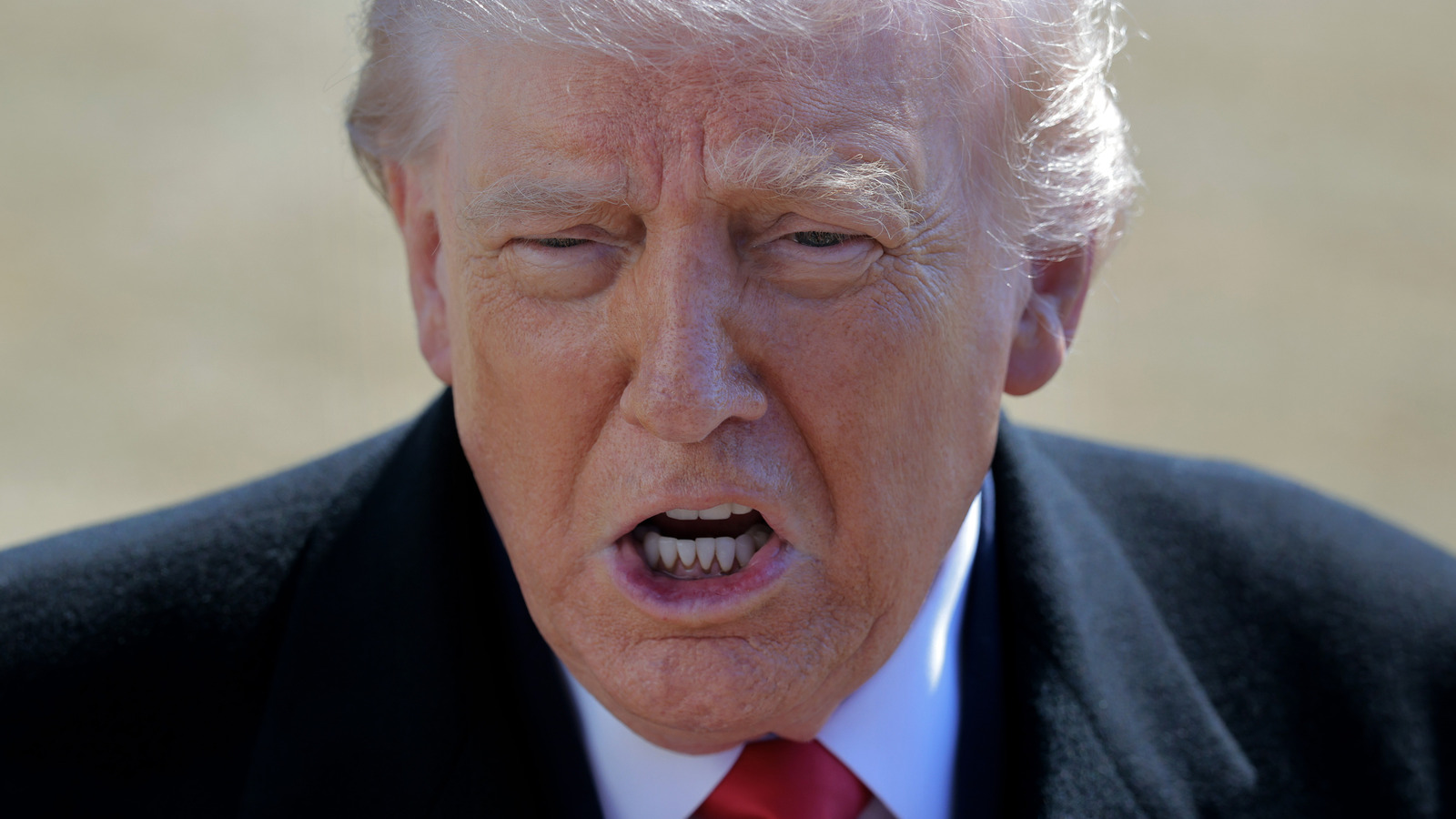
Beyond political commentary, the public reception to the photo itself drew considerable attention to Donald Trump’s appearance, specifically observations regarding his “makeup-free” look and “less orange than usual” complexion. This scrutiny highlights the intense media and public focus on political figures’ personal presentation, especially in less-controlled environments.
Such seemingly superficial details can significantly influence public perception, becoming integrated into broader narratives about a figure’s image, health, or even political messaging. The online commentary, which included both politicians being “roasted” about their age, reflects a pervasive aspect of contemporary digital media culture, where public figures face immediate and often unvarnished critique, impacting carefully constructed public personas.
The speculative mention within the source data, linking Trump’s appearance to a desire to “go incognito so people stop asking about the Epstein files,” underscores a critical aspect of contemporary media dynamics: the swift attachment of unsubstantiated claims and unrelated narratives to public figures, irrespective of factual basis. This phenomenon necessitates rigorous journalistic practice to distinguish between documented facts, public speculation, and explicit allegations.
Ultimately, the viral dissemination of the photo and its subsequent discussions—encompassing both political implications and personal observations—demonstrates the profound power of social media platforms like X. A single image can instantaneously trigger a cascade of commentary, significantly shaping public discourse and generating widespread, multifaceted attention.
Institutional Context and Strategic Political Rehabilitation
Liz Truss’s historically brief tenure as Britain’s prime minister profoundly shapes her current strategic choices and perceived legitimacy. This unique historical context provides a powerful impetus for her to aggressively seek new avenues of influence, aiming to redefine her political legacy and regain prominence.
Her alignment with a prominent international figure like Donald Trump, who commands a significant and loyal base, offers a crucial pathway for political rehabilitation. This strategy allows Truss to project an image of sustained relevance and access to influential transatlantic networks, mitigating the impact of her domestic political setbacks.
However, this strategic embrace of Trump carries inherent risks, given his controversial standing and the potential for alienating more moderate elements within her former party or the broader electorate. The decision reflects a calculated risk-benefit analysis, where the perceived rewards of amplified global influence are deemed to outweigh these reputational exposures.
This event also underscores a broader trend of former heads of government leveraging their experience and name recognition to pursue influence outside traditional party structures, engaging in think tanks, media, or international movements. For Truss, this involves not only cultivating a new international political base but also establishing an independent media presence through her podcast, a dual approach designed to maximize reach and narrative control in the digital age.
The institutional implications extend to the very nature of international political engagement. When former national leaders forge alliances with foreign political movements, it establishes informal diplomatic channels and influences foreign policy discourse beyond official governmental structures. This can introduce complexities for current administrations, as former leaders may articulate positions or endorse alliances that diverge from official state policy, highlighting the enduring, often disruptive, influence of individual figures.
The description of Truss as an “increasingly marginal figure” in British politics provides a critical backdrop for her current actions. Her vigorous efforts to forge transatlantic ties and engage with the global right represent a direct, strategic response to this perceived marginalization, aiming to demonstrate continued relevance and access to power on a global scale, thereby challenging narratives of her diminished political standing.
This phenomenon necessitates that political parties and established institutions adapt to a landscape where individual branding and transnational ideological alignment increasingly overshadow traditional party loyalty. It demands a re-evaluation of how political capital is accumulated, deployed, and perceived in a globalized political arena. While not explicitly detailed, the pursuit of such high-profile connections implicitly involves financial considerations, potentially leading to future opportunities in speaking engagements, advisory roles, or media ventures that contribute to a post-political career economy.
Ultimately, the Mar-a-Lago meeting between Liz Truss and Donald Trump transcends a mere photo-op. It represents a complex interplay of strategic post-premiership positioning, deep ideological alignment within the global right, sophisticated media management, and the ongoing evolution of political influence in a globalized, digital era. It profoundly illustrates the adaptive strategies employed by political figures to maintain relevance, reshape legacies, and influence discourse beyond conventional governmental roles.