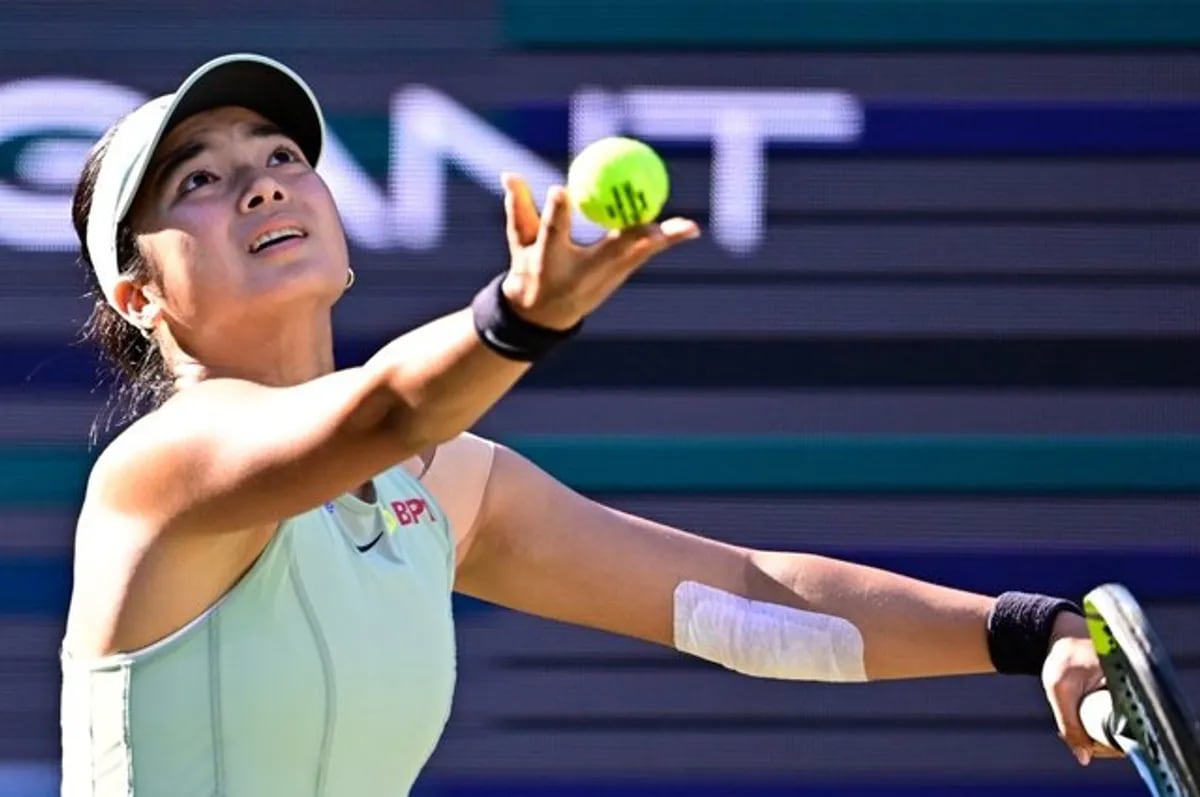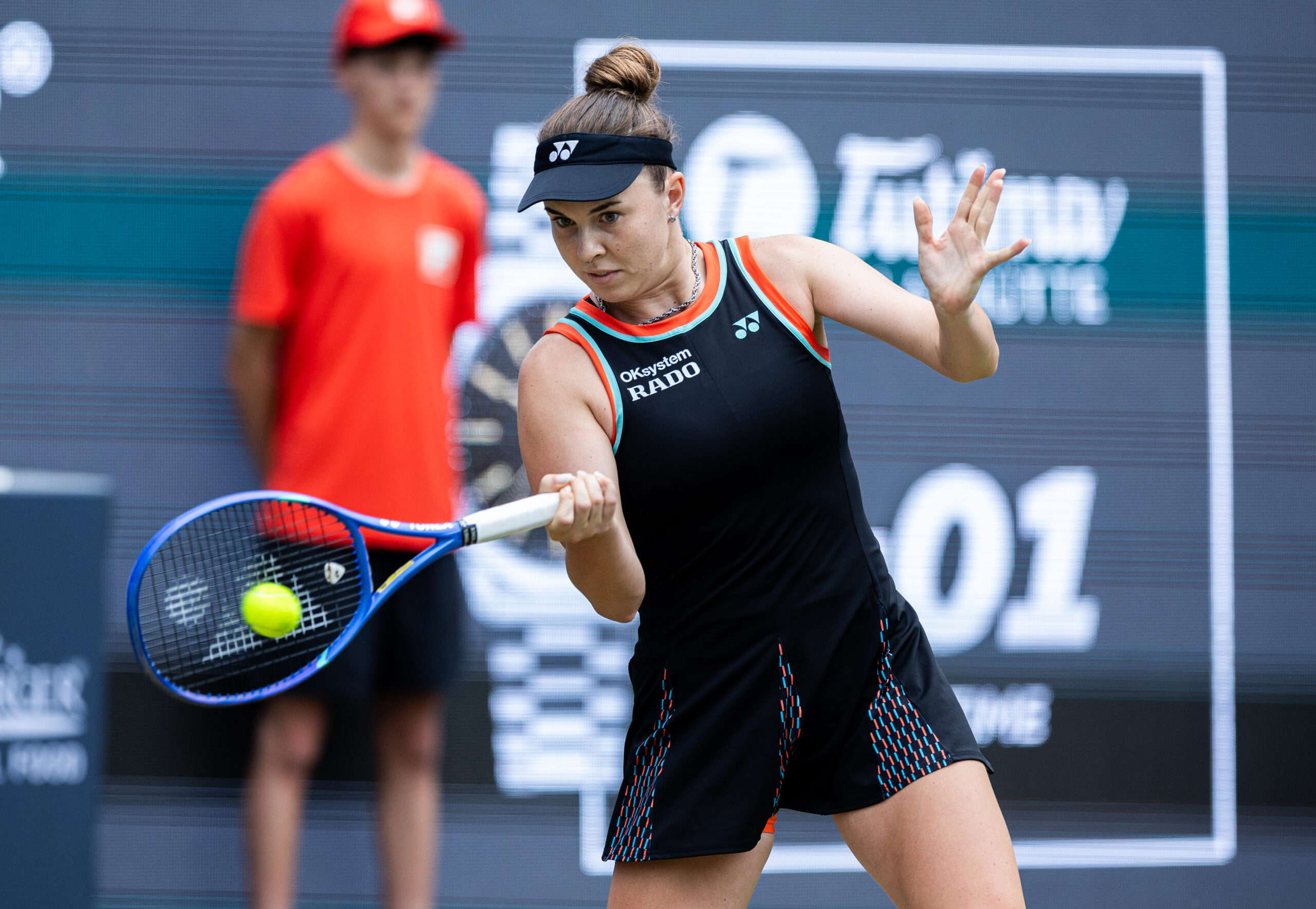
Linda Nosková’s semifinal triumph over Alexandra Eala at the Berlin Open transcends a simple bracket advancement, signaling a high-ceiling transition to grass-court play. By securing a 6-2, 6-4 victory in 69 minutes, Nosková demonstrated an operational efficiency that preserves physiological capital for the championship round. This performance highlights a maturation in her tactical application, specifically her ability to calibrate baseline firepower to the low-bounce, high-velocity requirements of the Berlin surface.
Reaching her seventh career WTA final—and her first on grass—validates Nosková’s technical versatility. Her ability to dictate play with a 2-0 head-to-head record against Eala suggests a growing psychological and stylistic dominance over her peers. While Eala’s progress is evident—claiming six games compared to only two in their previous meeting at Indian Wells—Nosková’s ‘flow state’ remains the tournament’s primary differentiator. This cognitive state allows for seamless technical execution under pressure, significantly reducing the unforced error count that often plagues aggressive baseliners on grass.
The match also served as a case study in professional resilience. A rain-induced hiatus at the start of play failed to disrupt Nosková’s momentum, confirming a robust mental framework capable of neutralizing external logistical volatility. This capacity to maintain high-intensity output immediately following a delay is a hallmark of elite-tier competitors. Furthermore, the win-rate consistency observed—with Nosková yet to drop a set in four matches—positions her as a statistical outlier heading into the final.
Strategically, the ‘firepower’ identified in Nosková’s game acts as a force multiplier on grass. Her serve and deep groundstrokes force defensive compromises that are physically taxing to recover from on this surface. For Eala, despite the exit, the run solidifies her viability on fast courts and her commercial status in the Southeast Asian market. However, the current hierarchy remains clear: Nosková’s repeatable formula for dismantling opponents, evidenced by near-identical match durations in the quarterfinals and semifinals, establishes her as the definitive favorite for the title.