Hydrostatic Instability and Volumetric Overloading
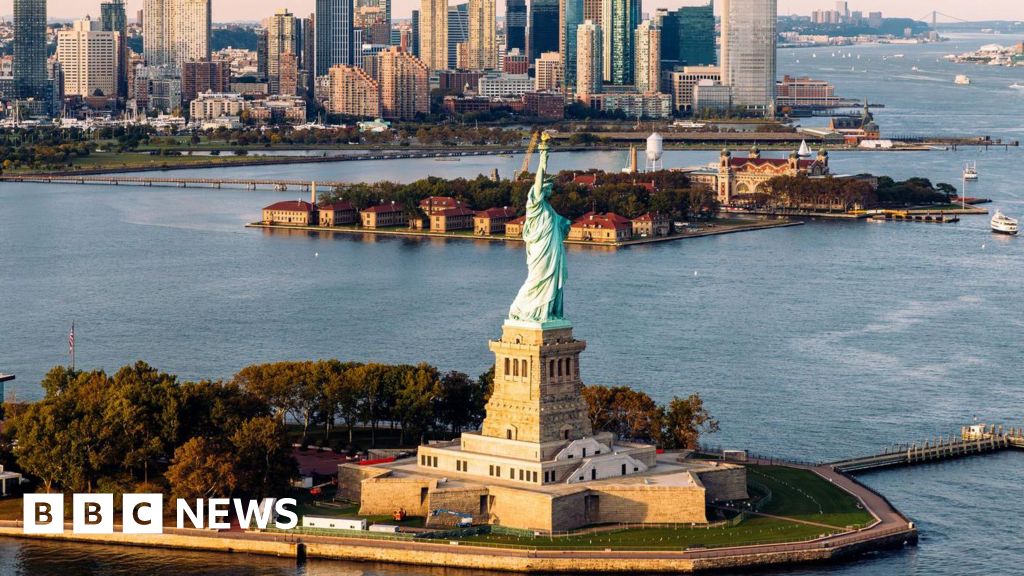
The capsizing of the 22-foot Bayliner near Liberty Island serves as a grim demonstration of hydrostatic failure. Carrying 14 passengers—nearly triple the typical safe occupancy for a vessel of this class—the craft’s freeboard was critically diminished. In the turbulent waters of New York Harbor, where commercial wakes and tidal surges provide constant external force, such volumetric overloading shifts the center of gravity and renders the vessel incapable of self-righting during a roll.
Operating at 10:20 p.m. added a layer of environmental hazard. Nighttime navigation requires heightened spatial awareness, yet the operator’s decision to overload the vessel suggests a fundamental disregard for the physics of buoyancy. The subsequent entry of water over the gunwales likely triggered the ‘free surface effect,’ where shifting internal water weight causes a rapid, unrecoverable capsize.
The Grey Market: Economics of Uninspected Passenger Vessels
The U.S. Coast Guard (USCG) investigation into potential illegal chartering highlights the ‘grey market’ economy of New York’s waterways. By operating as an Uninspected Passenger Vessel (UPV) while engaging in commercial-style excursions, operators bypass Title 46 of the U.S. Code. This allows for the avoidance of mandatory safety inspections, federal licensing fees, and high-premium commercial insurance.
This incident illustrates how risk is externalized; the operator captures the financial benefit of the excursion while the passengers—often unaware of the vessel’s non-compliance—bear the safety burden. The involvement of the Coast Guard Investigative Service (CGIS) signals a move to address this not as a localized accident, but as a systemic violation of federal safety-of-life-at-sea (SOLAS) standards.
Federal Jurisdictional Shift and Prosecution
The transfer of operator Manuel Hernandez to federal custody signifies a transition from state-level reckless endangerment to federal maritime statutes. While the NYPD filed 13 counts of reckless endangerment, federal authorities may look toward the Seaman’s Manslaughter Statute (18 U.S.C. § 1115), which carries significant penalties for deaths resulting from misconduct or negligence on navigable waters.
Federal oversight in New York Harbor ensures that regulatory breaches involving vessel documentation and maritime safety are prosecuted with higher severity than standard state misdemeanors. This dual-track legal strategy serves as a deterrent to the proliferation of unauthorized peer-to-peer boat rentals that have surged via digital booking platforms.
Interagency Interoperability and First Response
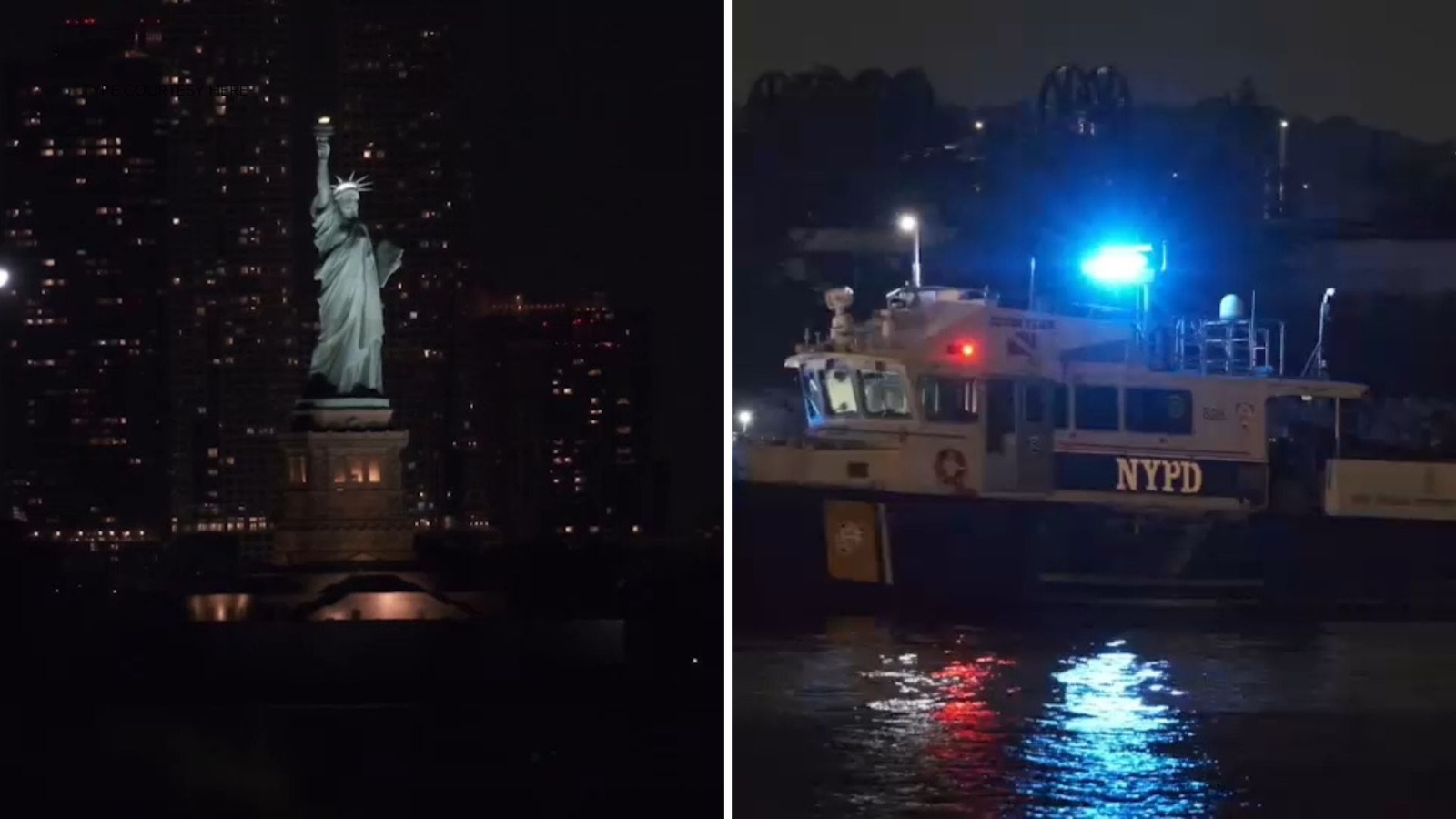
The emergency response—utilizing FDNY, NYPD Harbor, and USCG assets—underscores the complexity of urban maritime SAR (Search and Rescue). The recovery of 11 survivors by the private operator ‘Sea the City’ reaffirms the ‘Good Samaritan’ doctrine’s necessity in high-traffic corridors where private assets often arrive before official divers or aviation units.
Despite the rapid response, the deaths of Sara Sanchez and Antonella Garcia highlight the narrow physiological window for survival in nighttime maritime incidents. The logistical friction of locating victims within a submerged hull in dark, moving water remains a critical challenge even for the most well-equipped harbor units.
Systemic Impact on the Charter Industry
This tragedy is expected to trigger a regional enforcement surge against illegal charters. Legitimate operators, who incur high overhead costs to remain compliant with USCG standards, face unfair competition from ‘grey market’ actors. Increased boarding operations and stricter credential verification are the likely institutional responses to restore confidence in the harbor’s tourism sector.
Ultimately, the Liberty Island incident serves as a catalyst for legislative or regulatory review regarding small-craft occupancy enforcement. The investigation’s findings will likely become a benchmark for how municipal and federal agencies coordinate to mitigate the risks posed by unauthorized commercial operations in national waterways.