Lawsuit Claims Reality TV Crew Orchestrated Arrest
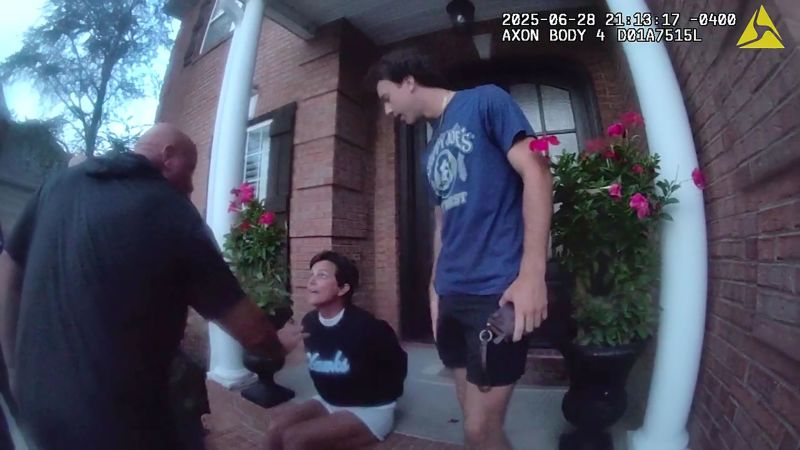
Donna Dillon alleges her arrest on a three-year-old misdemeanor charge, previously dismissed, was a staged event for the REELZ reality television program “On Patrol: Live.” Filed against the Knox County Sheriff’s Department, the lawsuit contends that law enforcement facilitated the filming of her detention for entertainment, rather than for procedural justice.
The incident, which occurred in June 2025, involved approximately ten officers and a cameraman at Dillon’s residence. Body camera footage reportedly captures Dillon expressing concern for her son before realizing she was the arrest target, a situation she claims was exacerbated by the film crew’s presence.
Dillon’s suit details allegations of excessive force and deputies’ alleged insensitivity to her recovery from shoulder replacement surgery. She was reportedly handcuffed in front of her 17-year-old son, an experience that allegedly led to physical symptoms and persistent pain, underscoring the personal impact of the alleged staged event.
Strategic Implications of Law Enforcement Media Partnerships
This lawsuit highlights a critical tension between law enforcement’s public engagement strategies and the ethical considerations of reality television production. The Knox County Sheriff’s Department’s participation in “On Patrol: Live” suggests a strategic intent for transparency or public relations, yet the allegations point to a potential miscalculation of risk and public perception.
The case raises questions about the due diligence undertaken by law enforcement agencies when partnering with media entities that profit from dramatized real-life events. Show incentive structures often prioritize compelling narratives, potentially pressuring participating departments to prioritize spectacle over procedural integrity, thus exposing them to legal and reputational damage.
The Sheriff’s Department’s announcement to cease participation in the show shortly before the lawsuit filing is noteworthy. While no explicit reason was given, this abrupt decision may signal an internal acknowledgment of collaboration risks or a response to mounting external scrutiny, altering the department’s public interaction strategy.
Incentives and Risk Allocation in Law Enforcement Media Engagements
Dillon’s claim asserts her arrest was “made for TV,” implying a deviation from standard policing to accommodate a media narrative. This suggests an incentive for officers to engage in visually dramatic actions, potentially compromising due process or individual dignity when aware of filming.
Law enforcement agencies’ financial and reputational incentives for participating in such programs are often tied to increased public visibility and perceived community engagement. However, the lawsuit underscores the significant risk of reputational damage and legal liability when these partnerships are perceived as exploitative.
The distribution of risk is complex. While the media company profits from content and the department gains visibility, the individual subject of an arrest bears the brunt of potential indignities and legal challenges, as exemplified by Dillon’s experience.
Sector-Wide Ramifications for Law Enforcement Media Engagement
The allegations in this lawsuit could have broader implications for how law enforcement agencies across the United States engage with reality television and other media productions. Increased public awareness of potential staging or exploitation may lead to greater skepticism and demand for stricter oversight of such collaborations.
This case may prompt other law enforcement departments to re-evaluate their participation in similar programs, weighing public exposure benefits against potential legal entanglements and damage to community trust. The Knox County Sheriff’s Department’s withdrawal serves as a sector-wide signal, irrespective of the stated reason.
Furthermore, it could influence operational protocols and ethical guidelines governing the filming of arrests and other law enforcement activities. A more robust framework may be necessary to ensure that the pursuit of compelling content does not compromise the fundamental rights and dignity of individuals within the justice system.
Downstream Effects on Public Perception and Trust
The narrative presented in Dillon’s lawsuit, if substantiated, could erode public trust in both law enforcement and media portrayals of policing. The perception that arrests can be manufactured for entertainment undermines the legitimacy of police actions and the integrity of journalistic endeavors.
This erosion of trust can have tangible consequences, including decreased public cooperation in investigations and heightened suspicion towards official narratives. The strategic imperative for law enforcement to maintain public confidence makes such allegations particularly damaging.
The media landscape is also exposed. The credibility of reality television programs featuring law enforcement is questioned, potentially impacting viewership and advertising revenue if audiences perceive a lack of authenticity or ethical compromise. This may lead to increased scrutiny from media watchdogs and regulatory bodies.
Institutional Response and Future Policy Considerations
The lawsuit against the Knox County Sheriff’s Department is likely to prompt a review of policies and agreements governing law enforcement-media collaborations. Institutions may need to develop clearer guidelines on consent, filming scope, and sensitive situation handling to prevent similar incidents.
The legal proceedings will establish a precedent, potentially influencing how future cases involving alleged staged arrests for media purposes are adjudicated. This could lead to greater accountability for both law enforcement agencies and production companies.
Ultimately, the case may catalyze a broader discussion on the ethical boundaries of reality television and the responsibilities of public institutions engaging with the entertainment industry. The long-term impact will depend on legal outcomes and subsequent adjustments in institutional practices and industry standards.