Busch Requests Medical Aid Post-Watkins Glen Race
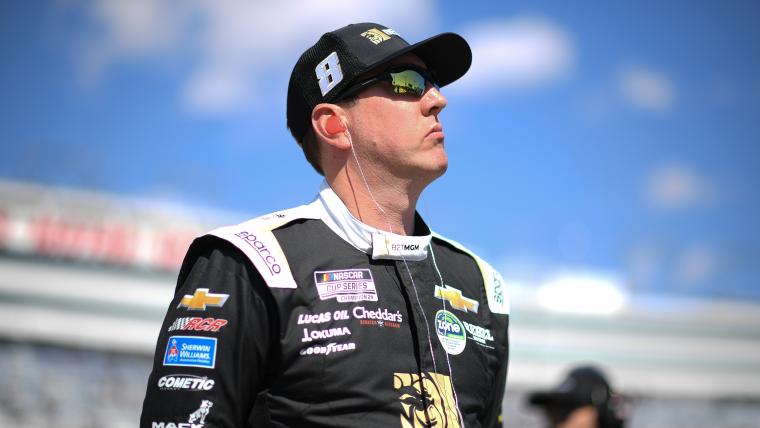
Kyle Busch, driver of the No. 8 Chevrolet for Richard Childress Racing, sought medical assistance immediately after the conclusion of the Go Bowling at The Glen NASCAR Cup Series race at Watkins Glen International. The driver communicated over team radio, requesting a doctor and indicating a need for a potential injection. This urgent request signals a health concern that arose during or directly after the demanding event.
Sources indicate Busch had been experiencing symptoms consistent with a “sinus cold” throughout the race week. The decision to seek medical intervention post-race, despite completing the event and securing an eighth-place finish, shifts focus from his competitive result to his immediate physical well-being.
Performance, Health, and Strategic Imperatives
Busch’s need for medical attention, even after a strong points-paying finish, presents a critical juncture for Richard Childress Racing (RCR) and its partners. The requirement for a doctor and potential injection suggests an issue impacting his physical capacity, necessitating an assessment of its severity and potential effect on future performance and training.
This situation underscores the extreme physical demands of professional motorsports and the delicate balance drivers maintain between peak performance and personal health management. For RCR and its sponsors, a thorough evaluation of Busch’s condition is paramount to ensure his readiness for subsequent races and to address any potential long-term health risks impacting his career.
Stakeholder Risk and Incentive Landscape
Key stakeholders – Busch, his team, sponsors, and NASCAR – face distinct risks and incentives. Busch’s primary incentive is a swift recovery to maintain his competitive edge. Conversely, his team and sponsors face financial and reputational risks if his compromised health leads to missed races or diminished performance. Their investment is tied to his consistent presence and capability on track.
NASCAR, as the sport’s governing body, has an inherent incentive to ensure driver safety and well-being. Recurring health issues among top-tier drivers can affect fan engagement and the sport’s integrity. Consequently, NASCAR’s established medical protocols and oversight are implicitly tested, requiring transparent management and effective support to maintain stakeholder confidence.
Team and Sponsor Strategy in Health Scrutiny
RCR’s strategic focus must now encompass Busch’s immediate medical needs alongside the ongoing demands of a competitive Cup Series season. This requires facilitating his care while developing contingency plans should his condition necessitate extended recovery time. The team’s operational continuity and competitive standing are directly contingent on Busch’s ability to perform consistently.
Sponsors, whose brand visibility is closely linked to Busch and the No. 8 car, will closely monitor developments. Their return on investment is directly impacted by driver availability and performance. Proactive communication and a transparent approach from RCR are crucial to manage sponsor expectations and mitigate potential brand exposure risks stemming from health-related absences.
Industry-Wide Health Management and Performance Leverage
The incident involving Kyle Busch highlights a broader trend in elite motorsports: the intense scrutiny of athletes’ physical and mental resilience. The high-G forces, rigorous schedules, and competitive pressures of the NASCAR Cup Series place significant physiological stress on drivers, making comprehensive health management a critical factor for sustained success.
This event serves as a potent reminder of the performance advantages gained by drivers and teams prioritizing robust health and wellness programs. Beyond immediate race outcomes, a driver’s consistent peak performance is intrinsically linked to their overall physical condition, influencing crucial elements like reaction times and endurance throughout grueling race formats.
Downstream Effects: Media and Fan Engagement
The media narrative surrounding Busch’s medical request swiftly transitioned from race results to his health status, illustrating the intense public and journalistic scrutiny high-profile athletes endure. This amplified attention places pressure on all involved parties to provide timely and accurate updates.
Fan engagement is a significant downstream effect. Spectators are invested in their favorite drivers’ well-being, and health concerns generate widespread discussion across social media and fan forums, potentially influencing brand perception and the sport’s overall atmosphere.
Institutional Response and Future Preparedness
Within NASCAR’s institutional framework, incidents like these prompt reviews of existing medical protocols and driver support systems. The organization is committed to maintaining high standards of athlete care, ensuring prompt and effective medical assistance. This event may lead to internal evaluations of current provisions and potential enhancements to driver support infrastructure.
The long-term implications for Busch’s career depend on the nature and severity of his condition. However, the incident provides valuable data for the sport, reinforcing the importance of proactive health monitoring and robust medical infrastructure. It also underscores the competitive advantage derived from drivers maintaining peak physical condition, a factor that will continue to shape team strategies and athlete development across NASCAR.