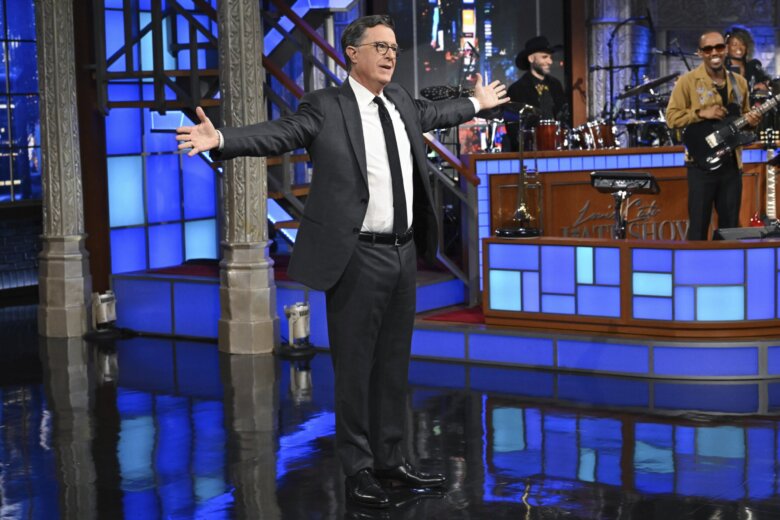
The termination of Stephen Colbert’s tenure on The Late Show, effective May 21, 2026, represents a definitive institutional retreat from the high-overhead linear broadcast model. While Colbert maintained a dominant ratings position, CBS’s decision to dissolve a 33-year production lineage at the Ed Sullivan Theater underscores a macro-economic shift where viewership dominance no longer ensures immunity from corporate austerity. This pivot signals that the traditional late-night format—characterized by high production values and centralized New York operations—is undergoing a forced evolution toward lower-risk, multi-platform distribution.
Fiscal Imperatives vs. Cultural Capital
The conclusion of the Colbert era is primarily driven by a reassessment of the 11:35 PM time slot’s ROI. The maintenance of a historic Broadway venue, coupled with a premium writing staff and a full house band, has reached a point of diminishing marginal returns amidst a broader contraction in linear advertising revenue. By prioritizing fiscal liquidity over cultural capital, CBS is anticipating a future where the prestige of a flagship late-night program cannot offset the operational costs of its legacy infrastructure. This transition suggests a move toward a leaner, potentially syndicated or streaming-first model designed for the Paramount+ ecosystem.
Internal friction regarding this shift was evidenced by George Cheeks, CBS’s head of entertainment, who reportedly characterized the logistical handling of the exit as sub-optimal. This admission highlights the tension between creative legacy and the fiscal mandates imposed by parent-level corporate governance. The May 2026 deadline facilitates a clean exit during the sweeps period, allowing the network to manage reputational fallout while meeting strict budgetary milestones.
The Strike Force 5 Alliance: Brand Equity Protection
The final weeks of production will feature an unprecedented convergence of rival hosts, including Jimmy Kimmel, Jimmy Fallon, Seth Meyers, and John Oliver. This mobilization, an extension of the ‘Strike Force 5’ alliance, represents a strategic shift from the ‘Late Night Wars’ of the 1990s toward a model of mutual brand protection. By appearing collectively on Colbert’s stage, these hosts are reinforcing the relevance of their fraternity in a fragmented media market. This alliance serves as a defensive maneuver against the perceived obsolescence of the format, signaling to advertisers that late-night talent remains a unified, influential block despite individual network retrenchment.
Jimmy Kimmel’s characterization of the cancellation as a ‘hell of an Emmy campaign’ reflects the industry’s cynical consensus: the show’s end is a casualty of economic volatility, not creative exhaustion. This perspective aligns the talent pool against the fiscal unpredictability of modern network management, framing the termination as a macro-environmental outcome rather than a performance-based failure.
Legacy Sunset and Operational Consequences
The return of David Letterman during the finale provides a symbolic bookend to three decades of CBS late-night dominance. Letterman’s presence validates Colbert’s contribution while simultaneously marking the sunset of the high-prestige era they both defined. Beyond the symbolic, the closure of the show has immediate labor implications for the New York production sector. The dissolution of the Late Show staff creates a localized economic contraction, removing a vital platform for Broadway promotion and high-level political discourse that shorter-form digital content cannot easily replicate.
The future of the Ed Sullivan Theater remains the most significant unresolved capital asset in this transition. As a landmark location with substantial upkeep costs, its vacancy forces CBS to choose between a lower-cost programming replacement or a total divestment from the site. This choice will ultimately signal whether CBS intends to remain in the late-night business or if it is fully pivoting away from the 11:35 PM tradition to favor scalable, platform-agnostic content.