Kershaw’s Strategic Reintegration: Beyond Symbolism to Operational Impact
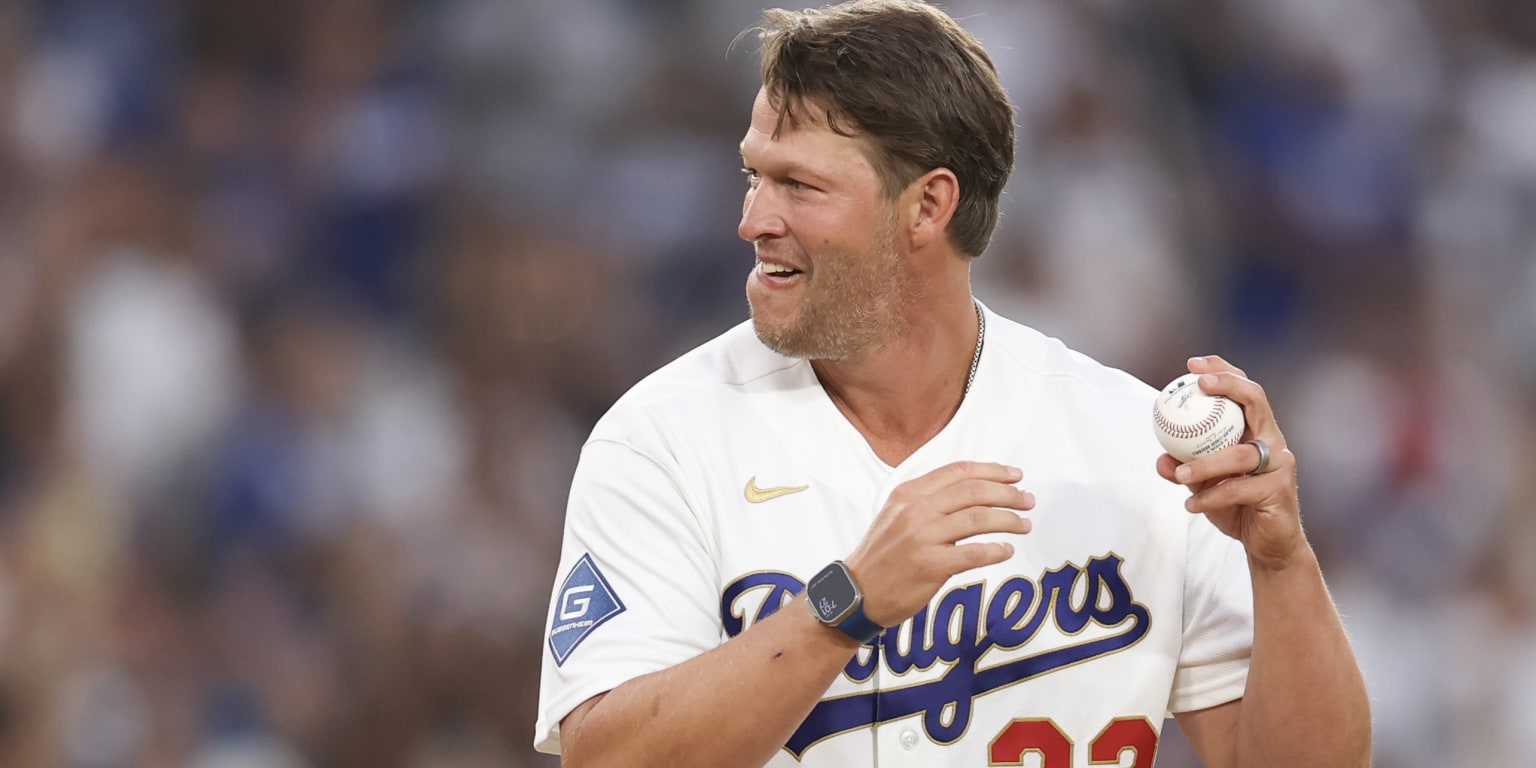
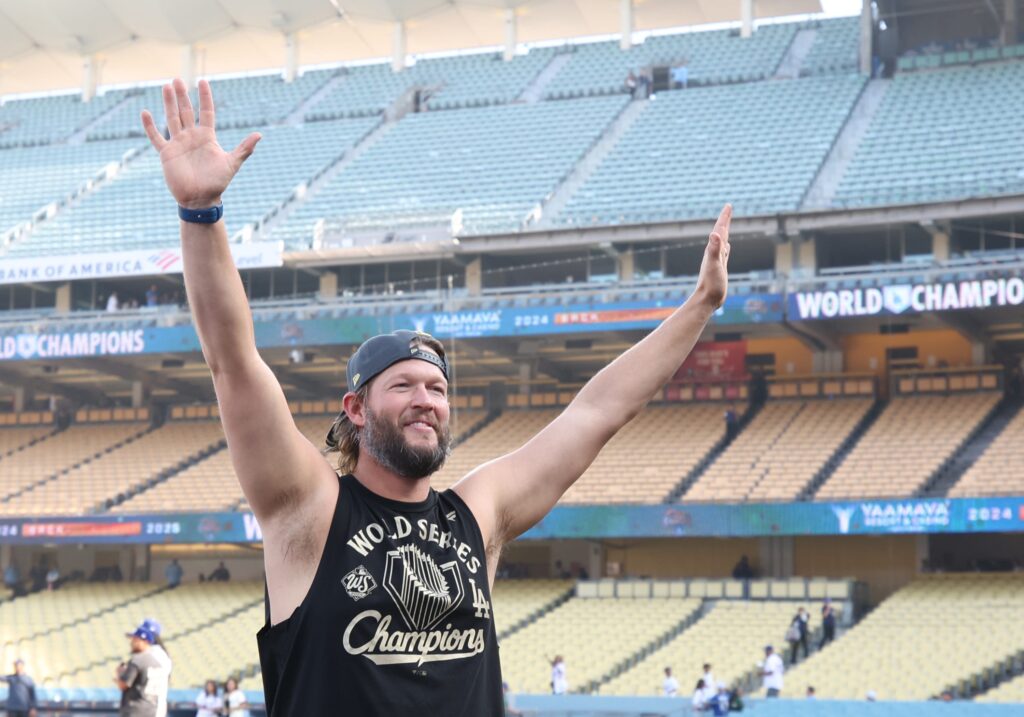
The Los Angeles Dodgers’ formal appointment of franchise icon Clayton Kershaw as a special assistant in the front office, following his retirement from active play, represents a sophisticated strategic maneuver extending far beyond ceremonial recognition. Announced amidst his poignant ceremonial appearance at Dodger Stadium’s Opening Day, where he threw the first pitch and received his third World Series ring, this move signals a deliberate, multi-faceted effort to harness his unparalleled institutional knowledge, profound cultural influence, and enduring brand equity for sustained organizational advantage.
Kershaw’s immediate transition from active player to an integrated front office and media role, highlighted by his broadcasting debut for NBC, underscores a proactive approach to talent management. This strategy ensures his continued relevance and contribution across various platforms, aligning seamlessly with the Dodgers’ broader media and strategic objectives.
The Evolving Role of Special Assistants: Strategic Ambiguity and Tailored Integration
The designation of ‘special assistant’ in professional sports organizations offers inherent flexibility, allowing for a spectrum of responsibilities from high-level ambassadorship to deeply embedded operational functions. While the precise details of Kershaw’s duties are slated for future definition – a process the Dodgers refer to as ‘hashing out’ – this strategic ambiguity is itself a powerful tool. It enables the organization to incrementally define a role that maximizes Kershaw’s unique insights across diverse departments without immediately confining him to rigid structures.
This adaptive integration allows the Dodgers to leverage his experience in areas such as player evaluation, strategic planning, or cultural mentorship, evolving his contributions in response to organizational needs and his personal preferences. Such roles are increasingly vital for franchises seeking to retain invaluable human capital, ensuring that the wisdom and influence of high-value personnel remain within the organizational ecosystem, preventing their loss to competitors or external ventures.
Harnessing Institutional Knowledge and Reinforcing Organizational Culture
Kershaw’s unparalleled 18-year tenure, spent entirely within the Dodgers organization, constitutes an invaluable repository of institutional knowledge. This encompasses deep insights into multiple eras of player development philosophies, strategic shifts, championship runs, and the evolving dynamics of Major League Baseball. His sustained presence ensures that this profound understanding of the team’s operational philosophy, cultural tenets, and historical context remains accessible to current players, coaching staff, and future generations within the organization.
Retaining a figure of his stature provides critical cultural continuity, reinforcing the organizational identity and embodying the values the franchise aims to uphold. In an era characterized by high player and staff turnover, Kershaw serves as a stable anchor, providing a tangible link to past successes and guiding strategic decisions with an informed historical perspective. This internal knowledge transfer is crucial for maintaining a consistent, winning organizational culture.
Amplifying Brand Equity and Deepening Fan Engagement
The decision to formally integrate Kershaw into the organizational fabric significantly bolsters the Dodgers’ brand equity. His iconic status, built over nearly two decades of excellence, becomes a powerful asset for deepening fan engagement, fostering loyalty, and expanding the franchise’s market reach. His continued association, whether through his front office capacity, public appearances, or media roles, provides a compelling narrative of commitment and continuity that resonates profoundly with the extensive fan base.
This sustained connection translates into tangible economic benefits for the franchise, including increased merchandise sales, sustained ticket demand, enhanced media visibility, and stronger corporate partnerships. The emotional investment fans have in a legendary figure like Kershaw is transformed into an enduring, valuable asset that contributes directly to the Dodgers’ financial health and market leadership. The synergy between his personal brand and the team’s identity creates a unique, powerful marketing differentiator.
Strategic Impact on Player Development, Recruitment, and Mentorship
While the precise scope of his involvement with players and prospects is subject to further definition, Kershaw’s presence offers an extraordinary resource for player development. His unparalleled experience as a dominant, multi-award-winning pitcher provides a unique and credible mentorship opportunity for aspiring and current athletes within the Dodgers’ extensive system. His insights into pitching mechanics, mental fortitude, game preparation, and managing the pressures of elite competition are invaluable.
Furthermore, the public commitment to retaining and valuing a franchise legend serves as a potent recruitment tool. Prospective free agents, draft picks, and their agents may view the Dodgers as an organization that not only fosters on-field success but also demonstrates a profound commitment to supporting its players throughout their careers and into retirement. This signals a stable, player-centric environment, enhancing the Dodgers’ appeal in the highly competitive talent market and potentially influencing crucial decisions for high-value acquisitions.
Setting a Precedent: A Model for Post-Playing Career Transition
Kershaw’s multi-faceted post-playing career, encompassing both a strategic front office role and prominent broadcasting duties, establishes a significant precedent for elite athletes transitioning out of active competition. This integrated approach demonstrates a viable pathway for maintaining relevance and contributing to the sport beyond the field, offering a blueprint for other high-profile figures across professional sports.
The league-wide implications suggest a growing trend where professional sports organizations are recognizing the strategic value of retaining their most celebrated figures. This not only enriches the sport with continued expertise and narrative depth but also provides structured, meaningful opportunities for athletes, mitigating the abruptness and uncertainty often associated with retirement. The Dodgers are proactively shaping the future landscape of athlete career management.
Organizational Cohesion and Strategic Foresight in Talent Management
President of Baseball Operations Andrew Friedman’s immediate offer of a role to Kershaw upon his retirement underscores a clear strategic intent: to integrate his recent playing perspective directly into the decision-making processes. This proactive approach reflects a commitment to leveraging diverse viewpoints, particularly those from individuals who have recently experienced the game at its highest level, to inform and refine organizational strategy.
Such integration fosters greater cohesion between the playing personnel and the front office, bridging potential communication gaps and ensuring that strategic initiatives are grounded in practical, on-field realities. Kershaw’s insights into player evaluation, roster construction, and overall team dynamics could prove invaluable, enhancing the strategic foresight of the organization. This long-term vision extends beyond immediate roster needs, securing critical human capital for enduring competitive advantage.
Shaping the Media Narrative and Strengthening Public Perception
The Dodgers’ meticulous management of Kershaw’s post-retirement narrative, prominently featuring his ceremonial appearances and broadcasting debut, is a sophisticated exercise in public relations and media strategy. By maintaining his visible and active association with the team, they actively shape public perception and reinforce their image as a premier, tradition-rich franchise committed to its legends.
This controlled narrative helps to ensure consistently positive media coverage and strengthens the emotional bond with the fan base, particularly during periods of transition or the off-season. Kershaw’s continued visibility ensures that the Dodgers remain a focal point in broader sports discussions, extending their influence and cultural footprint beyond seasonal on-field performance.
Competitive Advantage in the Broader League Landscape
In the highly competitive and constantly evolving landscape of Major League Baseball, the retention of a figure like Kershaw provides a subtle yet significant competitive advantage. This extends beyond immediate on-field contributions to encompass long-term organizational stability, a uniquely strengthened brand, and an enhanced appeal to prospective talent that differentiates the Dodgers from other franchises.
While not directly influencing individual win-loss records, the ability to cultivate and retain such deep institutional loyalty and expertise creates a perception of organizational excellence. This strategic depth can subtly influence critical decisions made by players, agents, potential investors, and even media partners, contributing to a virtuous cycle of success and sustained market leadership. It’s an investment in strategic intangibles that yield tangible long-term benefits.
Conclusion: A Multifaceted Strategic Imperative for Sustained Excellence
Clayton Kershaw’s return to the Los Angeles Dodgers as a special assistant transcends a mere celebratory gesture; it represents a meticulously crafted, multifaceted strategic imperative. It is a deliberate, long-term investment designed to secure invaluable institutional knowledge, reinforce a winning organizational culture, amplify brand equity, and provide an unparalleled resource for player development and talent acquisition.
The inherent flexibility of the special assistant role, combined with Kershaw’s enduring legacy and multi-platform engagement, positions this decision as a sophisticated commitment to sustained excellence. It profoundly underscores the Dodgers’ dedication to leveraging every available asset – tangible and intangible – to maintain their competitive edge and strengthen their enduring connection with their passionate fan base, signaling a new, analytically driven chapter in the strategic management and integration of sports legends.