Dominican Heritage and International Representation
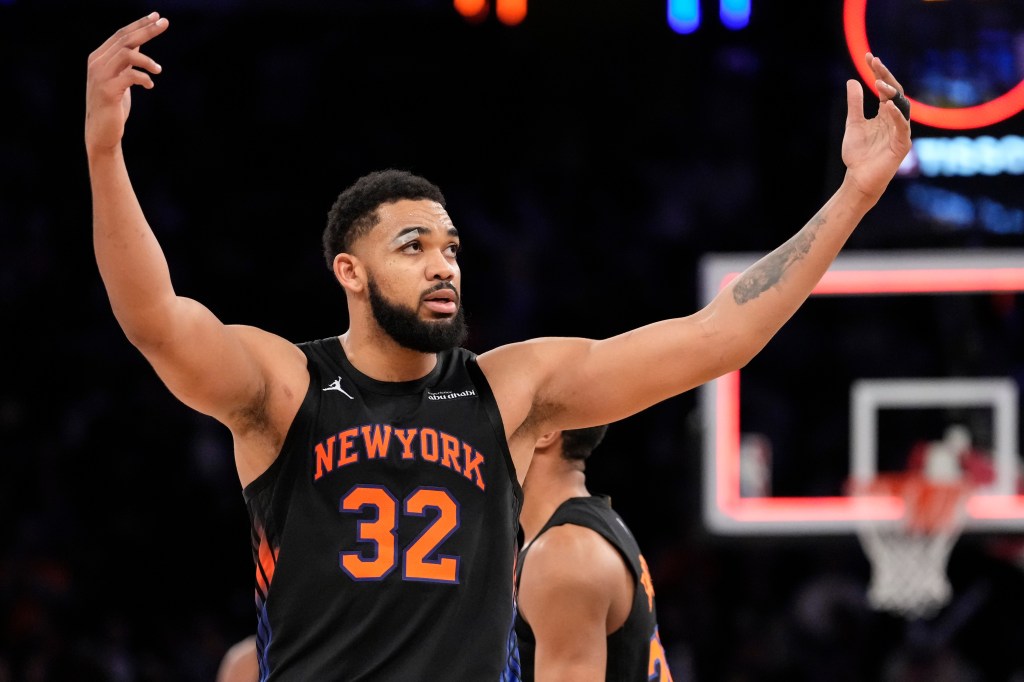
New York Knicks center Karl-Anthony Towns embodies a dual identity, strongly connected to his Dominican heritage through his international play. This representation serves as a powerful tribute to his late mother, Jacqueline Cruz, a Dominican native, adding profound personal significance to his professional career beyond his U.S. upbringing.
Towns’ dedication to representing the Dominican Republic on the global stage commenced early, notably with his 2012 debut in a friendly against the United States at age 16. This strategic embrace of his heritage established him as a key figure for the nation in international basketball, influencing his affiliations within the NBA’s diverse team structures.
Personal Foul Challenges and Statistical Impact
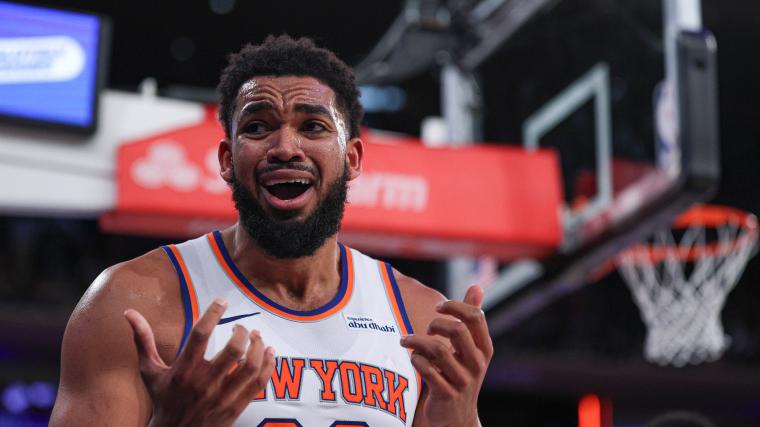
Karl-Anthony Towns is a dominant force on the boards, ranking second in the NBA in rebounds per game for the New York Knicks. However, this elite performance is consistently overshadowed by a high volume of personal fouls, positioning him among the league’s leaders in this critical statistical category.
Through 51 games, Towns has accumulated 180 personal fouls, tied for second most in the league, resulting in frequent ejections. With 45 career disqualifications, he holds the unfortunate distinction of being the active player with the most such instances, raising significant concerns about his on-court discipline and its impact on crucial game outcomes.
Offensive Fouls: A Recurring Issue
A particularly alarming aspect of Towns’ foul trouble is his league-leading total of 48 offensive fouls. This statistic points to a systemic issue with his offensive approach, particularly during drives to the basket, where extending his arm into defenders is a frequently penalized action.
The consistent application of these calls indicates a predictable pattern recognized by opponents and officials alike. This strategic vulnerability poses substantial risk to the Knicks, especially in close games, as demonstrated by his disqualification in a recent overtime loss.
Strategic Implications of Foul Trouble
The Knicks’ recent overtime defeat against the Indiana Pacers, where Towns fouled out in the decisive moments, starkly illustrates the detrimental effect of his foul accumulation on team performance. His absence during pivotal stretches, even after clutch free throws forced overtime, highlights a strategic liability that can derail team efforts.
The decision not to challenge the final foul call—deemed an inadvertent contact where a defender tripped over Towns’ foot—underscores the subjective nature of officiating. This scenario also reflects the coaching staff’s strategic calculus, weighing the potential benefit of overturning a call against the loss of a valuable timeout and the risk of establishing a negative precedent.
Stakeholder Impact and Risk Exposure
For the New York Knicks, Towns’ foul-prone tendencies represent a significant impediment to their competitive aspirations. His inability to remain on the court during critical junctures directly compromises the team’s ability to secure victories, potentially impacting playoff seeding and season trajectory.
Teammates, such as Jalen Brunson who was setting a screen, are indirectly affected and face reputational implications from contributing to a teammate’s disqualification. This dynamic highlights the interconnectedness of individual performance and its collective impact on team outcomes, where a single player’s actions can have cascading effects on roster strategy and overall performance.
Competitive Landscape and League Dynamics
Towns’ inclusion on the World team, alongside elite international talents like Victor Wembanyama, Luka Doncic, and Nikola Jokic, places him in a distinct competitive tier within the NBA’s All-Star festivities. This highlights the league’s global reach and the diverse origins of its premier talent, while underscoring strategic considerations in exhibition event team compositions.
The NBA’s commitment to maintaining a high competitive standard, exemplified by formats like World vs. U.S., intensifies scrutiny on individual player performance and discipline. For Towns, navigating this landscape requires not only statistical excellence but also effective mitigation of personal fouls to maximize his overall value and influence.
Media and Fan Perception
The public narrative surrounding Karl-Anthony Towns is increasingly defined by the contrast between his celebrated international heritage and his on-court foul struggles. Media commentary, including insights from Knicks legend Walt Frazier, offers critical perspectives on his decision-making in high-stakes situations, shaping public perception and fan sentiment.
This dual focus—on his Dominican roots and his foul issues—crafts a complex public image. While his international representation garners respect, his recurring foul trouble invites criticism and questions his tactical adaptability within the rigorous demands of NBA play.
Institutional Context and Player Development
The persistent pattern of offensive fouls suggests a need for enhanced player development and targeted coaching interventions within the Knicks’ system. The observation that officials have “caught onto the pattern” implies a lack of substantial adjustment in Towns’ approach, despite the detrimental consequences.
This situation warrants an examination of institutional priorities in player development. While offensive output is highly valued, the long-term costs of frequent fouls—including increased injury risk and strategic disadvantages due to player absence—necessitate a more balanced focus on skill refinement and tactical discipline.
Financial and Contractual Ramifications
While not explicitly detailed, a player of Towns’ caliber and contract status is subject to performance-based incentives and potential penalties. Frequent disqualifications and a high foul rate could indirectly impact future contract negotiations or devalue his current deal by affecting consistent availability and on-court impact.
The financial implications extend to the team’s overall investment. Significant portions of a team’s salary cap are allocated to star players, whose consistent contribution is paramount. When a player like Towns is frequently sidelined by fouls, it represents a suboptimal return on investment and can necessitate adjustments in roster construction and game strategy to compensate for his absences.
Future Strategic Considerations for the Knicks
The recurring issue of Towns’ foul trouble presents a significant strategic challenge for the Knicks’ coaching staff and front office. It demands a comprehensive analysis of his playing style, defensive positioning, and decision-making during offensive drives.
Moving forward, the organization must critically assess the benefits of Towns’ offensive prowess against the costs of his foul accumulation. This may involve implementing specialized training regimens, developing alternative offensive strategies that minimize high-risk drives, or refining tactical adjustments to reduce his exposure to potentially penalizing situations.
Broader League Trends and Officiating Scrutiny
Towns’ struggles with offensive fouls occur within the context of a league continuously refining its rule interpretations and applications. The increasing emphasis on player safety and game flow means certain types of contact, deemed illegal or dangerous, face heightened scrutiny.
NBA officiating crews are tasked with consistent rule enforcement. For players like Towns, adapting to these officiating trends is crucial for sustained success. The discernible “pattern” of his fouls underscores the need for greater awareness and modification of his on-court habits to align with evolving league standards and avoid repeated penalties.