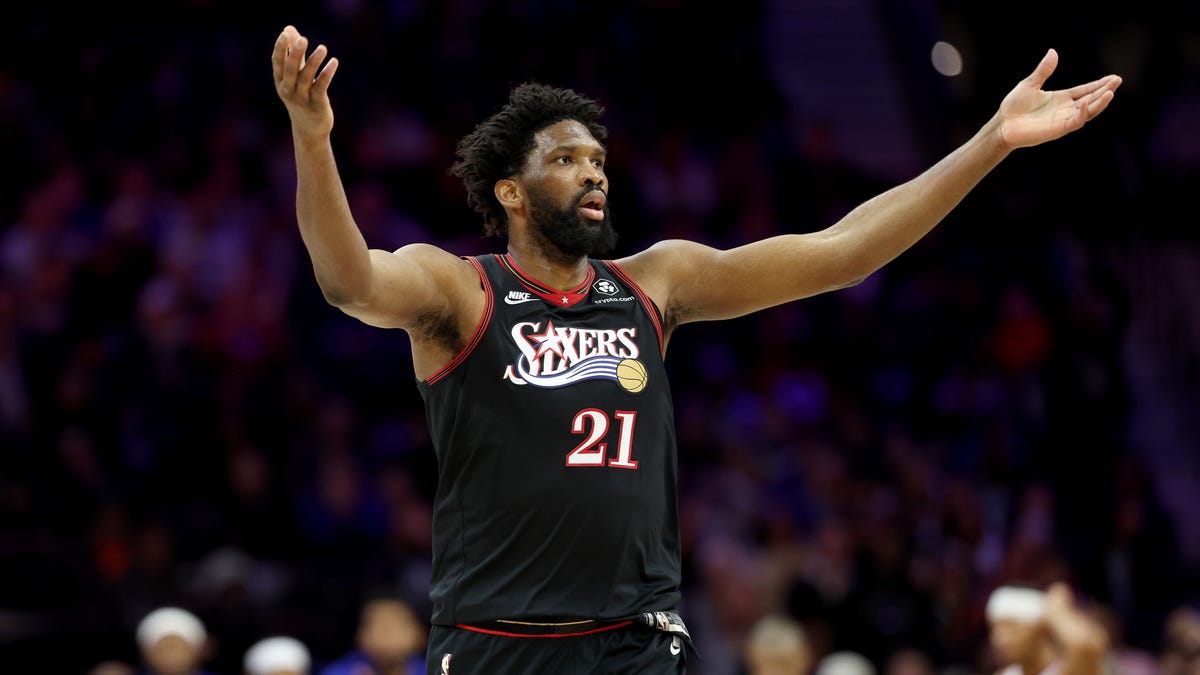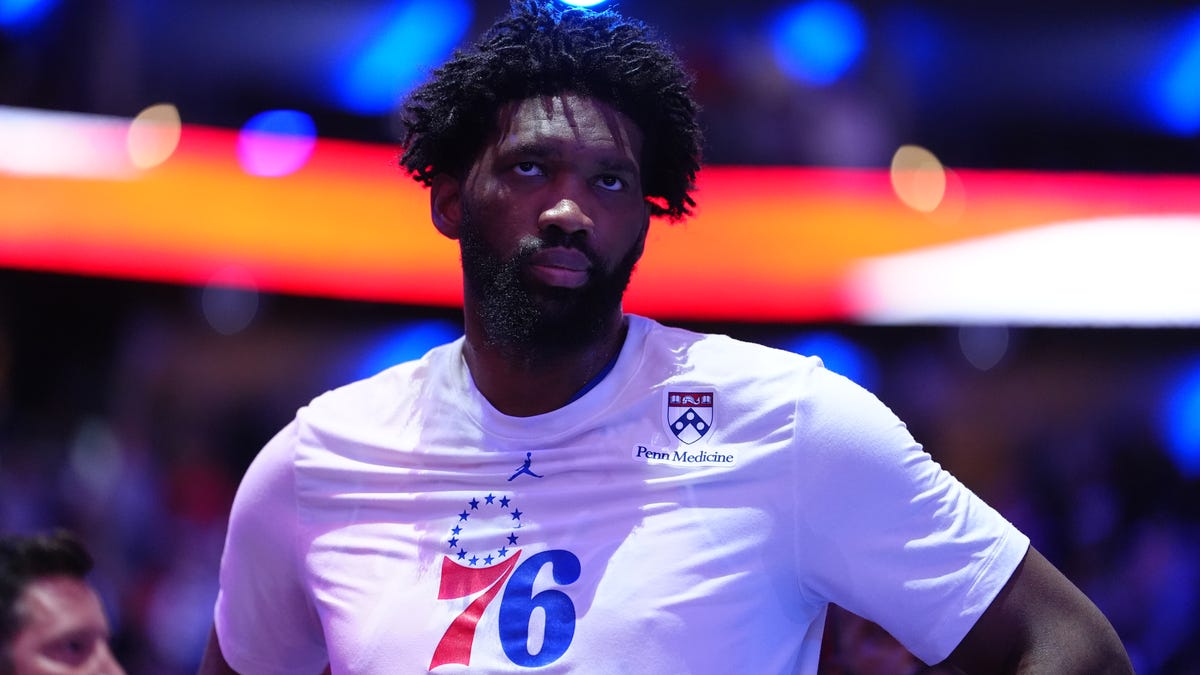
Joel Embiid’s Absence: A Systemic Disruption for 76ers in Celtics Playoff Series
The Philadelphia 76ers’ 2026 Eastern Conference playoff campaign against the Boston Celtics has been fundamentally reshaped by the acute injury status of star center Joel Embiid. His emergency appendectomy on April 9, 2026, initiated a cascade of strategic vulnerabilities, compelling a wholesale recalibration of the 76ers’ tactical framework. Currently trailing 3-1, the team’s precarious position underscores the profound systemic disruption his absence creates, transitioning the competitive dynamic from a strategic battle to a survival challenge against a formidable opponent.
Roster Fragility and Tactical Recalibration Under Duress
Embiid’s persistent “doubtful” to “questionable” status has metastasized into an organizational crisis, demanding continuous tactical adjustments. This pervasive uncertainty not only complicates real-time rotation management, impacting crucial minute allocations for players like Tyrese Maxey and Paul George, but also prevents the establishment of a consistent strategic rhythm. The 76ers’ design, predicated on Embiid’s singular two-way dominance as an interior anchor and offensive focal point, reveals an inherent structural dependency. His extended absence, spanning the Play-In tournament and early playoff games, exposes the fragility of a system built around a high-usage, injury-prone superstar.
The operational challenges are further compounded by Kelly Oubre Jr.’s right adductor soreness. The simultaneous loss of the team’s foundational interior presence and a vital secondary wing scoring option severely constrains strategic flexibility. Against a deep and tactically disciplined opponent like the Boston Celtics, these compounded absences obliterate the margin for error, forcing compensatory adjustments that often create new vulnerabilities rather than mitigating existing ones. The team’s defensive scheme, reliant on Embiid’s rim protection, degrades into perimeter over-extension, while offensive spacing and post-play efficiencies dissipate without his gravity.
Organizational Imperative: Long-Term Implications of Recurrent Star Injuries
Embiid’s decade-long pattern of postseason injury-related absences transcends immediate competitive hurdles, posing a fundamental strategic dilemma for the Philadelphia franchise. This recurring institutional vulnerability forces a critical re-evaluation of the core’s sustainability and the efficacy of significant capital allocation toward a roster perpetually unable to achieve peak health during critical playoff windows. The cumulative effect of these cycles erodes long-term strategic planning and talent development pathways.
The 76ers now face heightened institutional scrutiny, as the consistent non-availability of their franchise player directly correlates with a diminishing probability of postseason advancement. This creates a detrimental feedback loop: repeated playoff underperformance, exacerbated by star injuries, intensifies questions regarding the team’s foundational roster construction, medical management protocols, and overall championship viability. It mandates a comprehensive reassessment of resource deployment and strategic resilience.
Asymmetric Competitive Advantage and Market Repercussions
In stark contrast to the 76ers’ instability, the Boston Celtics have maintained optimal roster health and tactical continuity. This allows them to execute their meticulously planned schemes with unwavering consistency, exploiting every reactive adjustment forced upon Philadelphia. The Celtics’ clean injury report translates into a profound competitive asymmetry, enabling superior strategic execution and dictating the series tempo while their opponent grapples with fundamental structural deficiencies.
Beyond the immediate competition, this series holds significant market ramifications. The 76ers’ performance, heavily influenced by Embiid’s status, serves as a critical barometer for the organizational health and viability of their entire competitive cycle. Stakeholders, investors, and the broader NBA ecosystem meticulously track these developments, interpreting early playoff exits as indicators of systemic frailty, directly influencing future valuation, fan engagement, and the franchise’s long-term market positioning and attractiveness for talent acquisition.
Risk Assessment and Pervasive Uncertainty in Return-to-Play Protocols
The determination to clear a franchise player for high-stakes playoff competition post-surgery represents an intricate, multi-dimensional risk assessment. The 76ers’ medical and administrative leadership must meticulously weigh the acute imperative of winning against the substantial long-term health risks associated with a premature return. This calculation is inherently laden with severe reputational consequences, potential career-altering implications for the player, and significant financial liabilities for the organization.
Embiid’s visible participation in limited shootarounds and controlled practice sessions signals a cautious, progressive recovery trajectory. However, the chasm between these controlled environments and the ballistic intensity of playoff basketball remains vast. The reliance on pre-game evaluations as the sole determinant for his availability is indicative of the pervasive uncertainty that destabilizes team morale, prevents tactical consistency, and undermines the collective ability to establish a stable rhythm.
Macro-Level Impact: Competitive Equity and Playoff Integrity
The Philadelphia 76ers’ current predicament serves as a compelling case study on how critical injury management fundamentally alters the competitive integrity and predictability of the NBA playoffs. When the aspirational trajectory of a contending team becomes inextricably tethered to the recovery timeline of a single transcendent talent, the intrinsic competitive balance of an entire series is fundamentally skewed. This often diminishes the perceived tactical superiority of the opposing team, shifting the narrative from a clash of strategies to a commentary on individual player health.
This dynamic critically underscores the imperative for robust roster depth and the developed capacity of role players to mitigate the void left by absent superstars. For the 76ers, the remaining games are a stark referendum on whether their existing personnel possess the collective resilience to overcome Embiid’s structural void, or if the inherent limitations of their singular-star construction will culminate in a premature, strategically compromised postseason exit.