Strategic Inflection: Neutralizing Home-Court Advantage
The 2026 Eastern Conference semifinals reached a tactical pivot point following Boston’s 108-100 victory in Game 3. This result did more than secure a 2-1 series lead; it effectively neutralized Philadelphia’s home-court advantage while exposing the structural vulnerabilities of a roster lacking its primary defensive anchor. Boston’s current dominance serves as an empirical validation of their conservative regular-season load management and long-term talent acquisition strategy.
The Tatum Optimization: A Masterclass in Sports Rehabilitation
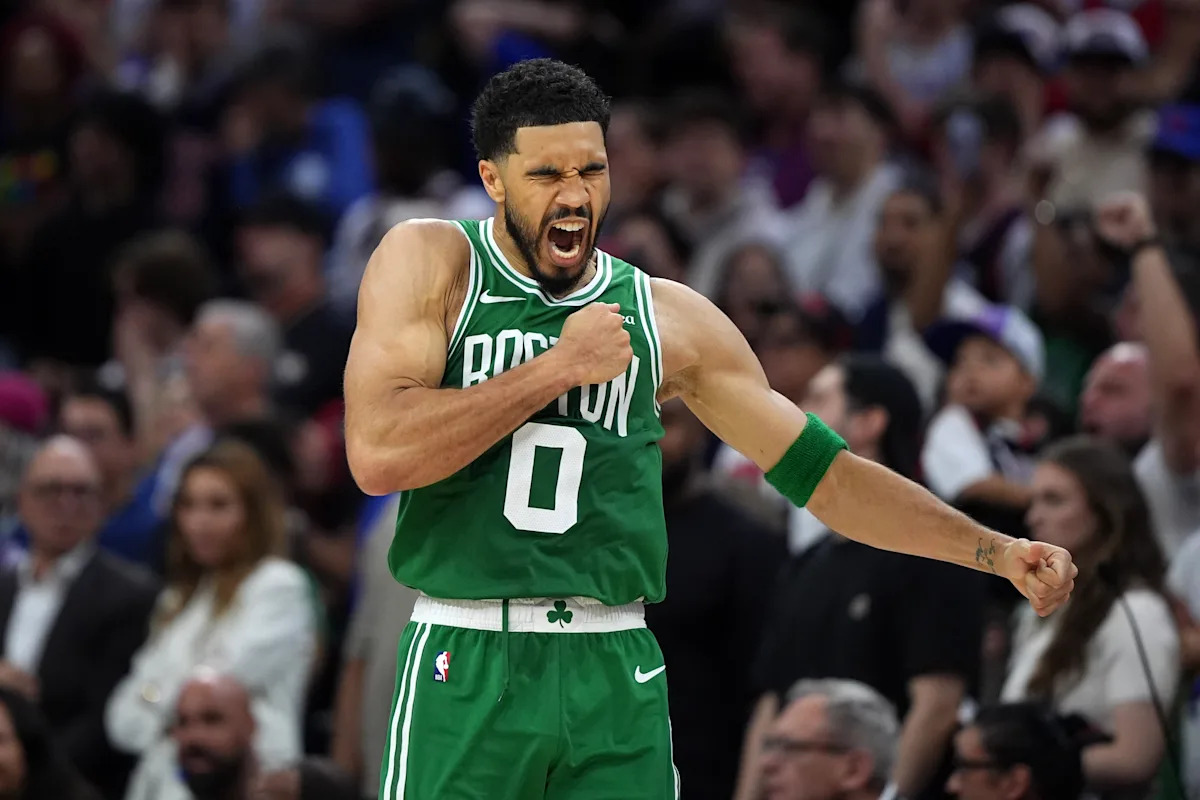
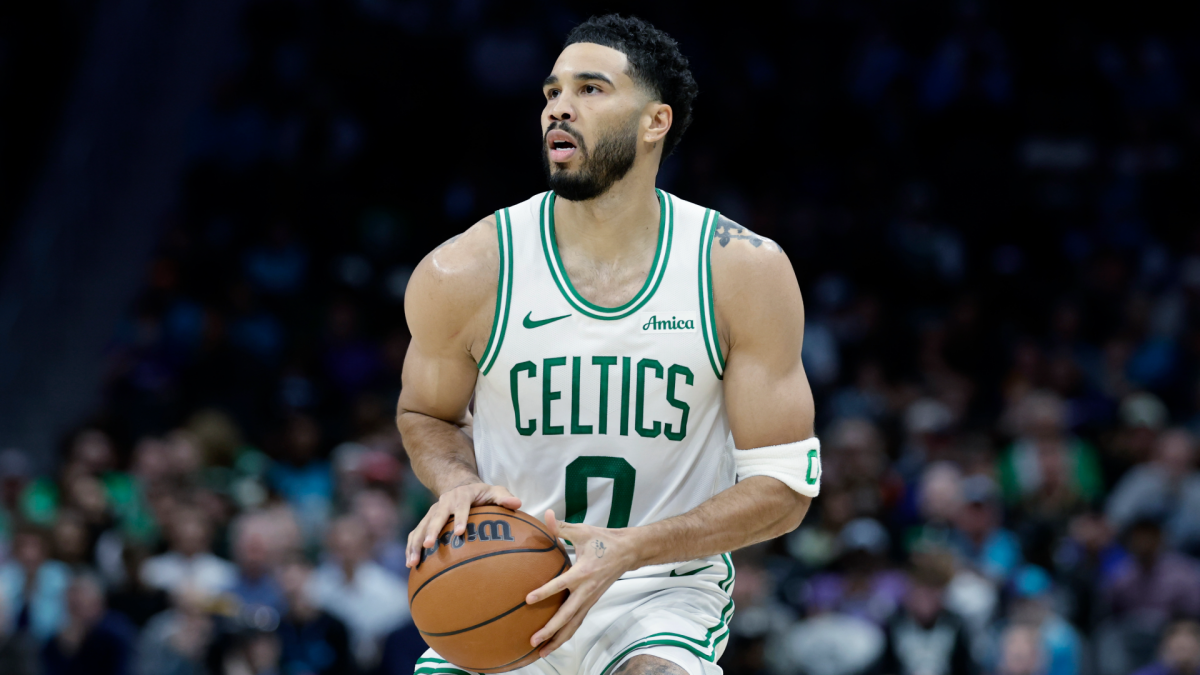
Jayson Tatum’s Game 3 performance—25 points, including 11 in the final frame—represents a significant milestone in modern biomechanical recovery. Less than a year removed from a ruptured right Achilles, Tatum’s high-efficiency scoring suggests Boston’s decision to limit him to 16 regular-season games was a strategic success. This preservation allowed Tatum to enter the postseason with the physical capacity to exploit isolation mismatches, evidenced by his late-game execution against Philadelphia’s fatigued interior defense.
Tatum’s dominance creates a compounding psychological burden for Philadelphia. His historical continuity—most notably a prior 51-point Game 7 performance—influences current defensive positioning and late-game decision-making. By forcing inexperienced defenders like Adem Bona into high-stakes rotations, Boston leverages Tatum’s restored athleticism against Philadelphia’s personnel limitations.
Philadelphia’s Systemic Risk and Operational Deficits
The 76ers face a compounding personnel crisis as Joel Embiid remains doubtful for Game 4 following an appendectomy. Embiid’s absence removes the central pillar of Philadelphia’s defensive scheme and their most efficient offensive engine. Without his rim protection, the 76ers rely on a rotation that lacks the verticality to deter Boston’s perimeter-driven attacks, leading to an exponential performance drop-off in the closing minutes of high-leverage games.
This fragility is further exacerbated by Kelly Oubre Jr.’s adductor injury. These setbacks highlight a recurring theme for the 76ers: a concentration of talent in a few key players that creates high systemic risk. When these assets are unavailable, the coaching staff is left with few viable tactical adjustments against a deep, healthy Boston squad that has outpaced Philadelphia in roster stability since mid-February.
The 2017 Draft Legacy: Long-Term Talent Valuation Errors
The current series serves as a live audit of the 2017 NBA Draft. Philadelphia’s decision to trade up for Markelle Fultz while allowing Boston to select Jayson Tatum remains a foundational talent valuation error. This divergence in trajectory has provided Boston with a perennial All-NBA wing, while Philadelphia has been forced into high-risk trades and free-agent acquisitions to compensate for a lack of homegrown superstar durability.
This draft legacy dictates the current ceiling of both franchises. Boston’s ability to build around a versatile, durable wing has fostered institutional stability and consistent deep playoff runs. Conversely, Philadelphia faces the prospect of another premature exit, which could trigger a reassessment of their front-office strategy and institutional hierarchy within the Eastern Conference.
Market Analysis and Game 4 Projections
Betting markets for Game 4 reflect a clear consensus on this competitive disparity. Boston entering as an 8.5-point road favorite—a significant margin for the postseason—signals a lack of confidence in Philadelphia’s operational capacity without Embiid. The money line (-323) and an over/under of 213.5 point toward a controlled, defensive-oriented game where Boston dictates the tempo through superior spacing and defensive rotations. For Philadelphia to bridge this gap, an outlier performance from the supporting cast is statistically necessary but analytically improbable.