Jerone Morton Joins Kentucky in Strategic Transfer Portal Move
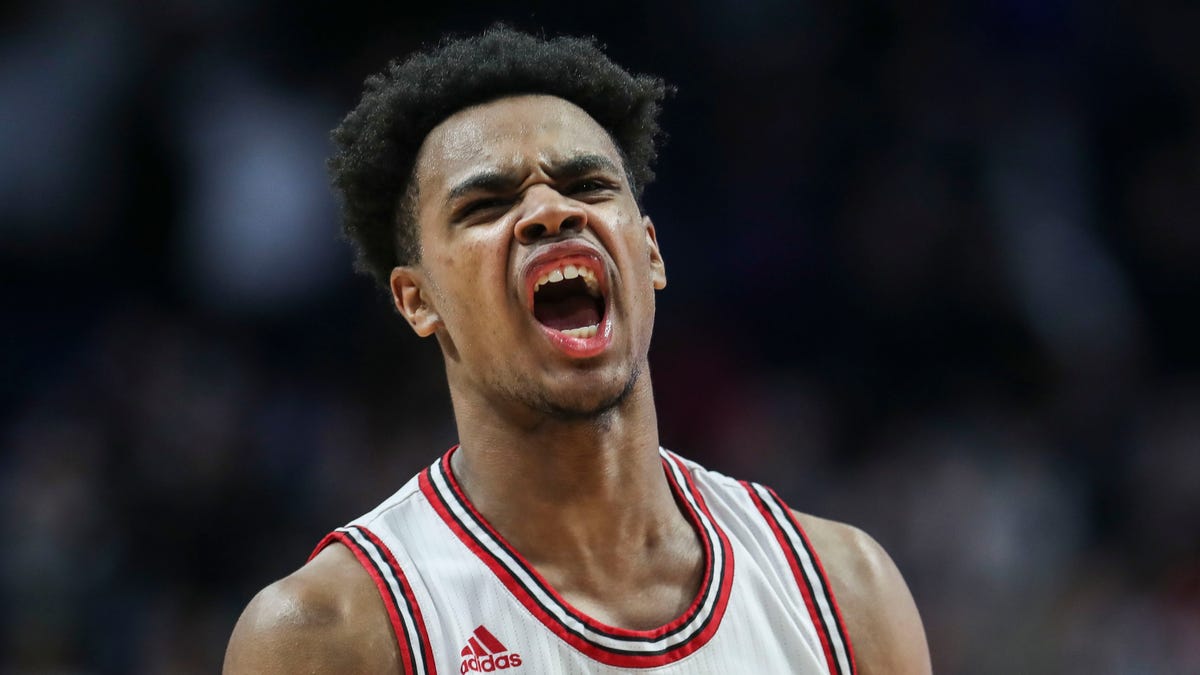
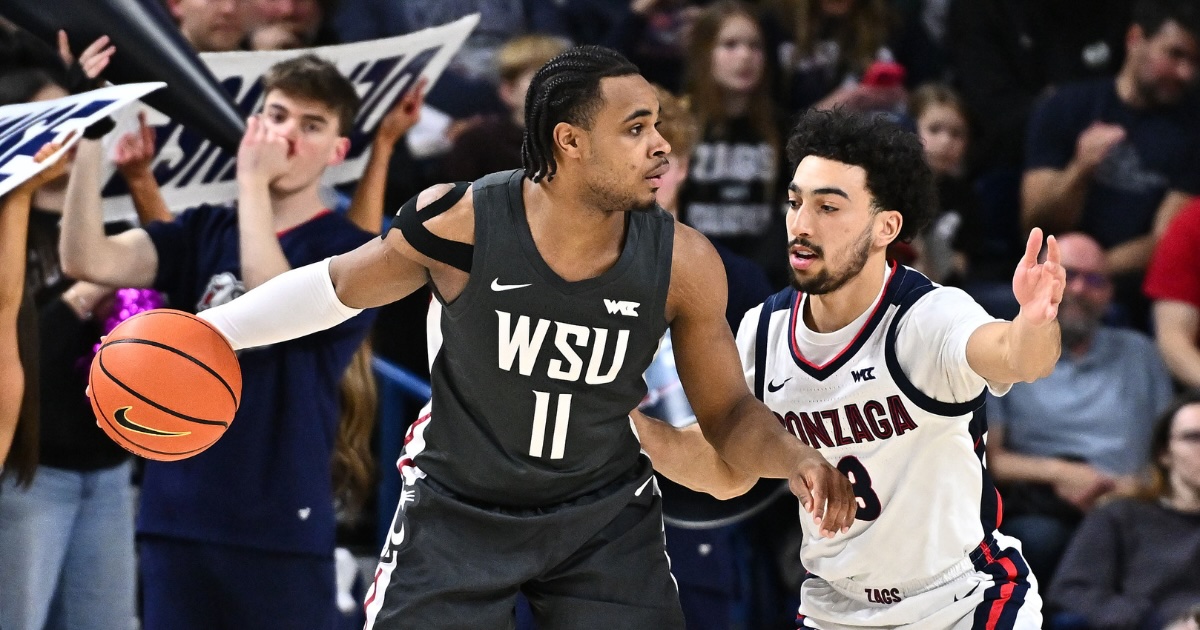
The University of Kentucky men’s basketball program has officially secured the commitment of guard Jerone Morton, a transfer from Washington State. This acquisition, confirmed by Morton’s father, adds experienced depth to the Wildcats’ roster as they prepare for the upcoming season, with Morton having one year of collegiate eligibility remaining.
Morton’s decision underscores the transformative impact of the NCAA transfer portal on collegiate athletics. Programs like Kentucky are increasingly leveraging this mechanism to address immediate roster needs, enhance competition, and strategically fill specific positional gaps with proven talent.
The NCAA Transfer Portal: A Catalyst for Program Recalibration
Jerone Morton’s transition exemplifies how the NCAA transfer portal has become an indispensable tool for college basketball programs. It enables rapid roster adjustments, allowing teams to integrate players who can make an immediate impact, particularly those with limited eligibility remaining.
For elite programs such as Kentucky, the portal offers a pathway to acquire talent that fits precise strategic needs. Morton’s experience at Morehead State and Washington State provides a documented history of contribution and adaptability, making him a known quantity for a team prioritizing immediate roster integration.
Kentucky’s Targeted Recruitment under Mark Pope
Head Coach Mark Pope’s proactive recruitment of Jerone Morton, including a FaceTime call and an official visit, highlights a personalized approach to the transfer market. This direct engagement is crucial for conveying a player’s projected role and integration strategy.
Coach Pope’s transparent communication regarding Morton’s potential role as a “backup” demonstrates a pragmatic strategy focused on managing expectations and ensuring every player understands their contribution to team success, even in non-starting capacities.
Player Trajectory and Value in a Competitive Landscape
Morton’s collegiate path, from Morehead State to Washington State before committing to Kentucky, illustrates the diverse routes players take to optimize their opportunities. His development showcases a consistent ability to perform at the Division I level.
During his tenure at Washington State, Morton was a significant contributor, appearing in 32 games with 29 starts. He averaged 7.8 points, 1.9 rebounds, and led the team with 84 assists, demonstrating his playmaking abilities. This experience as a primary offensive facilitator in a competitive conference provides a valuable skillset for Kentucky.
Strategic Importance of Depth and Experience
The acquisition of an experienced player like Morton, even in a projected backup role, reinforces the strategic imperative for elite programs to cultivate robust depth. In high-major basketball, a deep roster is essential for navigating injuries, foul trouble, and performance fluctuations throughout a demanding season.
Morton’s past success as a starter and key playmaker offers tactical advantages for Kentucky. His ability to maintain offensive flow and generate assists off the bench can be a critical asset in managing game situations and sustaining competitive intensity.
‘Homecoming’ Narrative and Institutional Connection
Jerone Morton’s commitment to Kentucky carries the powerful narrative of a local talent returning home. As a native of Winchester, Kentucky, and a former state champion at George Rogers Clark High School, Morton embodies a connection to the state’s rich basketball heritage.
This homecoming aspect can enhance fan engagement and solidify the program’s identity as a destination for top in-state talent, creating a stronger bond between the team, the community, and its storied past.
Competitive Environment and Roster Management Dynamics
Morton’s commitment occurs amidst intense recruiting activity for Kentucky, with other significant recruiting news emerging simultaneously. The decisions of Justin McBride (to Kentucky) and Tyran Stokes (to Kansas) highlight the competitive nature of securing top talent in college basketball.
These concurrent developments emphasize the dynamic challenges faced by coaching staffs in managing multiple recruitment efforts and adapting strategies in real-time, as exemplified by Coach Pope’s international recruitment travels.
Operational Integration and Performance Leverage
Integrating a transfer player with one year of eligibility into a specific role requires careful operational planning. The challenge lies in seamlessly incorporating Morton’s established skills into Kentucky’s system while maximizing his impact within his defined scope.
Morton’s adaptability, demonstrated across his collegiate career, suggests he can facilitate this integration. His capacity to provide consistent minutes and maintain efficiency, even in a limited role, offers crucial stability for the team.
Financial and Strategic Rationale for Transfer Acquisitions
The acquisition of transfer talent like Jerone Morton involves significant financial and strategic considerations for athletic departments. Scholarship allocation and resource management are key components of roster construction aimed at achieving competitive objectives.
Investing a scholarship in a player with one year of eligibility for a specific role reflects a calculated approach to maximizing immediate competitive advantage and roster stability, aligning with modern program management strategies.
The Evolving Role of Player Experience and Leadership
Morton’s extensive collegiate experience provides more than just on-court production. His veteran presence and understanding of high-level competition can offer valuable leadership and mentorship, particularly for younger players on the Kentucky roster.
In a program that frequently recruits new talent, experienced players are vital for fostering team cohesion, resilience, and a positive locker room culture, contributing significantly to overall team readiness.
Media Ecosystem and Narrative Control
The reporting surrounding Morton’s commitment by outlets like KSR+ and On3 illustrates the active media ecosystem that tracks and shapes college sports narratives. These platforms are crucial for disseminating information, analyzing team strategies, and engaging the fanbase.
Athletes’ use of personal social media also highlights their agency in controlling their narratives and communicating directly with stakeholders, defining the contemporary media landscape for high-profile transfers.
Institutional Strategy in a Dynamic Talent Market
Kentucky’s successful recruitment of Jerone Morton demonstrates an institutional strategy adapted to a fluid talent market. The ability to identify, recruit, and integrate players from the transfer portal is now a core competency for programs aiming for sustained competitive excellence.
This strategic agility requires evaluating not only athletic talent but also a player’s fit within team culture, willingness to embrace a specific role, and potential for immediate contribution. Morton’s profile aligns with these multifaceted institutional objectives.
Long-Term Implications for Program Stability and Player Mobility
Morton’s commitment addresses immediate roster needs while contributing to broader discussions on program stability and player mobility. The increased frequency of transfers, facilitated by the portal, creates a more dynamic environment for both players and programs.
This necessitates continuous recruitment and adaptation for programs, while offering players greater agency in seeking optimal collegiate experiences. Morton’s decision, driven by the opportunity to play for a prominent program in his home state, reflects these evolving considerations in player career management.
Interplay of Local Talent and National Aspirations
The narrative of Jerone Morton returning to play for Kentucky combines local pride with national ambitions. This dynamic is particularly potent in states with strong basketball traditions, where team success resonates deeply within the community.
Morton’s past achievements, including a state championship MVP title, establish a foundation of local acclaim that can be leveraged by the Kentucky program, reinforcing the connection between top local talent, national prominence, and regional identity.