Institutional Crisis Management and Long-Term Commemoration
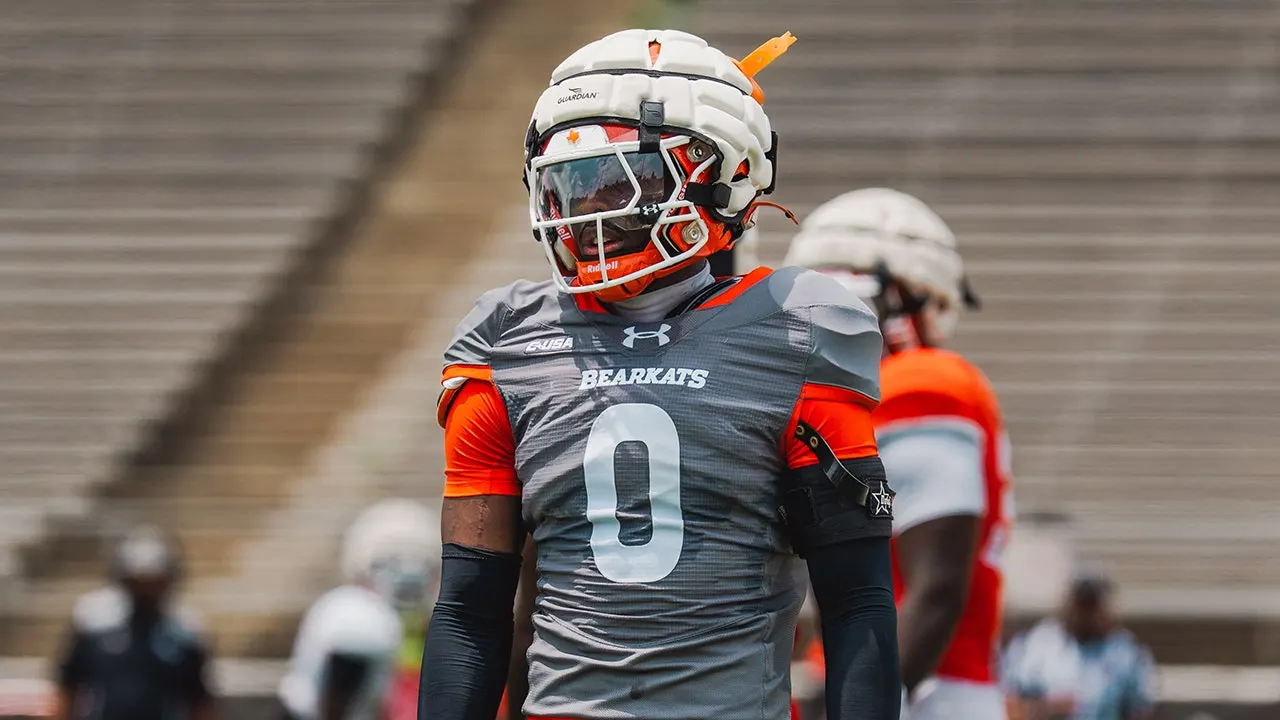
The passing of William Davis, a 22-year-old defensive back at Sam Houston State University (SHSU), has necessitated an immediate pivot from standard spring operations to institutional crisis management. Head coach Phil Longo’s protocol-driven response emphasizes a transition toward internal support structures, balancing the psychological welfare of the roster with the operational requirements of a Division I program. The administration’s decision to schedule a formal tribute for the 2026-2027 season represents a strategic approach to institutional memory, allowing for a structured grieving process that ensures Davis’s legacy is integrated into the program’s historical narrative rather than being overshadowed by immediate seasonal pressures.
The Transfer Portal as a Meritocratic Ladder
Davis’s career trajectory serves as a definitive case study in modern collegiate mobility. Progressing from Division II Virginia Union to a Power Five environment at West Virginia University, and ultimately to SHSU, his path underscores the efficacy of the transfer portal for athletes demonstrating elite production at lower-tier programs. His 19-game tenure at Virginia Union, marked by five interceptions, established a high-ceiling statistical profile that validated his upward recruitment. This movement reflects a broader trend in NCAA football where graduate eligibility is leveraged to maximize both athletic exposure and academic attainment, exemplified by Davis securing a Master of Science in Sports Management by age 22.
Technical Roster Implications and Personnel Recalibration
From a tactical perspective, Davis was recruited to provide veteran stability and depth to the Bearkats’ defensive secondary. As a graduate senior with multi-level NCAA experience, he was a projected contributor to the unit’s cohesion during a critical developmental window. His absence creates a vacuum in the depth chart that requires immediate personnel recalibration. The coaching staff must now evaluate whether to address this vacancy through internal development of younger prospects or by re-entering the transfer market in upcoming windows. This event accelerates the evaluation cycle for underclassmen, who may be forced into high-leverage roles sooner than strategically intended.
Privacy Protocols and Organizational Communication
The institutional silence regarding a cause of death aligns with standard athletic department communication silos designed to protect family privacy while mitigating public speculation. This period of informational uncertainty requires the university to maintain a professional distance, prioritizing psychological resources for the “Bearkat football family” over media transparency. By positioning the head coach as the primary spokesperson, the program maintains a unified narrative that emphasizes character and locker-room culture, which is essential for sustaining morale and program attractiveness to future recruits.
Academic Integration and Intellectual Capital
Davis’s rapid completion of a Master’s degree highlights the ideal execution of the student-athlete model. His academic background in Sports Management provided him with a unique perspective on the business and administrative side of the sport, likely contributing to his reputation as a mature leader. The loss, therefore, extends beyond physical performance on the field to a loss of intellectual capital within the locker room. His ability to navigate complex institutional structures across three different universities (Virginia Union, WVU, and SHSU) suggests a level of discipline that served as a stabilizing force for his peers, marking his death as a significant blow to the team’s veteran leadership core.