Redundant Egress and Asymmetric Risk Management
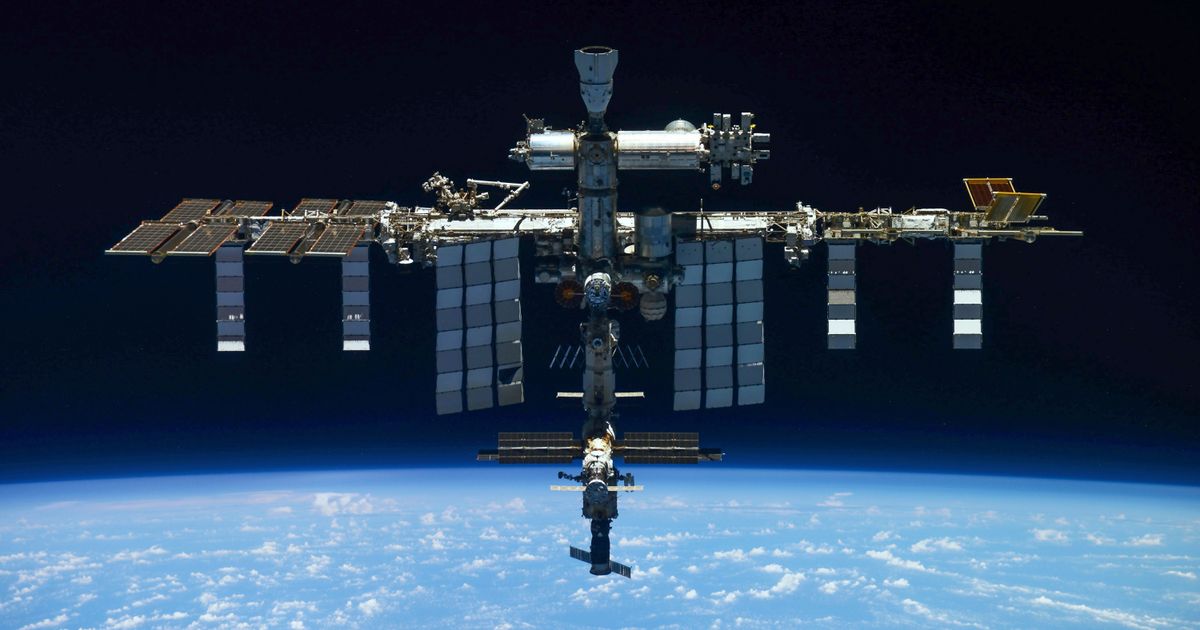
The recent directive for International Space Station (ISS) crew members to seek shelter within a docked SpaceX Dragon spacecraft marks a significant escalation in NASA’s risk-mitigation strategy. This ‘elevated safety posture’ was necessitated by persistent air leaks within the Russian-operated Zvezda module, specifically concentrated in the PrK transfer tunnel. By utilizing the Dragon capsule as a temporary safe haven, NASA effectively transitioned commercial crew vehicles from transport assets to critical lifeboats, ensuring immediate egress capabilities should a catastrophic depressurization occur during repair windows.
This tactical shift highlights a divergence in risk tolerance between international partners. While Roscosmos engineers focused on the mechanical execution of structural repairs, NASA prioritized the isolation of personnel from potential failure points. This dual-track approach underscores the increasing complexity of maintaining a pressurized environment in the station’s third decade of service, where operational safety must be balanced against the high cost of maintenance-induced disruptions.
Technical Analysis of Material Fatigue in the Zvezda Module
The Zvezda service module’s PrK chamber—a critical junction between the module and a docking hatch—has become a focal point of structural concern. The recurrence of microscopic cracks suggests that the module is suffering from advanced material fatigue. These vulnerabilities are exacerbated by continuous orbital thermal cycles, which subject the hull to relentless expansion and contraction, potentially widening fissures and complicating the application of long-term sealants.
The decision by Roscosmos to pause repair efforts on June 5 for further data assessment indicates that previous mitigation attempts have reached the limit of their efficacy. Modern diagnostic tools, including ultrasonic leak detectors and pressure-differential sensors, are now being used to map the integrity of the hull. This transition to a data-heavy, cautious diagnostic phase reflects the reality that visual inspections are no longer sufficient to guarantee the structural viability of the Russian Orbital Segment.
Institutional Coordination and the Commercial Safety Pivot
The coordination between NASA Press Secretary Bethany Stevens and her Roscosmos counterparts during this event reveals the intricate diplomatic protocols governing shared orbital assets. The ‘abundance of caution’ cited by NASA signals a proactive stance against institutional liability. Furthermore, the reliance on SpaceX hardware to protect NASA personnel during Russian maintenance procedures illustrates a paradigm shift in orbital logistics: the commercial sector is now a fundamental pillar of the station’s emergency safety architecture.
As the ISS nears its projected retirement, these structural failures serve as a catalyst for the transition toward commercial space stations. The financial burden of maintaining legacy government hardware—diverting resources from scientific research to basic survival—is becoming unsustainable. The Zvezda leaks are more than a technical hurdle; they are a persistent reminder that the era of the ISS is entering a final, high-maintenance phase where commercial redundancy is the only viable hedge against aging infrastructure.