
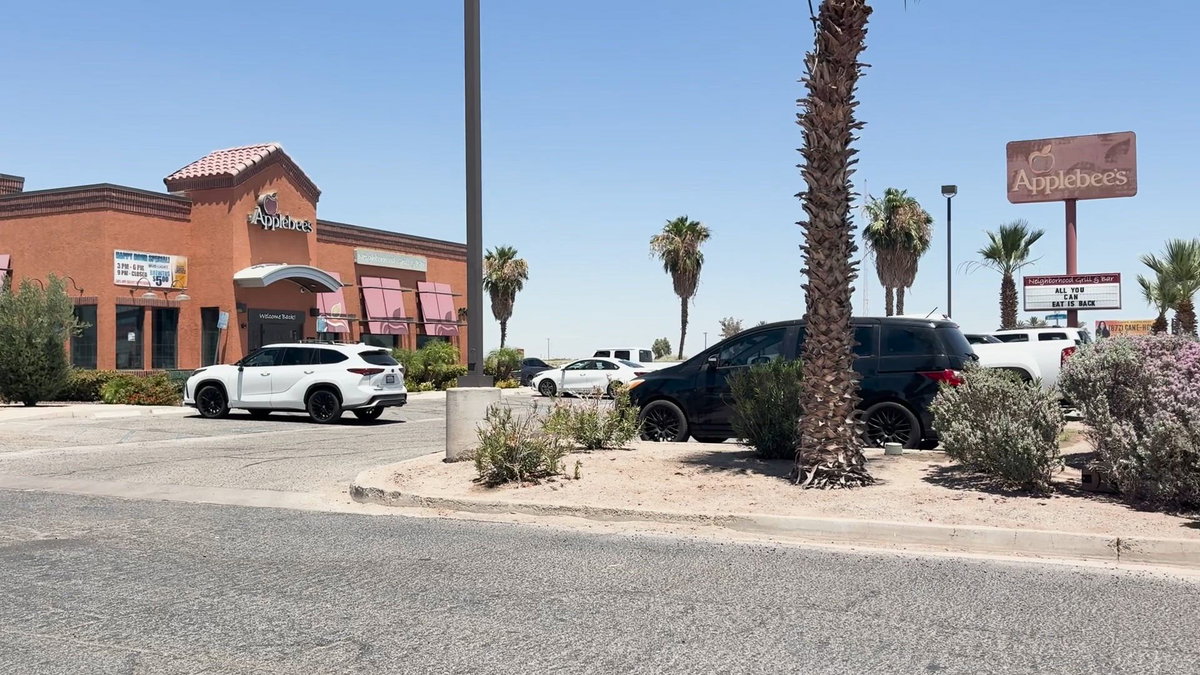
Applebee’s is closing its Calexico, California, restaurant on June 23, concluding over two decades of operation in the border city. This closure directly affects nearly 30 employees, underscoring the localized economic impact of strategic realignments within large franchise networks.
Franchise Consolidation and Operational Pressures
The Calexico closure is indicative of broader pressures affecting the Applebee’s brand, including previous closures tied to franchisee bankruptcies, such as the recent shuttering of 10 locations following a single franchisee’s financial distress. These events highlight systemic vulnerabilities within certain franchise operations, potentially linked to capital structures, regional market viability, or management execution, prompting a significant portfolio rationalization.
Dine Brands’ Dual-Brand Expansion Initiative
Parent company Dine Brands is accelerating its strategic pivot towards dual-branded IHOP and Applebee’s restaurants, aiming for 80 such locations by year-end and projecting 900 over the next decade. This aggressive expansion signals a capital allocation shift favoring an integrated model designed to enhance operational efficiencies and broaden market appeal through brand synergy.
The dual-branded initiative represents a substantial investment, leveraging shared infrastructure, marketing, and staffing to optimize costs and revenue generation per physical footprint. This model seeks to capture a wider demographic and mitigate risks associated with single-brand reliance in a competitive casual dining sector.
Market Dynamics and Competitive Landscape
The closure of established locations like Calexico’s Applebee’s, alongside the push for dual-branded outlets, demonstrates a strategic response to evolving consumer preferences and a challenging restaurant landscape. The casual dining segment faces persistent competition from fast-casual alternatives and shifting demographic demands, necessitating agile adaptation.
Dine Brands’ dual-branding strategy aims to create a more resilient business model capable of weathering market fluctuations by capitalizing on varied consumer occasions, from breakfast at IHOP to dinner at Applebee’s, within a single, optimized operational framework.
Impact on Local Economies and Labor Markets
The closure of nearly 30 jobs in Calexico highlights the immediate human capital impact of corporate decisions. For franchisees, adapting to corporate strategies, managing rising costs, and maintaining profitability in diverse markets presents immense challenges, as evidenced by bankruptcy-related closures. This can lead to a reallocation of skilled service industry workers, potentially causing localized labor shifts.
Capital Allocation and Future Growth Projections
Dine Brands’ commitment to opening 50 additional dual-branded locations this year, targeting 900 long-term, underscores a significant capital allocation towards this integrated model. Future investment is likely to heavily favor these combined-concept restaurants, potentially impacting standalone unit development.
The financial leverage of this strategy lies in achieving economies of scale and scope through shared resources, aiming to reduce per-unit operating expenses and enhance overall profitability, thereby justifying the capital expenditure for expansion.
Regional Economic Considerations
The closure in Calexico, a city with an economy influenced by its border location, could impact local consumer choice and employment. Such closures can affect commercial districts and reduce dining options, particularly in areas where chain restaurants serve as anchors.
The long-term viability of the dual-branded model in diverse regional markets is critical. Its adaptability to smaller or economically distinct markets like Calexico remains a key question for future performance, contrasting with potential success in densely populated areas.
Industry Trends and Strategic Responses
The restaurant industry’s intense competition and evolving consumer behaviors necessitate continuous adaptation. Applebee’s, as a major casual dining player, must evolve its operational and strategic framework to remain competitive.
The reported closures and strategic shift towards dual-branding are responses to industry-wide pressures. By innovating store formats and optimizing its brand portfolio, Dine Brands seeks to secure its market position and drive future growth.
Operational Efficiencies and Brand Synergy
The dual-branded concept hinges on achieving operational efficiencies through shared resources and synergistic brand management. This approach enables a streamlined supply chain, consolidated marketing, and potentially a more flexible labor model, improving cost structures.
Successful integration requires balancing distinct brand identities and customer expectations while maximizing the benefits of shared infrastructure and management.
Franchisee Relations and Capital Investment
Dine Brands’ significant investment in dual-branding signals a clear strategic priority that will shape capital deployment. This focus may influence capital availability for other initiatives or support for franchisees in traditional, single-brand formats.
Maintaining strong franchisee relations is crucial during this transition. Ensuring successful implementation of the dual-branded model or adequate support during unit closures is vital for a cohesive franchise network.
Performance Leverage and Market Penetration
The dual-branded strategy aims to enhance performance leverage by increasing market penetration and optimizing revenue per square foot. Catering to broader dining occasions seeks to capture a larger share of the local dining market.
The projected growth of 900 dual-branded locations reflects a long-term vision for market dominance and sustained revenue growth, indicating confidence in the model’s ability to deliver superior returns.
Strategic Implications for Competitors
Dine Brands’ aggressive push into dual-branded restaurants may compel competitors to re-evaluate their strategies. The success of this model could spur similar integrations or innovations aimed at improving efficiency and market reach.
Competitors will likely monitor these dual-branded locations closely, assessing their impact on market share and profitability, potentially leading to a broader industry trend towards hybrid concepts.
Consumer Perception and Brand Equity
Integrating IHOP and Applebee’s presents challenges for consumer perception. Dine Brands’ marketing and operational execution will be critical in shaping attitudes, maintaining quality, and sustaining positive brand equity across both concepts.
Operational Complexity and Management Challenges
Operating a dual-branded restaurant introduces complexity in menu management, kitchen workflow, staffing, and customer service. Seamless integration requires sophisticated planning and execution.
Management teams must adapt protocols and potentially cross-train staff to oversee dual-concept operations effectively, balancing unique brand identities with shared resources.
Financial Performance and Capital Markets
The financial performance of Dine Brands will be scrutinized through the lens of its dual-branded expansion. Investors will seek evidence of revenue growth, margin improvement, and strong returns on invested capital.
The success of this strategic pivot could significantly influence Dine Brands’ valuation in capital markets, impacting investor confidence and stock price.
Geographic Market Strategy and Site Selection
Site selection for dual-branded restaurants is critical, targeting locations that can support combined customer bases by considering population density, traffic, and competition.
The decision to close locations like Calexico’s while pursuing dual-brand expansion suggests a strategic rebalancing of the company’s geographic footprint, divesting from less promising markets and reinvesting in higher-growth potential models.
Adaptation to Local Market Conditions
While the dual-branded model offers economies of scale, its success depends on adapting to diverse local market conditions, including demographics, economic factors, and consumer preferences.
The Calexico closure raises questions about the applicability of broad corporate strategies to unique regional markets, emphasizing the need for informed portfolio management decisions.
The Role of Franchisee Bankruptcy in Strategic Decisions
Franchisee bankruptcies, leading to closures like the 10 Applebee’s locations, highlight significant risks within the franchise model. Such events necessitate strategic adjustments by the parent company.
Dine Brands’ response to franchisee distress reveals its approach to managing systemic risks and optimizing its portfolio, potentially integrating assets into its dual-brand initiatives.
Long-Term Sustainability of Casual Dining Formats
Ongoing closures and strategic shifts raise questions about the long-term sustainability of traditional casual dining formats amidst evolving consumer habits, including the rise of delivery and preference for faster service models.
Dine Brands’ dual-branded strategy can be seen as an attempt to future-proof its business, creating a more versatile and adaptable restaurant model to navigate industry transformations.
Impact on Brand Perception and Market Share
Consistent reporting of closures can negatively impact brand perception, while successful new concepts can generate positive attention. The net effect on Applebee’s market share will depend on balancing asset rationalization with successful expansion of promising formats.
Capital Restructuring and Franchisee Investment
Financial pressures leading to franchisee bankruptcies often involve complex capital restructurings, impacting investment requirements and risk profiles for franchisors and franchisees.
Dine Brands’ focus on dual-branding suggests a preference for investment models offering greater control and enhanced returns, potentially influencing capital availability for traditional single-brand franchisees.
The Calexico Closure as a Microcosm of Macro Trends
The Calexico closure serves as a microcosm of broader casual dining industry trends: the need for operational efficiency, strategic adaptation, and optimized capital allocation.
The decision to cease operations after two decades underscores the dynamic nature of the restaurant landscape, where even established establishments must adapt to evolving economic and consumer realities.
Future of Dine Brands’ Portfolio Management
The aggressive dual-branded expansion clearly directs Dine Brands’ future portfolio management towards consolidation, efficiency, and an integrated operational approach.
The success of this strategy will dictate the future composition of Dine Brands’ portfolio, potentially leading to a reduction in standalone units in favor of dual-concept locations.