Managing Aging Orbital Infrastructure
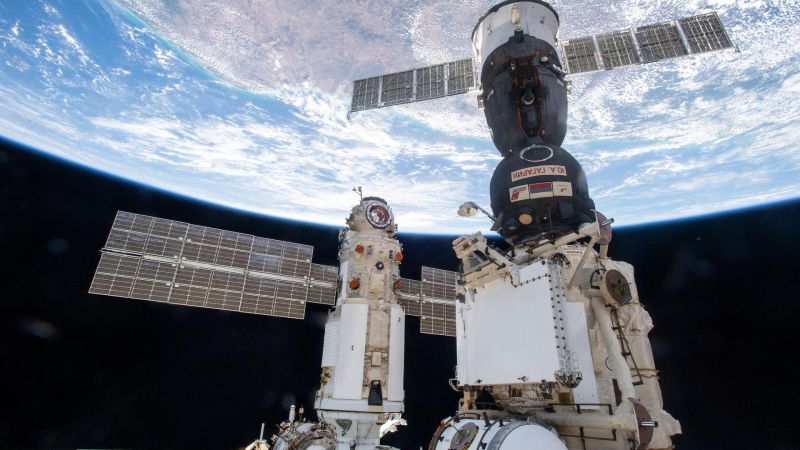
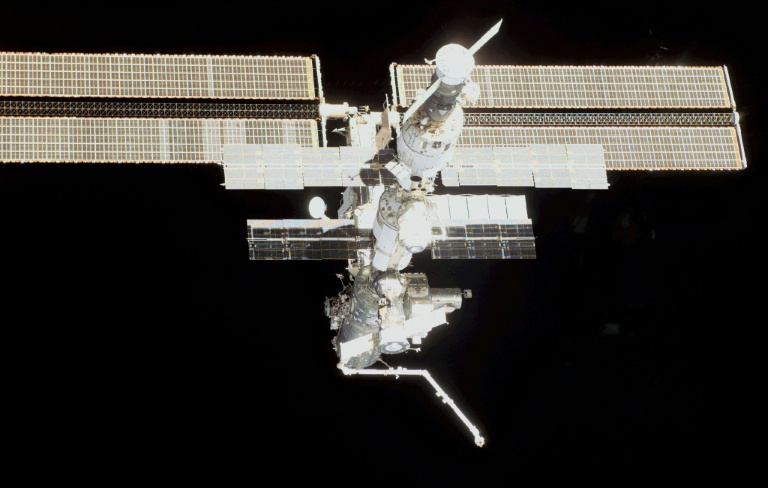
The recent safety alert aboard the International Space Station (ISS), requiring five crew members to shelter within a docked Dragon spacecraft, highlights the escalating challenges of maintaining an aging orbital platform. The incident, localized within the transfer tunnel (PrK) connecting the Zvezda service module to the docking hatch, illustrates the operational constraints inherent in sustaining a multi-national laboratory that has significantly exceeded its intended design lifespan.
By utilizing the Dragon spacecraft as a temporary safe haven, mission control mitigated risks associated with potential atmospheric instability in the Russian segment. This maneuver underscores the reliance on independent life-support systems to ensure personnel safety during diagnostic and repair phases.
Structural Degradation and Material Fatigue
Persistent leaks in the PrK tunnel indicate systemic material fatigue, common in pressurized modules subjected to cyclic stress in low Earth orbit. These malfunctions are not merely technical failures; they serve as critical indicators of the station’s declining structural integrity. Roscosmos’s move to suspend repairs for data analysis reflects a strategic, risk-averse approach: in a high-pressure environment, premature intervention risks exacerbating structural vulnerabilities and compromising station-wide pressure levels.
Institutional Coordination and Safety Protocols
The collaborative response between NASA and Roscosmos highlights the necessity of integrated risk management. Despite distinct administrative responsibilities, the preservation of crew safety remains a unified objective. The lifting of the safe haven order, based on rigorous telemetry assessment, demonstrates the effectiveness of ground control in synthesizing complex data to prevent unnecessary emergency evacuations, favoring a calibrated, analytical response over reactive measures.
Commercial Redundancy and Long-term Viability
The integration of the SpaceX Dragon as an essential safety component validates the inclusion of commercial assets within the ISS architecture. This layer of redundancy enhances the overall resilience of the program. As the station ages, the fiscal and operational burden of structural maintenance will continue to mount. Agencies now face a complex optimization problem: weighing the cost-prohibitive nature of deep-structural repairs against the remaining scientific utility of legacy modules.
Strategic Outlook for Future Platforms
This incident acts as a case study for future orbital missions. The transition toward commercial space stations necessitates a shift in design philosophy, prioritizing modularity and proactive diagnostic transparency. The ISS continues to operate at the edge of technical possibility, and its continued viability depends on the seamless synthesis of legacy maintenance practices with next-generation safety architectures.