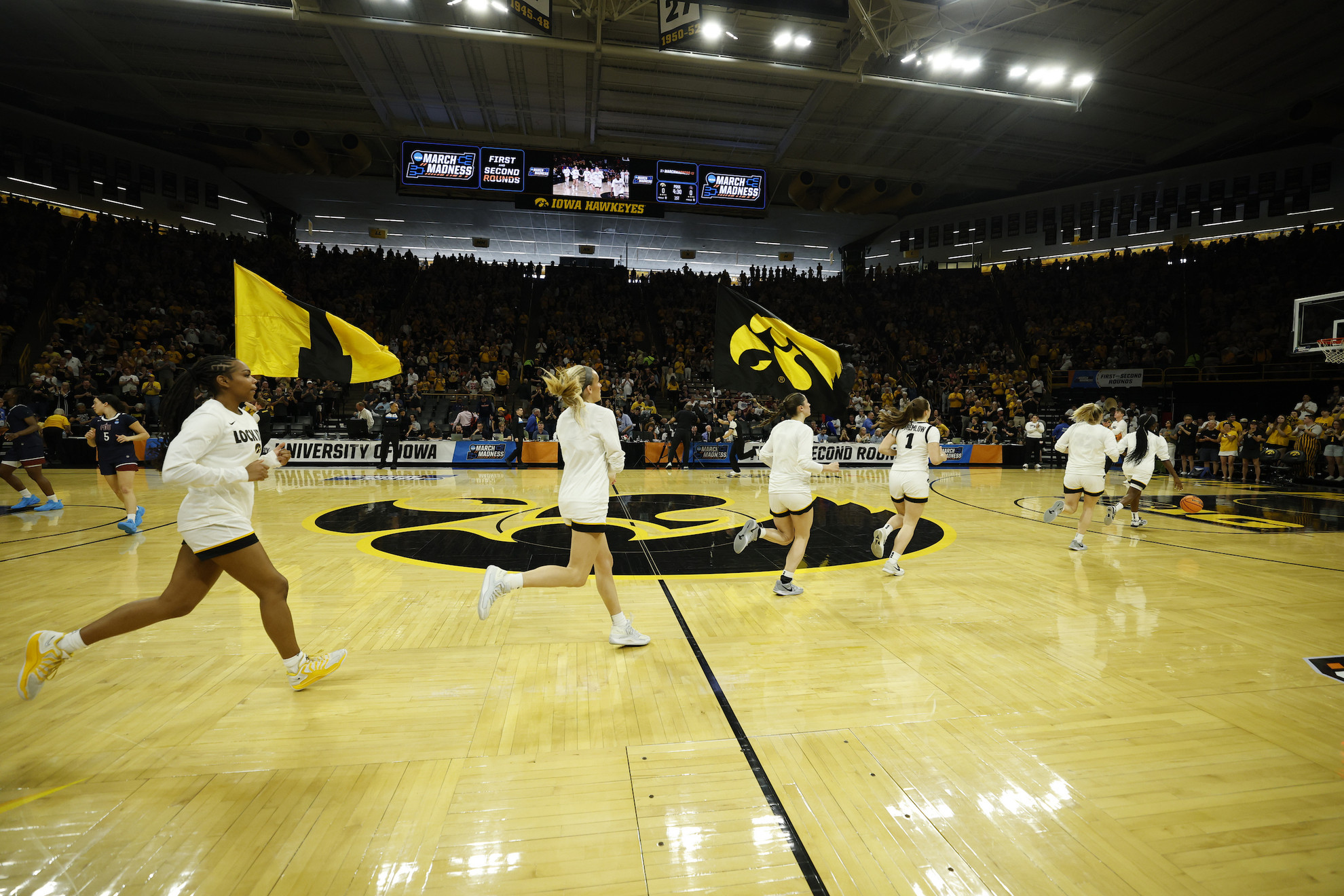
The University of Iowa Athletics department has executed a sophisticated logistical pivot ahead of Monday’s NCAA Women’s Basketball Tournament Second Round, addressing the high-density operational friction of a workday national matinee. The transition to a 1 p.m. CT Monday tip-off necessitates a rigorous reconfiguration of campus infrastructure, specifically managing the intersection of academic, medical, and athletic traffic. By prioritizing ADA access in Lot 46 and Lot 75 while redirecting public parking to peripheral corridors such as Finkbine and the Hall of Fame lots, the institution is mitigating the conflict between standard university utility and the capacity demands of a televised ESPN event.
Strategic implications for the visiting Virginia Cavaliers are defined by a grueling competitive trajectory. As a No. 10 seed, Virginia enters the Second Round having navigated the First Four against Arizona State and an overtime victory against No. 7 seed Georgia. This ‘Midwest marathon’—three high-intensity games in a five-day window—introduces a significant metabolic and physiological tax. While their extended residency in Iowa City provides environmental familiarity, the cumulative fatigue tests the depth of the Cavaliers’ rotation against a rested opponent.
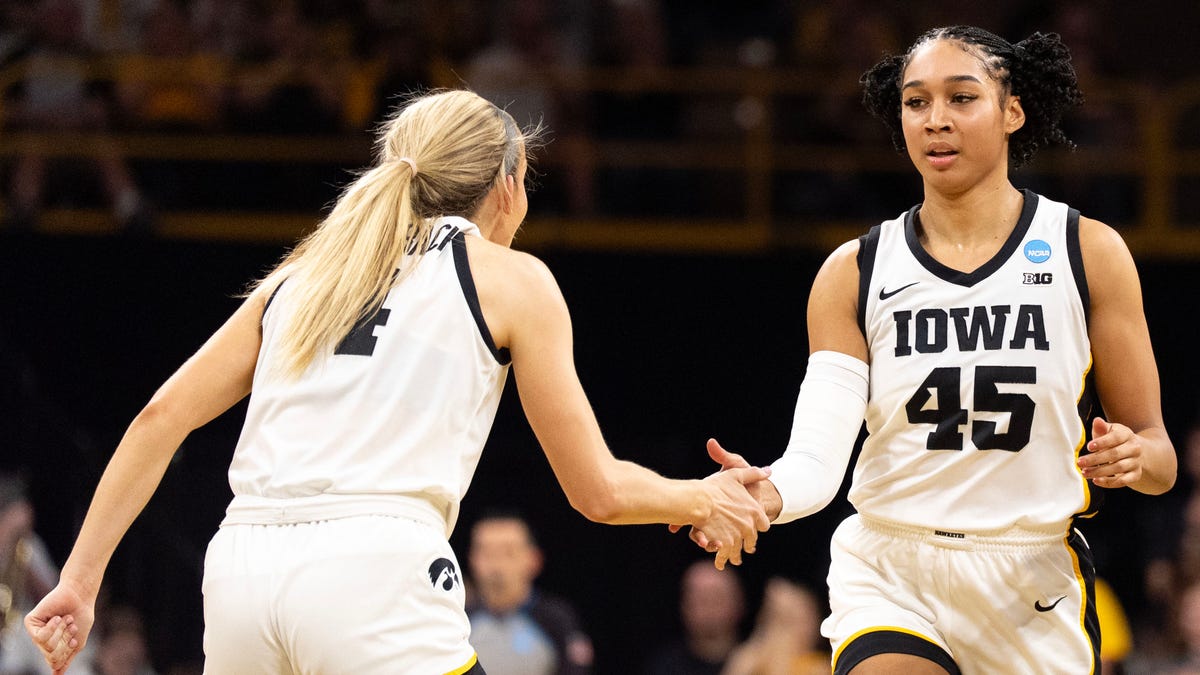
For the No. 2 seed Iowa Hawkeyes, the contest is a crucible of psychological recalibration. Following a narrow 58-48 opening victory over No. 15 seed FDU—a performance marked by uncharacteristic offensive stagnation—the youthful Iowa roster must demonstrate the capacity to ‘snap and clear.’ The challenge lies in reconciling the immense pressure of home-court expectations with the tactical necessity of an up-tempo game designed to exploit Virginia’s potential exhaustion.
Logistical Infrastructure and Urban Management
The exclusion of Hancher parking and the reliance on the CAMBUS Hawk-Lot Hospital route underscores the physical limitations of the Carver-Hawkeye Arena footprint during peak weekday hours. This tiered parking strategy ensures ADA compliance through Lot 73 and Lot 46, preventing the disenfranchisement of vulnerable spectators while steering the general public toward downtown ramps. This distribution effectively spreads the economic load across municipal infrastructure, potentially boosting secondary commercial impact in the city’s core.
The granular management of Lot 11 and Route 41 transit suggests a highly integrated city-university mobility plan. Successful execution is mandatory to satisfy strict NCAA broadcast windows, requiring the arena to be fully operational without disrupting the essential functions of the University of Iowa Hospitals and Clinics. This operational success serves as a proof-of-concept for the university’s capacity to host premier national events under restrictive weekday conditions.
Competitive Endurance and Psychological Resilience
Virginia’s path represents a study in momentum versus attrition. Their overtime win against Georgia showcased situational toughness that can often override physical weariness. However, facing a No. 2 seed that has had a traditional tournament cadence creates a steep uphill climb in late-game execution. Iowa’s strategic advantage centers on pace; by forcing a high-possession game, the Hawkeyes can test Virginia’s aerobic limits and mental sharpness in the closing quarters.
Psychologically, the disparity in positioning is stark. Virginia operates with the ‘nothing to lose’ freedom of a successful underdog, whereas Iowa must overcome the ‘near-meltdown’ anxiety observed in the first round. The coaching staff’s ability to stabilize Iowa’s offensive fluidity will determine if the FDU game was a systemic vulnerability or a temporary anomaly. Ultimately, the matchup is a microcosm of the modern tournament: a high-stakes intersection of athletic endurance, institutional logistics, and commercial broadcast demands.