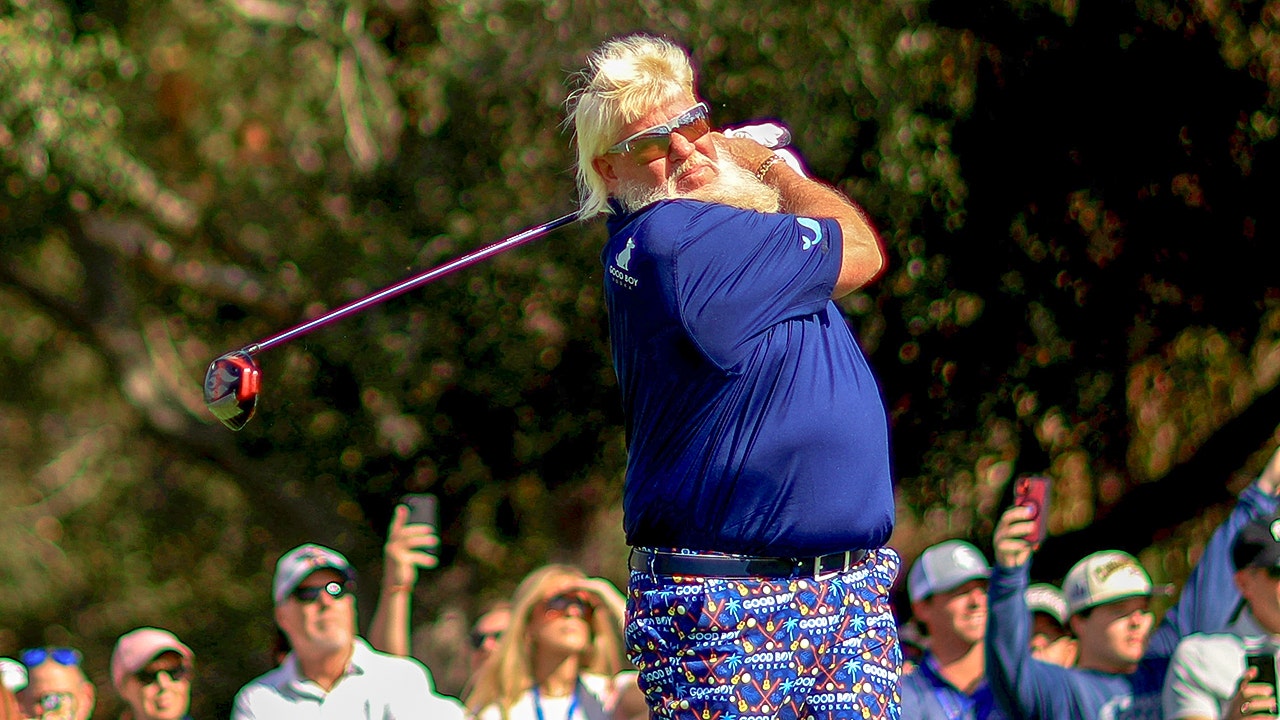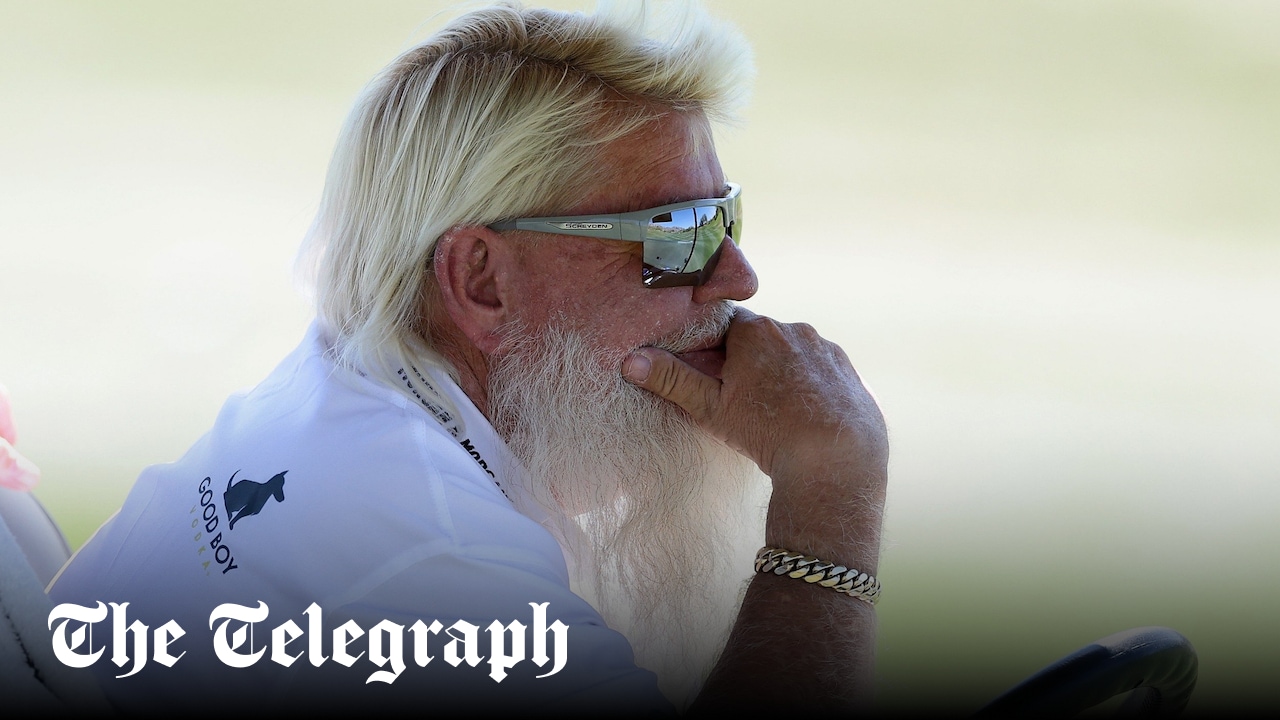
John Daly’s recent tumble at the Cologuard Classic serves as a potent case study in the operational risks inherent to senior-level professional golf. Occurring at La Paloma Country Club, the incident—where Daly descended into a desert penalty area following a hook shot—highlights the precarious friction between aggressive competitive execution and the physiological constraints of a veteran athlete. While Daly framed the event through his trademark humor, the mishap underscores significant institutional stakes regarding player safety and career longevity in the PGA Tour Champions circuit.
The Architecture of Physical Vulnerability
The severity of this fall is underscored by Daly’s clinical history, specifically the 16 surgeries he has undergone over the past four years to address issues like tangled hand tendons. For a professional golfer, hand and joint integrity are primary operational assets; consequently, an uncontrolled fall on abrasive, unstable terrain represents a systemic threat to competitive viability. That Daly avoided acute injury is less a matter of course design than a fortunate bypass of career-ending complications, given his existing surgical load and the structural fragility of his extremities.
In the high-stakes environment of the over-50 tour, the physical resilience of marquee players like Daly is foundational to the tour’s commercial ecosystem. Daly’s chronic state of physical maintenance narrows the margin for error during exertion. A desert slope—characterized by loose scree and hazardous flora—tests the structural integrity of previous surgical interventions. This event forces a re-evaluation of the risk-reward calculus: when an athlete with high physical exposure engages with hazardous topography, the objective shifts from stroke-play recovery to long-term career preservation.
Competitive Volatility and Performance Trajectory
At the time of the incident, Daly was demonstrating a rare return to form, playing his first 10 holes at four under par. This momentum suggested a potential first top-10 finish in nearly three years, a milestone with significant implications for tournament exemptions and ranking points. The hook shot on the 508-yard par-five was not merely a technical error but a disruption of a high-value performance window. The financial stakes for veteran players are substantial, as top-tier finishes dictate sponsorship incentives and future purse access.
The transition from a leaderboard climb to a physical emergency illustrates the inherent volatility of senior sports. For Daly, the operational failure of his footing became a high-cost event, negating hours of elite execution. The loss of momentum in this critical phase underscores the fragility of competitive windows for athletes approaching their sixth decade, where physical recovery often lags behind the demands of a multi-day tournament schedule.
Operational Dynamics: The Caddie as Safety Interventionist
The role of Joel Cooley during the fall redefined the traditional scope of caddie responsibilities. Cooley, a Nashville singer-songwriter by trade, transitioned from technical advisor to first responder. His immediate leap into the desert terrain to stabilize Daly reflects a necessary situational awareness in environments where medical assistance is geographically delayed. This interaction highlights the player-caddie relationship as a critical safety unit within the professional golf ecosystem, particularly in rugged topographies like La Paloma.
Media Leverage and Brand Resilience
Daly’s strategic decision to frame the fall using the ‘Jackass’ franchise aesthetic demonstrates sophisticated brand management. By overlaying the iconic theme music and self-deprecatingly labeling himself a ‘jacka–‘, Daly successfully converted a physical failure into a viral media asset. This maneuver ensures he remains a central figure in golf discourse, regardless of his final score. While the public consumes the event as entertainment, the institutional reality remains one of risk management, where the athlete must balance a ‘larger-than-life’ persona against the stark realities of physical decline.
Institutional Implications of Desert Topography
The incident necessitates a review of the institutional risks associated with desert course design. Unlike parkland rough, desert penalty areas feature steep gradients and loose sand that increase the probability of accidents. For the PGA Tour Champions, where the field possesses extensive medical histories, these environmental factors pose an asymmetric risk. Ensuring that the aesthetic and difficulty of a course do not compromise participant safety remains a primary challenge for tournament organizers and course architects alike.