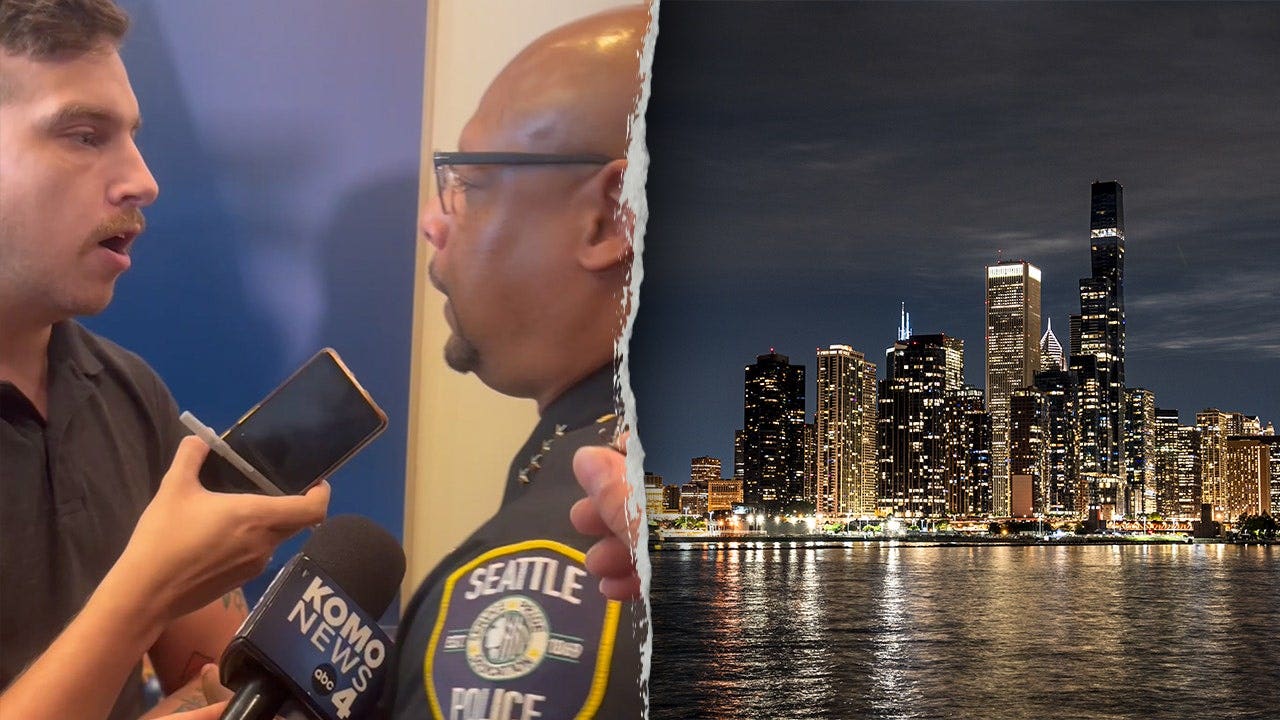
The convergence of executive absenteeism and operational failure has triggered a governance crisis within the Seattle Police Department. Following a mass casualty event at the Seattle Center—resulting in three fatalities—Chief Shon Barnes faces a dual-front critique: the breakdown of immediate crisis communication and a documented pattern of frequent out-of-state travel. This intersection of personal mobility and professional negligence has exposed systemic vulnerabilities in the department’s command redundancy.
Operational Latency and the Information Vacuum
The five-hour silence from official channels following the initial gunfire represents more than a PR oversight; it signifies a collapse in modern crisis management. In a digital-first landscape, such informational latency creates a vacuum for misinformation, eroding institutional trust. This delay suggests an overly centralized approval hierarchy that lacks the decentralized authority necessary to manage high-stakes threats when the primary executive is off-site. The inability of Mayor Katie Wilson’s administration to provide a timely narrative further highlights a failure in the city’s broader emergency response framework.
The Strategic Conflict of Professional Development
Chief Barnes’s attendance at the National Organization of Black Law Enforcement Executives (NOBLE) conference during the shooting underscores the friction between national professional networking and local operational presence. While strategic development is vital, the optics of an absent leader during a gang-related mass shooting provide a catalyst for critics to question the prioritization of executive stature over municipal stability. The defense that violence is unpredictable is factually sound but administratively insufficient, failing to account for the lack of a robust, visible contingency command structure.
The ‘Commuter Executive’ Model and Public Trust
Public records indicating Barnes was outside Seattle nearly a dozen times in four months—including personal travel to Chicago—have introduced the “commuter executive” narrative into the political discourse. This perceived geographic detachment erodes the social contract essential for community policing. The department’s recent defensive posture, characterized by a last-minute cancellation of a KOMO News interview, suggests a tactical retreat that further cedes control of the narrative to external critics and heightens demands for residency transparency.
The Replacement Paradox and Political Risk
Mayor Wilson faces the ‘replacement paradox’: while the current leadership is embattled, the resource-intensive process of recruitment and vetting a new chief could exacerbate institutional instability. However, defending a chief whose personal logistics have become a primary distraction carries a high political cost. The outcome of this crisis will likely hinge on whether the department transitions from a posture of secrecy to one of radical transparency, necessitating an audit of executive travel and a fundamental reset of crisis communication protocols.