Institutional Friction at the Intersection of Sports and Governance
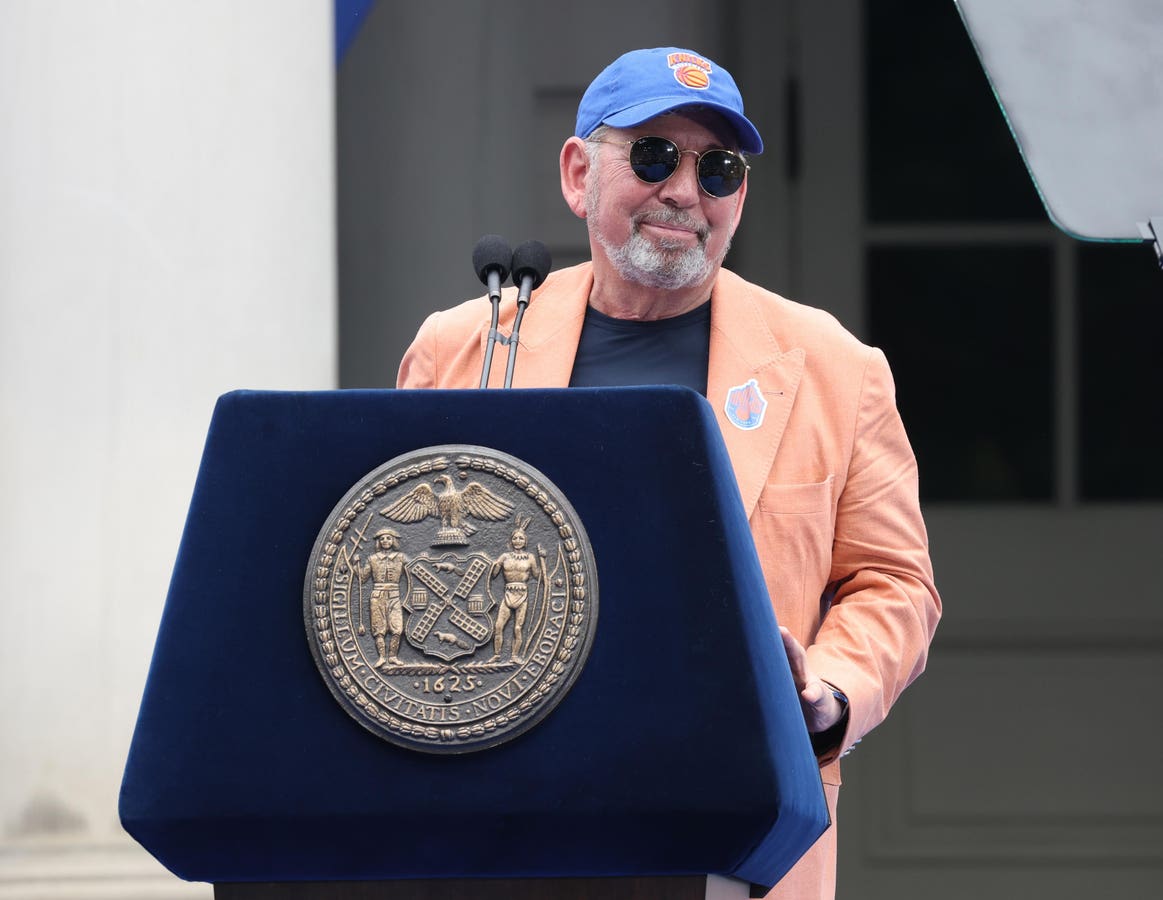
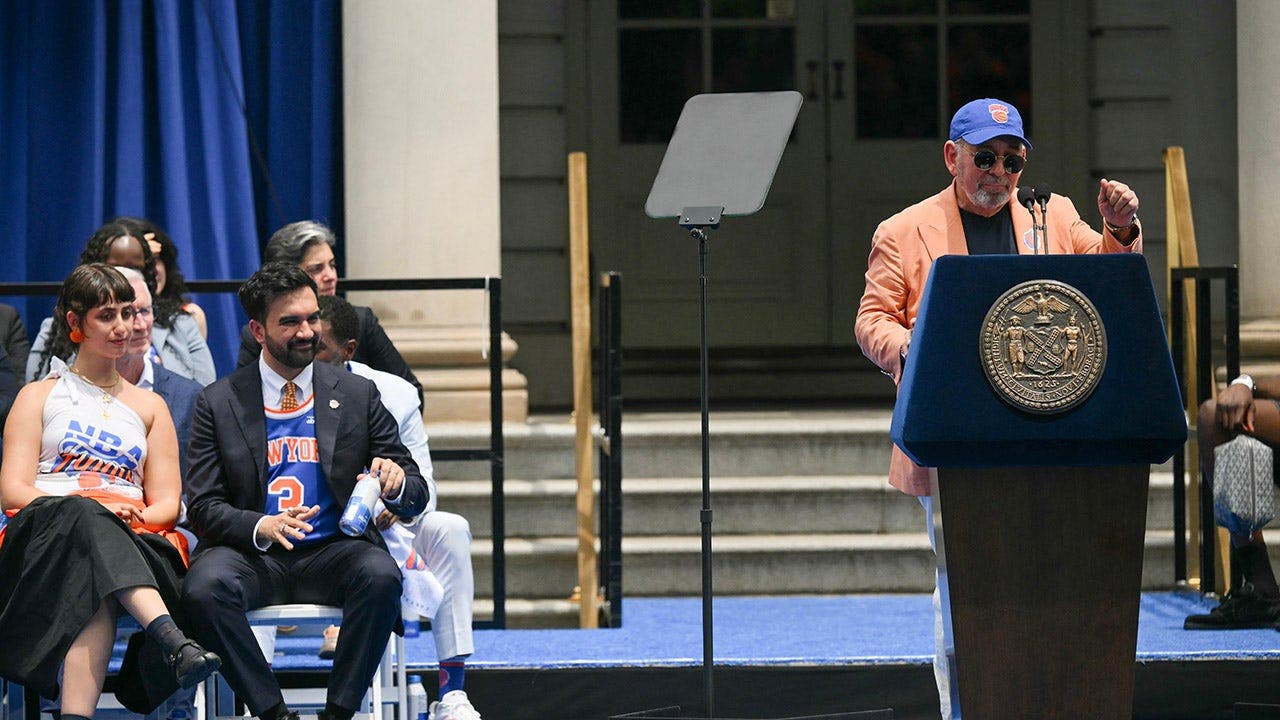
The New York Knicks’ championship celebration at City Hall served as a high-profile stage for a widening divide between team owner James Dolan and Mayor Zohran Mamdani. While intended to celebrate the franchise’s first title in 53 years, the event highlighted a systemic breakdown between private sports ownership and municipal leadership.
Originating from disputes over public watch-party logistics, the conflict escalated when Dolan questioned Mamdani’s fandom. This public exchange represents a marked departure from the cooperative relationship typically cultivated between professional sports franchises and local city administrations.
The Strategic Significance of Symbolic Gestures
During the ceremony, tensions were expressed through deliberate symbolic acts. Mayor Mamdani’s reference to Charles Oakley—a figure central to the ongoing friction between the franchise and its historical alumni—served as a calculated challenge to Dolan’s narrative control. By invoking the 2017 Madison Square Garden banishment in the owner’s presence, the mayor utilized his platform to confront the organization’s internal history.
Dolan’s response, characterized by a refusal to participate in a traditional photo opportunity during the presentation of the keys to the city, functioned as a rejection of expected civic performativity. His public comment—asserting that his ownership does not rely on the mayor’s political mandate—effectively decoupled the franchise’s success from the city’s political apparatus.
Operational Implications for Stakeholders
This public standoff carries significant operational risks. As a major entity integrated into New York City’s infrastructure, Madison Square Garden Sports relies on consistent municipal cooperation for security, permitting, and logistical needs. The deterioration of these diplomatic relations introduces unpredictability into future public-private partnerships.
For investors, this adversarial stance toward local government creates potential bottlenecks. Franchise stability is often contingent upon seamless integration with municipal regulatory environments; when these relations are compromised, administrative friction can increase, potentially impacting the operational efficiency of the organization’s urban assets.
Narrative Control and Organizational Autonomy
Dolan’s insistence that his core fan base understands the context of the dispute suggests a strategy of insulating the brand from external criticism. By framing the conflict as a matter of insider loyalty versus outside interference, the ownership prioritizes internal cultural preservation over broader political consensus.
Conversely, the mayor’s use of the podium to challenge private authority illustrates the increasing volatility of power dynamics in major metropolitan markets. Such disputes dictate the future terms of engagement between sports franchises and their host cities, particularly as owners seek greater autonomy from local administrative oversight.
Broader Institutional Alignment
The team’s scheduled White House visit, viewed alongside Dolan’s history of engagement with federal figures, suggests a strategic pivot. By leveraging federal-level political capital, the ownership appears to be establishing a power base that exists independently of local municipal constraints. As the organization maneuvers through these competing layers of governance, its ability to maintain operational stability while navigating such political friction remains a critical long-term concern.