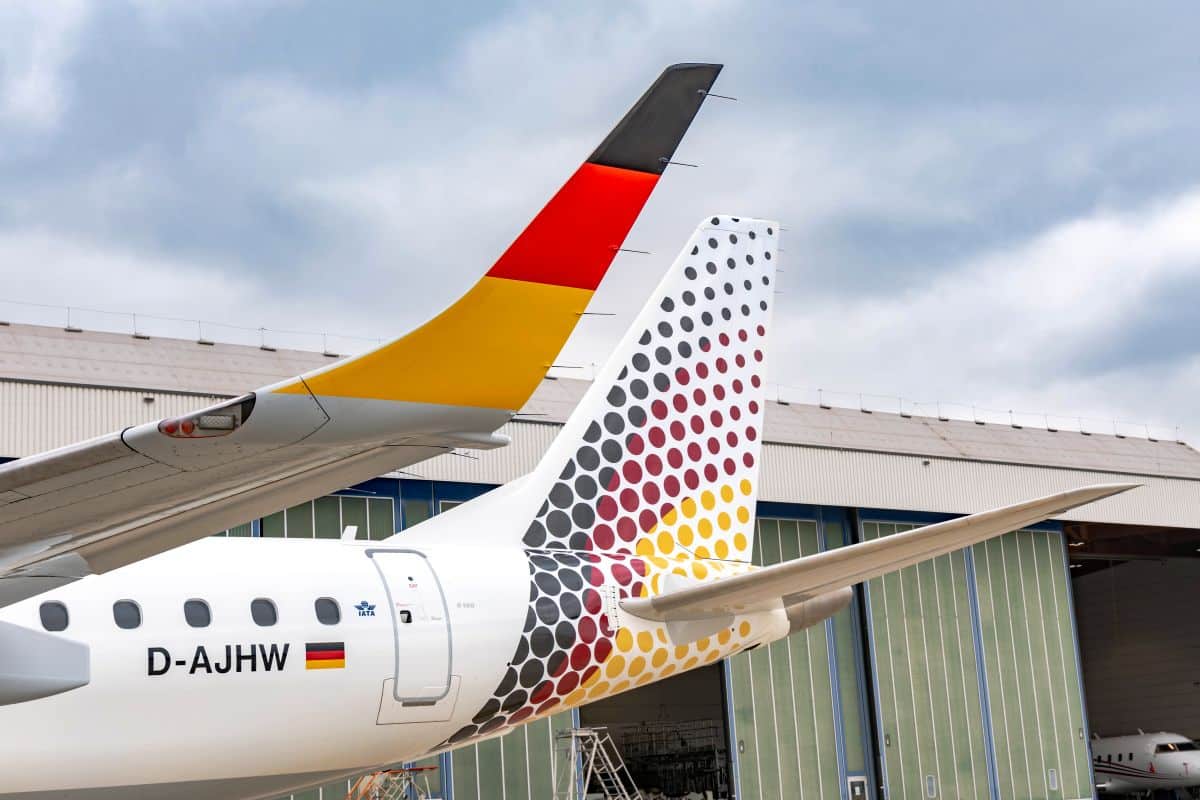
The strategic architecture of Condor’s Frankfurt (FRA) hub is undergoing a fundamental realignment ahead of the Summer 2026 season. By formalizing a wet-lease agreement with German Airways for Embraer E190-100LR regional jets, Condor is transitioning from a legacy of inter-carrier dependency toward a vertically integrated, self-managed feeder infrastructure. This maneuver is a direct response to the asymmetric competitive pressures within the German aviation market.
Strategic Insulation and the Lufthansa Exit
The primary driver of this shift is the termination of a long-standing feeder contract by Lufthansa. While an interlining framework persists, it lacks the operational guarantees essential for high-frequency hub synchronization. Condor’s move to internalize its short-haul connectivity is a defensive necessity; without dedicated feeder capacity, the airline risks destabilizing its long-haul load factors and yielding market share to its primary domestic rival. Under CEO Peter Gerber, Condor is prioritizing strategic autonomy to mitigate the planning volatility inherent in third-party reliance.
ACMI Efficiency and Fleet Right-Sizing
The selection of German Airways under an ACMI (Aircraft, Crew, Maintenance, and Insurance) structure provides Condor with immediate scalability without the balance-sheet burden of capital-intensive fleet expansion. The Embraer E190-100LR acts as a precision tool for “city connections,” offering the ideal seat-count for domestic and near-European routes where wide-body or mainline narrow-body capacity would be economically inefficient. This tiered fleet strategy ensures that Condor’s primary Airbus assets remain concentrated on high-yield leisure routes, maximizing network-wide revenue per available seat kilometer (RASK).
Slot Defense and Hub Integrity at FRA
At a capacity-constrained hub like Frankfurt, the introduction of dedicated regional flights serves a dual purpose: passenger volume and slot preservation. In a “use-it-or-lose-it” regulatory climate, these feeder operations act as a defensive moat, protecting valuable takeoff and landing sequences from competitive encroachment. By controlling the “circulatory system” of its network, Condor gains granular oversight of connection windows, reducing the financial exposure associated with passenger re-accommodation and missed connections during peak summer periods.
Financial Risk Mitigation and Market Positioning
Beyond operational logistics, the wet-lease agreement functions as a hedge against labor market instability and the prolonged timelines associated with crew training and aircraft certification. By outsourcing technical risk to German Airways, Condor maintains the agility to adjust regional capacity based on real-time demand signals. This evolution toward an independent hub model enhances Condor’s institutional profile, signaling to investors a transition from a dependent leisure carrier to a resilient, multi-tiered aviation group capable of competing directly for regional market share in a post-consolidation European landscape.