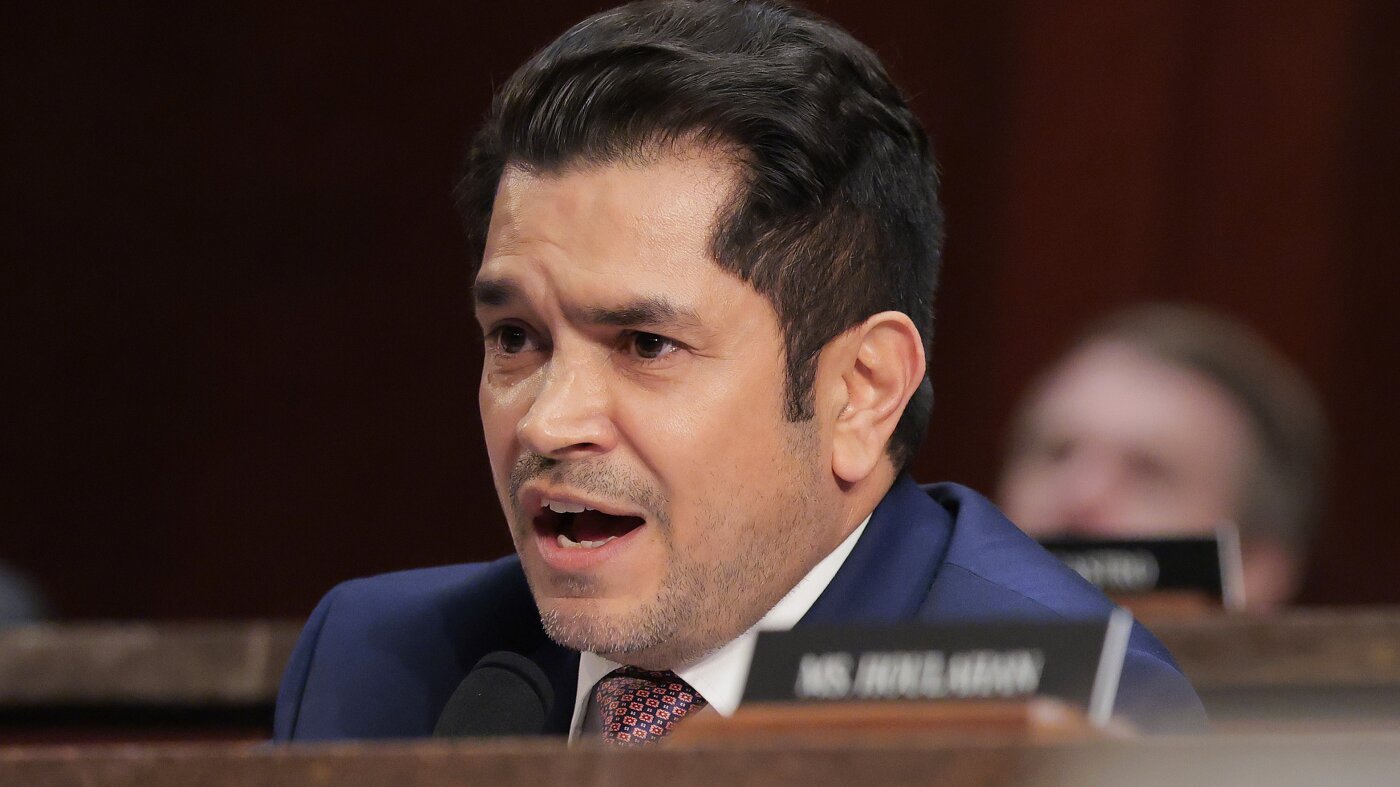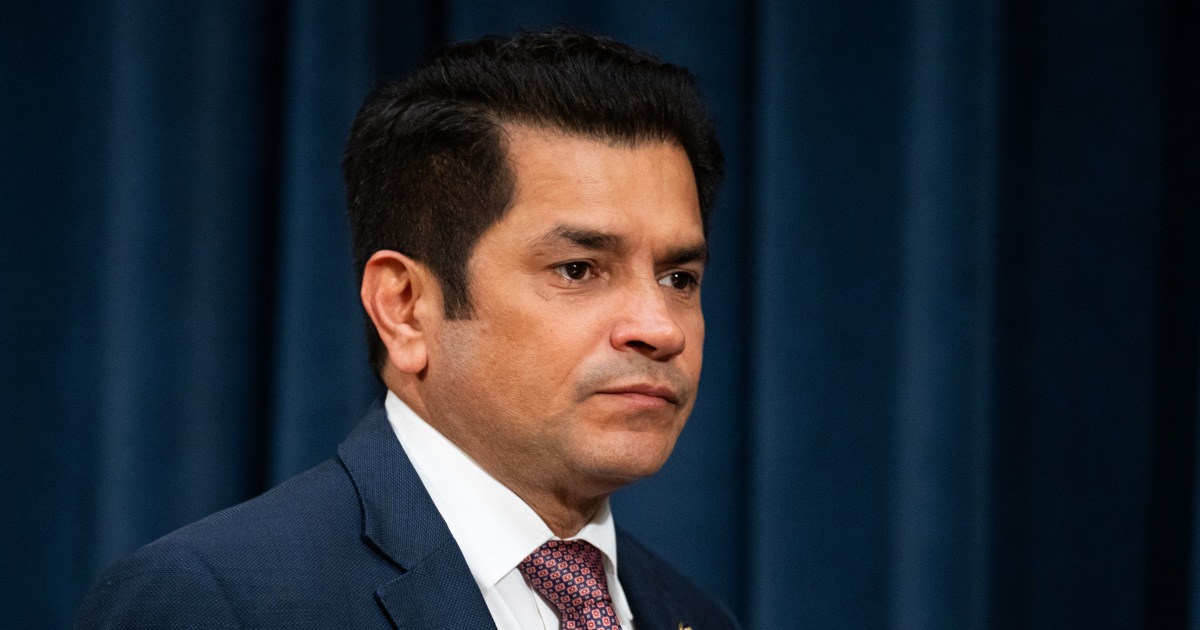
The House Ethics Committee has formally transitioned its inquiry into Representative Jimmy Gomez (D-CA) into a full procedural review. This escalation follows preliminary scrutiny of allegations involving inappropriate sexual contact with a congressional staffer. While the committee’s leadership, Chairman Michael Guest (R-MS) and Ranking Member Mark DeSaulnier (D-CA), noted that this disclosure does not equate to a finding of guilt, it signals that the panel has identified sufficient cause to move beyond initial fact-finding.
Institutional Framework: The Rule 18(a) Mechanism
The investigation is being conducted under Committee Rule 18(a), which grants the bipartisan panel the authority to investigate allegations of misconduct that may contravene the Code of Official Conduct. This specific rule is often invoked when the committee determines that public interest or the gravity of the allegations necessitates a more formalized investigative phase. The focus remains on whether the congressman’s behavior violated standards governing professional boundaries between members and legislative staff.
Strategic Defense and the ‘Consensual’ Narrative
Representative Gomez has adopted a bifurcated defense strategy, acknowledging personal infidelity while denying institutional violations. In public statements, Gomez admitted to “personal mistakes” within his marriage but emphasized that the interactions in question were consensual. From an ethics standpoint, this distinction is critical: the committee’s mandate focuses on whether the conduct involved coercion, a power imbalance, or a breach of the professional environment mandated by House rules. By framing the matter as a private moral lapse rather than a professional one, Gomez’s team seeks to decouple his personal life from his official standing.
Political Fallout for the Congressional Dads Caucus
The investigation creates significant reputational risk for Gomez’s signature legislative initiative, the Congressional Dads Caucus, which he founded in 2023. The caucus focuses on family-centric policies such as paid leave and childcare. The contrast between his public advocacy for family stability and his admitted personal conduct creates a narrative dissonance that could erode his leverage as a leading voice on family policy. The degree to which he remains the face of this caucus will likely depend on the duration and eventual findings of the Ethics Committee.
Timeline of Media and Regulatory Momentum
The formalization of the probe follows a timeline of increasing media visibility. Initial reports regarding Gomez’s conduct surfaced in April, followed by a June confirmation from CNN that an ethics review was underway. This sequence illustrates the committee’s typical trajectory—moving from private complaints to media exposure and, finally, to a public announcement of a Rule 18(a) review. This procedural progression suggests that the committee has moved past the threshold of mere speculation into active evidence collection and witness testimony.
Operational Constraints and Future Outcomes
While the investigation proceeds, Gomez faces potential operational challenges in the House. Members under active ethics review often experience diminished influence in committee assignments and legislative negotiations. The final determination will hinge on how the committee interprets the House Code of Official Conduct regarding ‘inappropriate contact’ between members and staff, regardless of consent. Sanctions, if recommended, could range from a letter of reproval to more formal disciplinary measures, fundamentally altering Gomez’s political trajectory in California’s 34th district.