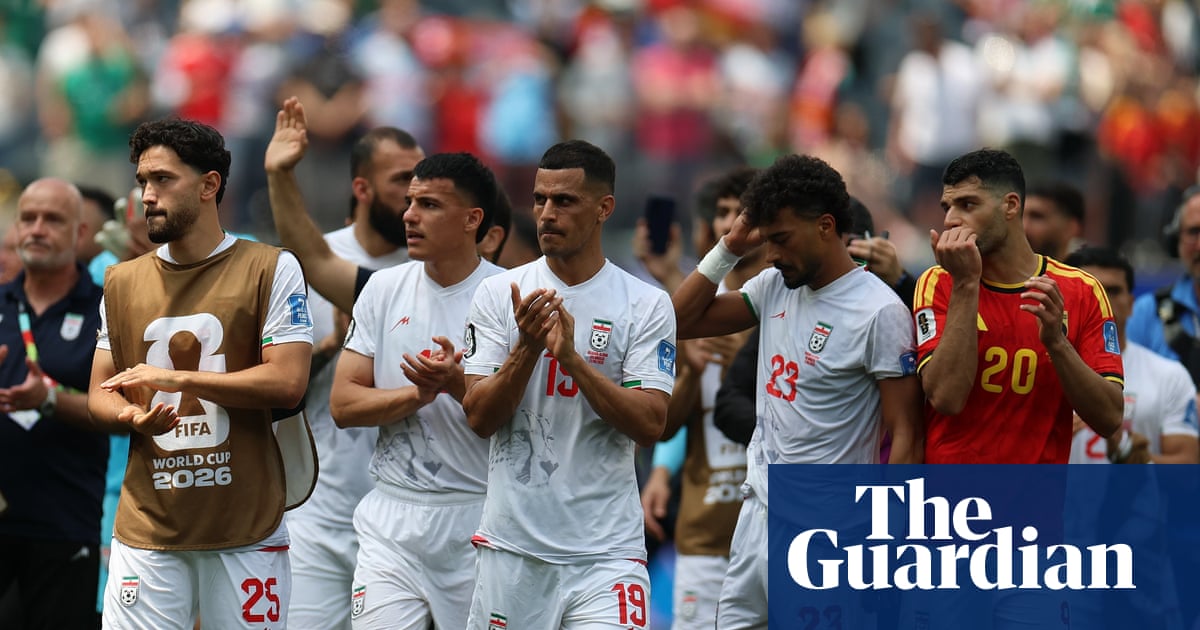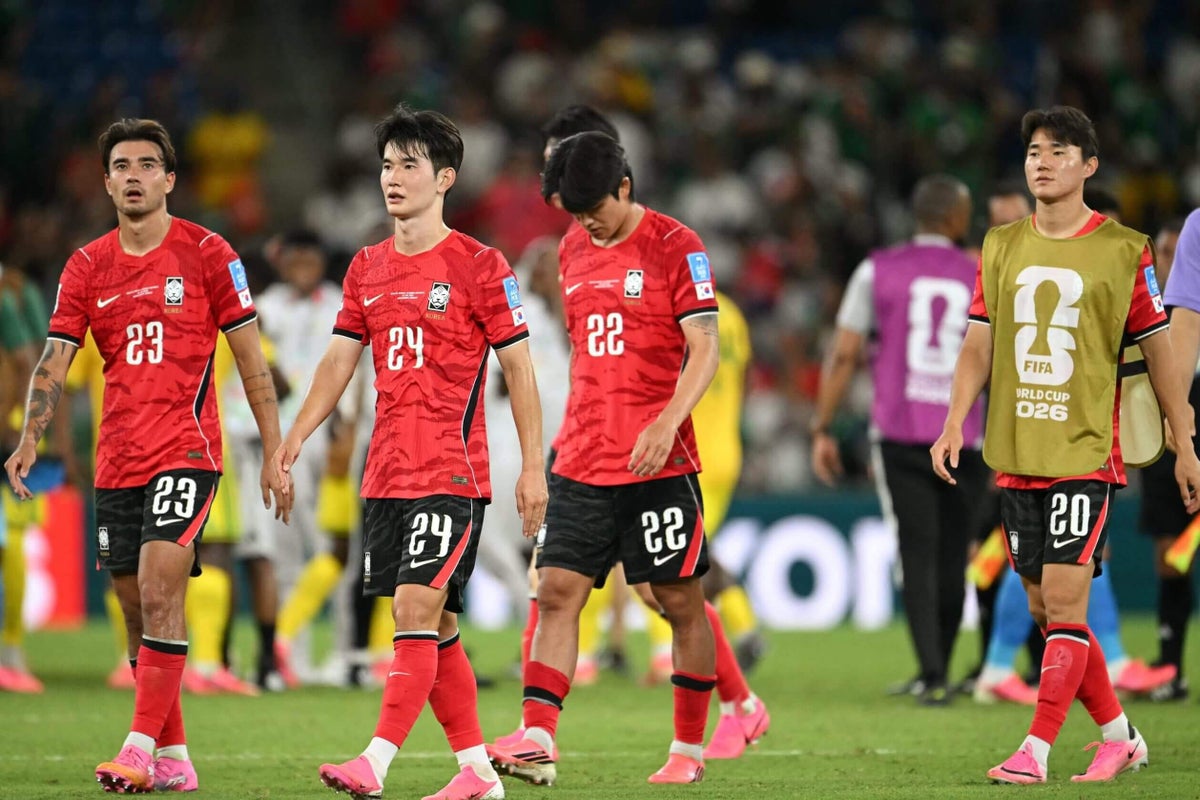
The resignation of South Korean head coach Hong Myung-bo represents more than a standard managerial departure; it marks a volatile intersection of athletic failure and executive intervention. Following a public condemnation by President Lee Jae Myung, the South Korean Football Association (KFA) has been thrust into a formal government investigation. This shift from sporting accountability to state-led scrutiny suggests a fundamental breakdown in the perceived autonomy of the nation’s footballing governance.
Executive Intervention and the Meritocracy Mandate
President Lee Jae Myung’s decision to mobilize the sports ministry indicates that the national team’s performance is being treated as a failure of public policy. By characterizing the KFA’s administrative culture as ‘factional’ and ‘incompetent,’ the President has pivoted the narrative away from pitch-side tactics toward institutional integrity. The central allegation suggests that internal loyalties within the KFA executive board have consistently bypassed professional merit in the selection of technical staff.
The immediate catalyst for this scrutiny was the timing of Hong Myung-bo’s 2024 appointment. Despite his status as a legendary figure with 136 caps, his tenure was clouded by perceptions of procedural negligence. The President’s critique—framing the outcome as ‘clear as day’ when professional standards are ignored—forced an untenable situation for Hong, whose exit confirms the overwhelming weight of executive pressure in the current political climate.
Strategic Stagnation in the 48-Team Format
South Korea’s exit from the 2026 World Cup serves as a case study in the risks of the expanded tournament format. Despite entering Group A as the second-highest ranked team and securing a victory over the Czech Republic, the squad failed to adapt to the tactical exigencies of the three-game group stage. Losses to Mexico and South Africa exposed a strategic rigidity that the KFA failed to mitigate during the preceding two-year preparation cycle.
Under the new format, which permits the top eight third-place teams to advance, South Korea’s three-point total was theoretically competitive but ultimately insufficient due to an inferior goal difference. This statistical failure was exacerbated by Senegal’s 5-0 routing of Iraq, illustrating the necessity of goal accumulation in tie-break scenarios—a strategic nuance South Korea ignored. The inability to secure a knockout berth amidst these razor-thin margins has been labeled ‘dismal’ by national media, emphasizing the gap between FIFA rankings and on-field execution.
Institutional Erosion and the Path to Reform
The KFA now faces a technocratic overhaul. The sports ministry’s inquiry will likely dissect the technical committee’s decision-making frameworks, focusing on whether the ‘us versus them’ culture described by the President compromised the squad’s preparation. This investigation threatens to diminish the KFA’s operational independence, potentially introducing external auditors to oversee future appointments.
The financial and reputational fallout is equally significant. A group-stage exit devalues the national team’s commercial partnerships and erodes public trust. To restore institutional credibility, the KFA must manage a leadership vacuum while demonstrating a transition toward a merit-based selection process. The end of the Hong Myung-bo era thus signals a broader mandate for reform: the South Korean state is no longer a passive observer of sporting decline but an active architect of its restructuring.