
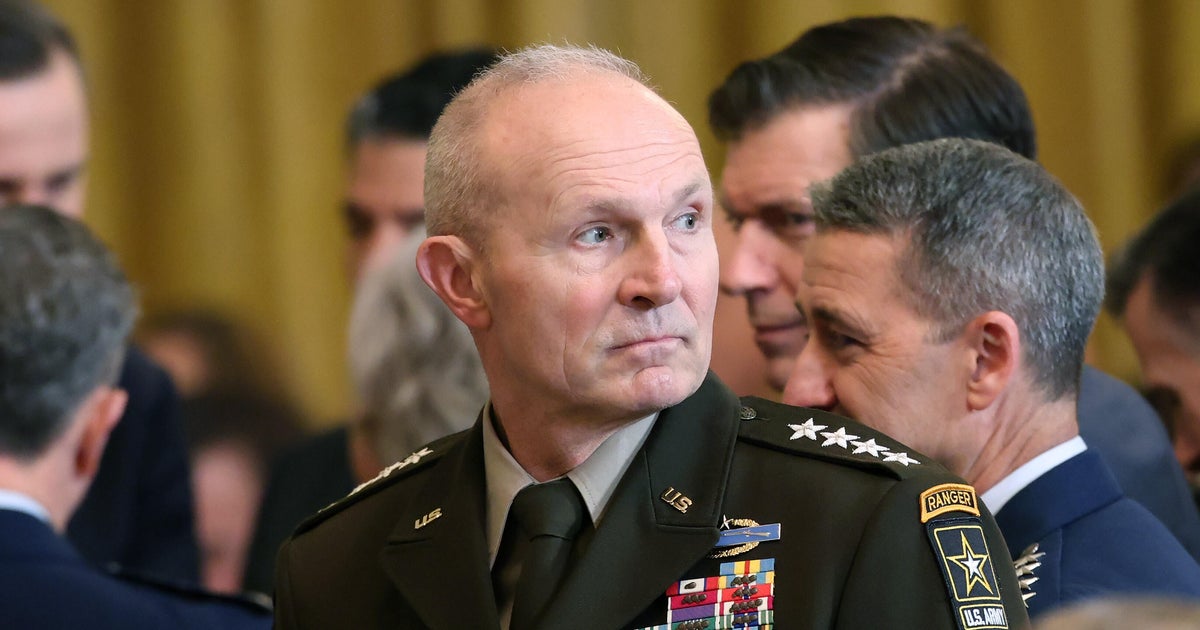
The abrupt removal of General Randy George as the 41st Chief of Staff of the Army signifies an aggressive restructuring of the Department of Defense’s operational hierarchy. By mandating George’s immediate retirement, Defense Secretary Pete Hegseth has signaled a definitive break from the era of military continuity, specifically targeting leadership tethered to former Secretary Lloyd Austin’s institutional framework.
This command vacuum is a calculated maneuver to bypass institutional inertia and facilitate the rapid implementation of an executive-driven strategic vision. This realignment transcends mere administrative turnover; it represents a fundamental pivot toward a command structure synchronized with Hegseth’s ideological and policy objectives.
Dismantling Institutional Continuity
The ouster of General George—formerly a senior military assistant to Lloyd Austin—underscores a targeted effort to dismantle the legacy influence of the previous defense establishment. Pentagon observers view this as a necessary precondition for the current administration to secure unhindered control over long-term Army modernization and personnel strategies.
By opting for immediate retirement over a traditional phased transition, the Department of Defense has prioritized speed of alignment over the stability of leadership handovers. This tactic is designed to neutralize potential institutional resistance during the critical early phases of the administration’s tenure.
Doctrinal Pivot in Transformation and Training
The removal of General David Hodne, architect of the Army’s Transformation and Training Command, creates an immediate pivot point for the service’s future combat readiness. As the command responsible for translating high-level strategy into tactical proficiency, Hodne’s departure suggests a looming overhaul of training priorities and doctrinal development.
A change at this level indicates a shift in focus toward new conflict paradigms, potentially impacting the Army’s global posture. Industry stakeholders and defense contractors must now navigate a period of uncertainty as the new leadership re-evaluates existing modernization programs to mirror Hegseth’s vision for a combat-optimized force.
Cultural Realignment and the Chaplain Corps
The purge extends into the service’s internal culture with the removal of Major General William Green, head of the Army’s Chaplain Corps. Because the Chaplain Corps manages the service’s ethical frameworks and spiritual morale, this change suggests an intent to reshape the Army’s social and moral environment from the top down.
This intervention into the institutional culture signals that the realignment is not limited to combat roles but encompasses the service’s broader social directives. The impact on the rank-and-file’s morale will depend on how the new leadership redefines the role of faith and ethics within the military structure.
Civilian-Military Tension and Administrative Gridlock
Internal friction is mounting between Pete Hegseth and officials like Dan Driscoll, compounded by the Army Secretary’s refusal to resign. This standoff highlights a fractured civilian leadership within the Pentagon, as the Secretary of the Army holds significant statutory authority over service management.
Such public clashes undermine the image of unified defense leadership and threaten to delay budgetary reallocations and personnel changes. The competition for influence over the nation’s largest military branch suggests a period of administrative volatility that could hinder the execution of the Secretary’s broader objectives.
Geopolitical Risks and the ‘Department of War’ Narrative
The rapid removal of experienced commanders during global instability introduces operational risks. While critics label the purge disruptive, the administration views it as a calculated cost for ensuring absolute loyalty to a new era of military strategy. Foreign adversaries and allies are likely monitoring these changes to gauge shifts in U.S. military resolve and priorities.
Chief Pentagon spokesperson Sean Parnell’s use of the term “Department of War” in official statements signals a rhetorical return to a more traditional, combat-focused nomenclature. This shift in language is essential to the administration’s strategy of delegitimizing previous policies and framing the purge as a necessary evolution for national defense.
Conclusion: A New Paradigm for Military Careers
The removal of three high-ranking officers in rapid succession establishes a new standard for the Army’s general officer corps: career longevity is now inextricably linked to strategic and political alignment with the executive branch. This shift challenges the military’s non-partisan tradition and will likely dictate promotion trajectories for years to come.
The effectiveness of this purge will be measured by the new command’s ability to maintain readiness while executing a radical institutional shift. The coming months will determine if this restructuring yields a more lethal force or leads to prolonged institutional instability.

Photo by Kathuk on Pixabay.