HBO Max UK Launch Navigates Merger Speculation and Casting Controversy
The upcoming launch of HBO Max in the United Kingdom is overshadowed by significant strategic uncertainty, fueled by ongoing speculation about a potential merger between Warner Bros. Discovery (WBD) and Paramount. Recent high-profile meetings, including HBO and HBO Max chief Casey Bloys’s discussions in London and a lunch with Netflix CEO Ted Sarandos, have intensified these rumors, hinting at potential executive shifts and platform integration strategies following a hypothetical WBD-Paramount consolidation.
This backdrop of potential corporate realignment casts a shadow over HBO Max’s U.K. debut. The market is crucial, hosting significant production for franchises like ‘Harry Potter’ and ‘House of the Dragon.’ Despite proceeding with its planned Thursday launch, marked by talent appearances and executive events, the long-term viability of HBO Max as a standalone entity is questioned, especially if Paramount intends to eventually merge its content with Paramount+.
The immediate effect of merger speculation is a muted launch atmosphere. Stakeholders, including creators, advertisers, and consumers, are likely adopting a cautious ‘wait-and-see’ approach, evaluating potential impacts on content availability, subscription models, and future platform investment. The U.K. streaming market, a key battleground, faces anticipation and potential disruption, with WBD’s future strategic direction critically influencing the competitive landscape.
‘Harry Potter’ Casting Controversy Exposes Industry Challenges
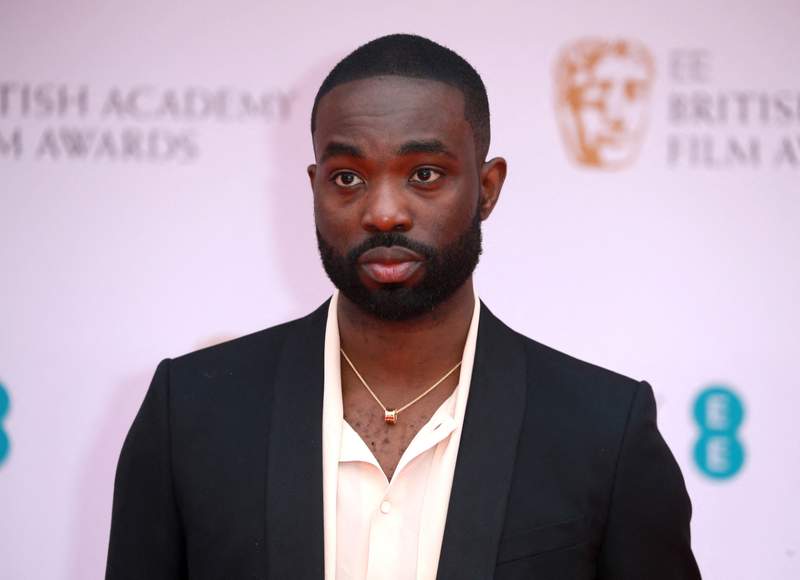
Further complicating the launch, the casting of Paapa Essiedu as Severus Snape in HBO’s ‘Harry Potter’ television series has triggered a severe backlash, including racist commentary and death threats. Essiedu, an acclaimed British actor, has publicly shared distressing experiences with hate mail and threats directly tied to his race and the character he portrays.
This intense reaction highlights a persistent industry issue: the conflict between artistic interpretation and fan expectations, often amplified online. The personal toll on Essiedu underscores broader implications for talent involved in high-profile, culturally resonant projects. The situation raises critical questions about platform and production company responsibility in safeguarding talent from online abuse and promoting inclusive casting.
The ‘Harry Potter’ franchise’s devoted fanbase presents a complex challenge for managing audience reception to diverse casting. Essiedu’s personal connection to the story’s themes of acceptance offers a contrast to the hostility he faces, exposing an undercurrent of intolerance that can impact creative endeavors. This incident has significant implications for future casting decisions in major franchises, potentially influencing studio risk assessments and actor willingness to take on such roles.
Actor’s Resilience Amidst Operational Demands and Backlash
Paapa Essiedu’s demanding schedule exemplifies the dedication required for leading roles. He is balancing the ‘Harry Potter’ series filming with a concurrent stage performance in Arthur Miller’s ‘All My Sons,’ describing the workload as pushing him to his limits.
Essiedu’s prior Olivier Award nomination for ‘All My Sons’ attests to his critical acclaim and the high expectations for his performances. The juxtaposition of his stage work with the production of a major television series illustrates the immense pressure on talent across high-stakes projects.
His candid acknowledgment of the emotional and physical toll, compounded by the casting backlash, offers insight into the realities faced by top actors. Essiedu’s commitment to the ‘Harry Potter’ narrative, despite adversity, reflects a deep engagement with the material’s themes of overcoming challenges, resonating with his personal experiences.
Strategic Implications of Streaming Consolidation
The potential WBD-Paramount merger signifies a broader consolidation trend in the global streaming market, driven by competition and the pursuit of economies of scale. Such a merger would reshape the competitive landscape, potentially creating a larger entity with increased leverage in content acquisition, production, and subscriber strategies.
For HBO Max, ongoing merger speculation creates uncertainty regarding its independent strategic path. Paramount’s stated intention to eventually merge HBO Max with Paramount+ suggests a future where distinct platform identities may be absorbed into a larger offering. This could impact content development pipelines, marketing, and HBO Max’s brand positioning, particularly in key international markets like the U.K.
The financial implications of such a merger are substantial, involving the integration of extensive content libraries, technology infrastructure, and subscriber bases. This typically leads to significant operational adjustments, including content rationalization and workforce restructuring, as the combined entity optimizes its market position. The U.K. launch is therefore a critical juncture for WBD, aiming to establish a strong market foothold while potentially navigating structural realignments that could redefine its streaming future.
Industry Response to Harassment and Diversity
The severe threats and racist commentary targeting Paapa Essiedu necessitate a wider industry discussion on online harassment and diversity in casting. Essiedu’s experience, with loved ones monitoring his well-being due to the intensity of threats, highlights the pervasive nature of online abuse and its tangible impact.
This situation pressures studios and production companies to implement more robust talent protection measures. It also questions the efficacy of social media content moderation and the societal attitudes fueling discriminatory reactions. The entertainment industry’s influence on cultural norms means its response to this incident will indicate its commitment to fostering an inclusive and safe environment.
The backlash against Essiedu’s casting, despite his credentials, indicates audience resistance to diverse representation in iconic roles. This resistance can deter future diverse casting, leading to more conservative choices prioritizing appeasing a vocal minority over broader representation. The long-term consequence could be slower progress in on-screen diversity and inclusion, impacting storytelling and audience engagement.
Capital Investment and Content Strategy in a Consolidating Market
Discussions around a WBD-Paramount merger highlight a critical point for capital allocation and content strategy in streaming. Consolidation would require recalibrating investment priorities, likely focusing on synergies and optimizing content portfolios for a combined subscriber base.
For HBO Max, the immediate challenge is demonstrating its U.K. market value and subscriber engagement amidst the prospect of platform absorption. The substantial investment in projects like the ‘Harry Potter’ series, carrying immense brand equity, must be balanced against evolving corporate structures and their potential impact on long-term content decisions.
Competitive pressures in the U.K. market intensify the need for clear strategic direction. A merged entity would possess considerable resources for aggressive content acquisition and marketing. However, integration itself can strain resources, potentially creating opportunities for competitors or leading to a more dominant market player if executed effectively.
Thematic Resonance and Actor Resilience
Paapa Essiedu’s dedication to his Severus Snape role, despite personal attacks, connects deeply with the ‘Harry Potter’ narrative’s core themes. He finds solace in the story’s emphasis on love over hate and acceptance, principles starkly contrasting with the animosity he has faced.
This personal connection to the story’s message counters negativity, suggesting a profound belief in the narrative’s transformative power. It also highlights Essiedu’s resilience, choosing to focus on his work’s integrity and universal themes over succumbing to online vitriol.
His ability to draw strength from the narrative demonstrates artistic integrity and an understanding of the ‘Harry Potter’ universe’s cultural significance. This fortitude is crucial for navigating intense scrutiny, especially when facing prejudice. His perspective underscores the broader societal dialogue provoked by such casting decisions, highlighting both challenges and potential for positive cultural impact.
Future Trajectories: Platform Evolution and Talent Protection
The dual pressures of corporate consolidation and online harassment facing HBO Max and its talent suggest a complex future for streaming. A merger with Paramount could lead to streaming service rationalization, impacting content diversity and market competition.
Concurrently, the severe threats against Paapa Essiedu underscore the urgent need for enhanced protocols to protect actors and creatives from online abuse. Industry stakeholders must collaborate to establish effective safeguards and foster a culture of respect and inclusivity.
The long-term success of streaming platforms will likely depend on their content, technological innovation, and their ability to create a safe and equitable environment for talent and audiences. The events surrounding HBO Max’s U.K. launch and the ‘Harry Potter’ casting controversy are critical indicators of the evolving challenges and responsibilities within the global entertainment ecosystem.