
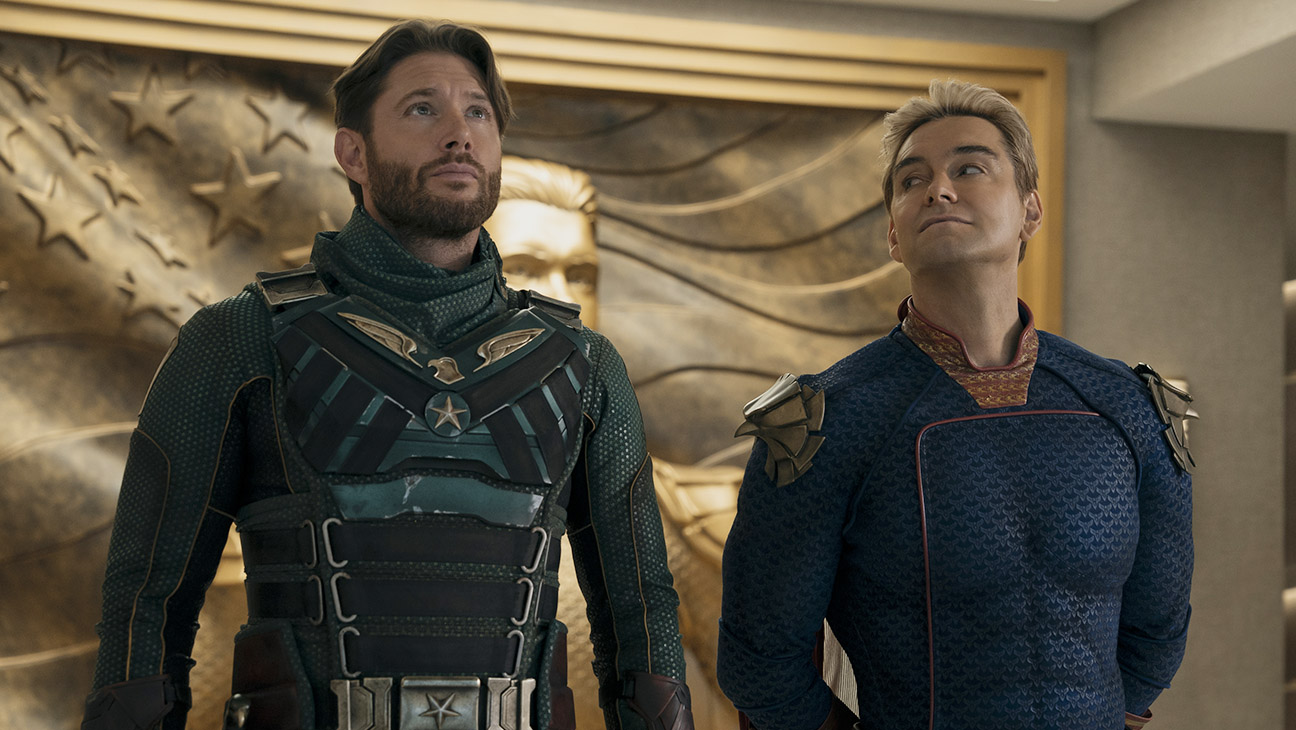
A-Train’s Death: Strategic Implications for ‘The Boys’ Final Season
The final season premiere of Prime Video’s high-profile series, “The Boys,” initiated a significant narrative shift by eliminating a core member of The Seven, A-Train (Reggie Franklin), in its opening episode. The character’s death, at the hands of Homelander, serves as a critical strategic decision. This move prioritizes narrative closure and high-impact storytelling over traditional long-term character longevity, which is common in sprawling cinematic universes. The decision to cut short A-Train’s complex arc—despite initial resistance from series creator Eric Kripke and the existence of an alternate storyline where A-Train would have aided The Boys—reflects a calculated risk to maximize audience engagement during the launch window.
Audience Leverage and Competitive Differentiation
In the highly competitive streaming landscape, high-stakes creative decisions serve as a form of performance leverage. By delivering a shocking and definitive event in the premiere, the platform aims to generate immediate buzz and drive subscription retention for the duration of the season. This strategy contrasts sharply with competitors who prioritize character preservation to maintain future franchise flexibility. The decision to kill A-Train reinforces the show’s core thematic element: a cynical perspective on corporate power and the impossibility of redemption within a corrupt system. His death, triggered by his conscience-driven choice to spare an innocent bystander, leverages his full character arc from the series premiere to maximize emotional resonance and thematic weight.
Operational Trade-offs and IP Value Management
While strategically impactful, eliminating a character with a complex redemption storyline early in the final season presents operational risks, potentially alienating a segment of the audience invested in that specific journey. However, this decision accelerates the central conflict between Homelander and The Boys, avoiding a potentially divisive redemption narrative. For IP management, this strategic focus on closure enhances the long-term value of the franchise by solidifying its reputation for high-impact storytelling and a definitive conclusion. As previously indicated by Kripke’s comments about a high death count, this approach effectively “burns down” the existing structure of the fictional universe, creating space for new narratives and spin-offs while ensuring a satisfying and memorable conclusion for the main series.
Strategic Conclusion: The Value of Narrative Finality
The strategic choice to prioritize A-Train’s death early in the final season highlights a commitment to narrative integrity over standard franchise-building practices. The decision maximizes cultural conversation and differentiates the IP in a crowded market. By delivering a definitive conclusion and escalating stakes, Prime Video leverages the final season to solidify the IP’s legacy, ensuring long-term value through re-run appeal and future spin-off potential, even as it sacrifices individual character longevity.

Photo by nahidsheikh31 on Pixabay.