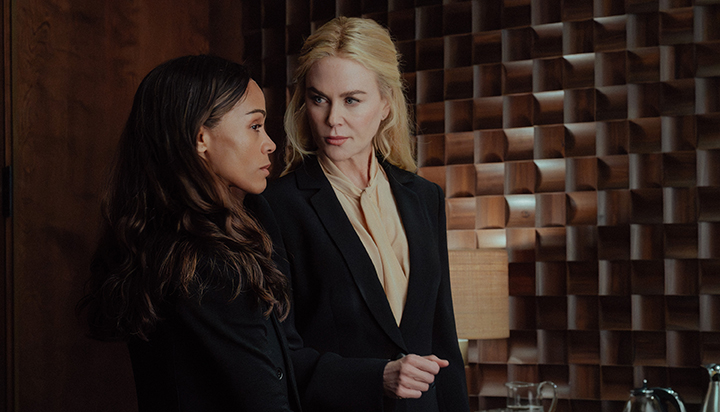
Strategic Positioning of the Lioness Franchise
The August 2, 2026, premiere date for the third season of Lioness functions as more than a scheduling update; it is a critical instrument in the Paramount+ retention strategy. Amidst a saturated streaming market, leveraging proven intellectual property is essential for stabilizing churn rates and maintaining competitive differentiation.
Taylor Sheridan’s role has transcended traditional showrunning, evolving into a systemic architect for Paramount’s content ecosystem. By anchoring the platform with high-performing, established franchises, the studio effectively de-risks its development pipeline against the volatility of new content acquisition.
Creative Continuity and Operational Value
Lioness distinguishes itself from Sheridan’s neo-Western catalog by utilizing a high-stakes, black-ops espionage framework. This tactical versatility allows the platform to capture diverse demographic segments. The ongoing involvement of executive producers Zoe Saldaña and Nicole Kidman provides the institutional continuity required to sustain brand equity in an increasingly fragmented attention economy.
Financial and Market Implications
The expansion of the Lioness universe exemplifies a broader industry shift toward franchise consolidation. By minimizing the high marketing costs associated with unproven intellectual property, studios can achieve more predictable long-term capital allocation. The continued integration of high-caliber talent, including Morgan Freeman and Michael Kelly, further reinforces the production’s status as a flagship asset capable of anchoring subscription tiers.
Narrative Escalation and Cultural Relevance
The thematic trajectory of Lioness reflects a growing appetite for stories that navigate the friction between personal morality and geopolitical security. Following the second season’s shift toward domestic-sphere conflicts, the upcoming installment is positioned to deepen the stakes of its character-driven dilemmas. This narrative evolution is a calculated effort to maintain audience investment through increased complexity.
Institutional Dynamics and Future Outlook
The performance of the Sheridan portfolio serves as a primary metric for evaluating institutional health during broader corporate structural transitions. Protecting the creative integrity of Lioness acts as a safeguard for the network’s long-term competitive viability. As the industry approaches 2026, the success of this series will likely dictate development cycles for future high-budget espionage dramas, confirming the show’s status as a central pillar of Paramount+’s long-term stability.