Strategic Pivot to Sensory-Integrated Cinema
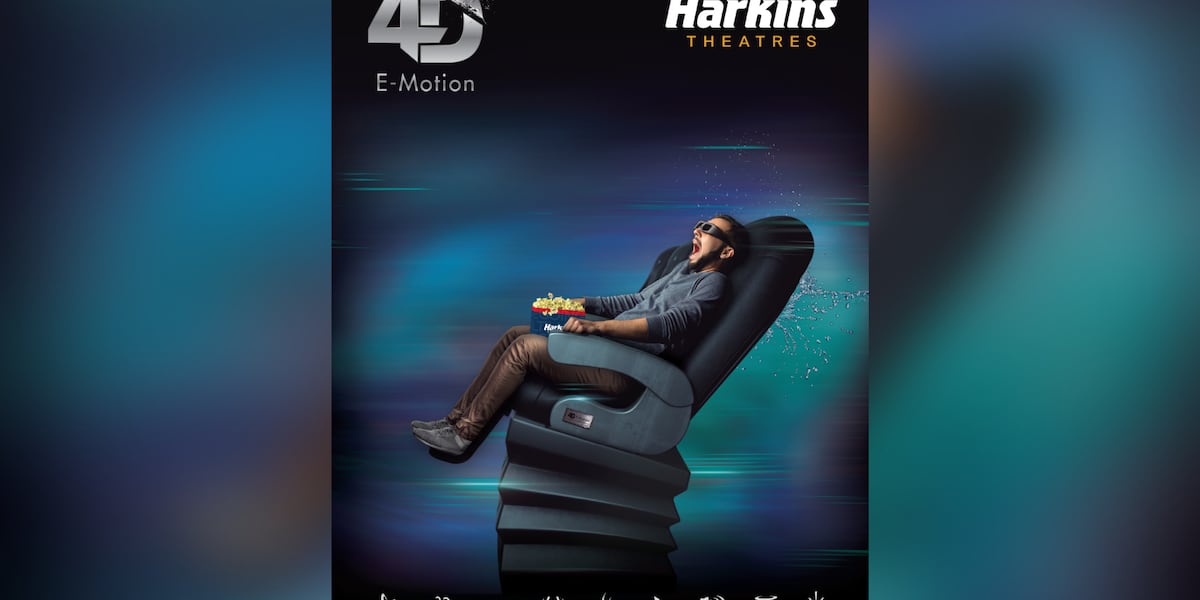
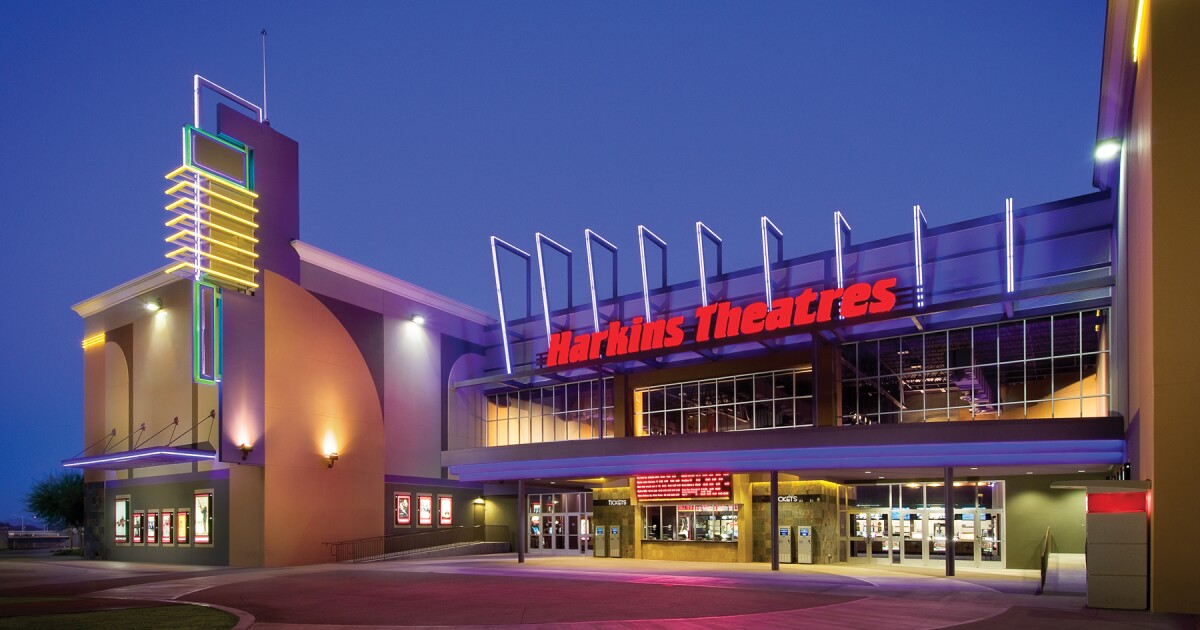
Harkins Theatres has announced the launch of 4D immersive auditoriums, beginning with a debut at the Norterra complex in north Phoenix this August. This deployment signifies a pivot in capital allocation toward high-sensory infrastructure, moving beyond traditional projection to include synchronized motion seating, atmospheric effects, and localized environmental stimuli.
The initiative is anchored by a six-location contract with Lumma 4D E-Motion. By integrating automated scent, air, and water cues, Harkins is refining its competitive positioning to offer a high-value product that justifies the friction of physical attendance over home-based streaming.
Operational Integration and Market Segmentation
The choice of the Norterra location highlights a focus on high-traffic suburban demographics, where the demand for premium large-format (PLF) experiences remains resilient. This expansion mirrors an industry-wide move toward tiered seating and technology-driven upgrades, allowing exhibitors to command higher average ticket prices for tentpole releases.
The programming of blockbuster titles, such as Avengers: Doomsday and The Hunger Games: Sunrise on the Reaping, demonstrates a specific strategy to align sensory technology with spectacle-heavy content. By pairing high-budget IP with specialized infrastructure, Harkins aims to maximize the ROI on the significant overhead and maintenance costs inherent to 4D systems.
Industry Benchmarking and Competitive Dynamics
While the 4D market in the U.S. remains a specialized niche—historically dominated by a limited number of 4DX and proprietary installations—it represents a vital defensive strategy for regional exhibitors. Partnering with a third-party vendor like Lumma 4D E-Motion allows Harkins to scale rapidly while offloading the complex technical R&D required to ensure hardware-to-film metadata synchronization.
Economic Drivers and Long-Term Viability
This transition reflects a broader structural evolution in the exhibition business: the shift from volume-driven attendance to revenue-per-seat maximization. By diversifying auditoriums into high-engagement sensory zones, operators can mitigate the impact of declining ticket sales by creating a differentiated, ‘eventized’ theatrical product.
With three of the six sites yet to be finalized, Harkins is utilizing a phased rollout to stress-test the Norterra deployment. This data-centric approach minimizes financial exposure while ensuring that future capital expenditure is informed by actual consumer demand for 4D-ready programming and willingness to pay premium admission fees.