Repetition of Elite Performance in Olympic Snowboard Cross
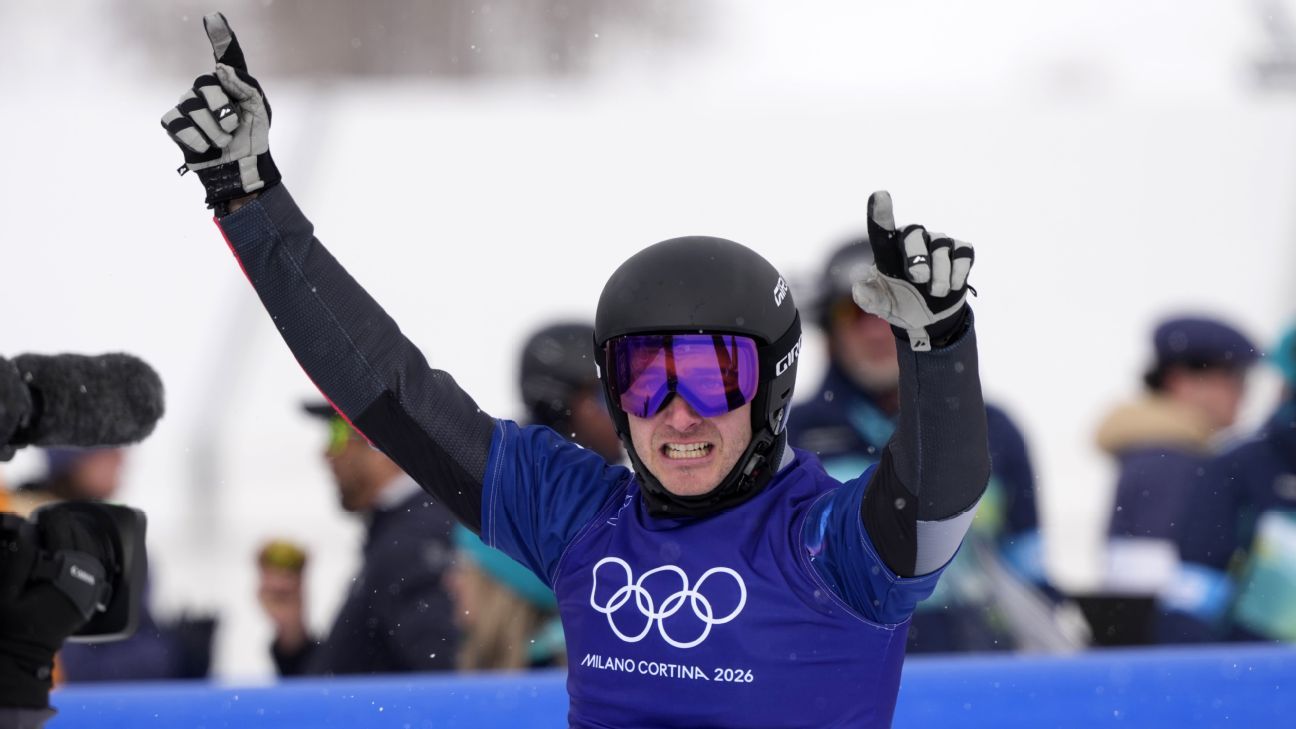
In a rare display of competitive consistency within a discipline defined by inherent volatility, Alessandro Haemmerle of Austria and Eliot Grondin of Canada have secured the gold and silver medals respectively at the Milano Cortina 2026 Winter Olympics. The event, held in Livigno, Italy, mirrored the podium results of the 2022 Beijing Games, marking a significant moment in the administrative and competitive history of the sport.
The conclusion of the men’s snowboard cross final on Thursday confirmed a top-tier hierarchy that has persisted across a full four-year Olympic cycle. This result underscores the high-performance frameworks established by the Austrian and Canadian national programs, which have successfully navigated the logistical and physical challenges of the quadrennial transition.
Institutional Significance of Competitive Continuity
The retention of gold and silver positions by the same two athletes suggests a mastery of the technical variables mandated by the International Ski and Snowboard Federation (FIS). While snowboard cross is characterized by institutional observers as a high-chaos environment, these results indicate that individual strategic execution can override environmental unpredictability.
From a structural perspective, the repeat victory for Austria and the secondary placement for Canada provide critical data for national sporting bodies regarding the efficacy of their long-term athlete development models. Success at this level often correlates with institutional stability, including consistent access to specialized training facilities and refined technical coaching staff.
The Structural Nature of Snowboard Cross Competition
The discipline of snowboard cross requires a sophisticated understanding of physical dynamics, drafting, and tactical positioning within a four-person racing heat. The narrow margin of victory observed in Livigno reflects the precise regulatory standards applied to course construction and timing systems utilized at the Olympic level.
These standards are designed to ensure that while the sport retains its unpredictable elements, the outcome remains a direct reflection of athletic capability and strategic decision-making. The technical infrastructure at Milano Cortina 2026 provided the necessary platform for these high-performance athletes to replicate their previous international successes.
Economic and Media Impact of Recurring Excellence
The ability of athletes like Haemmerle and Grondin to maintain their standing at the top of the podium has significant implications for the commercial valuation of winter sports. Repeat champions offer a narrative of reliability that is highly valued by broadcasters and global sponsors seeking to associate their brands with sustained excellence.
This continuity assists the International Olympic Committee and various stakeholders in marketing the sport to a global audience, as it establishes recognizable figures within the winter sports ecosystem. The presence of established champions helps to stabilize the media market for niche disciplines that often face fluctuating viewership between Olympic cycles.
Regulatory Frameworks and Safety Protocols
The administration of Olympic snowboard cross involves a complex set of safety and competition protocols intended to mitigate the risks associated with high-speed group racing. These regulations, overseen by the FIS and the local organizing committee, involve rigorous course inspections and adherence to specific gate-passing and contact rules.
The fact that the podium remained consistent despite these rigorous and often shifting environmental conditions speaks to the adaptability of the athletes within the current regulatory framework. These institutional safeguards are essential for maintaining the integrity of the competition while protecting the physical well-being of the participants in a high-risk environment.
Strategic Performance and High-Performance Funding
For the Austrian and Canadian olympic committees, these results validate the allocation of resources toward elite snowboard programs. High-performance funding is often contingent upon the ability of an organization to produce repeatable results on the international stage, particularly at the Olympic Games.
The silver medal for Eliot Grondin and the gold for Alessandro Haemmerle represent successful returns on investment for their respective national sports ministries. These outcomes often lead to the extension of administrative support and the continued development of domestic talent pipelines in their home nations.
Analytical Conclusion on the Livigno Final
The men’s snowboard cross final in Livigno serves as a case study in the intersection of athlete resilience and institutional support. By achieving a result nearly identical to that of 2022, the athletes and their support teams have demonstrated an exceptional command of the technical and psychological requirements of the sport.
While the internal dynamics of a snowboard cross race are subject to immediate and often unpredictable changes, the overarching structural stability of the top competitors remains evident. This stability is a testament to the maturation of the sport as a disciplined Olympic event where strategic consistency can prevail over systemic chaos.