Government Shutdown Exposes Systemic Risk to TSA Operations: Workforce Attrition and Critical Delays
A partial government shutdown, extending over 31 days, has precipitated a significant operational crisis in national security infrastructure. The funding impasse has forced approximately 50,000 Transportation Security Administration (TSA) officers to work without pay for over a month, leading to a sharp increase in absenteeism and critical bottlenecks at major travel hubs.
The Operational Crisis: Surge in Absenteeism and Service Disruption
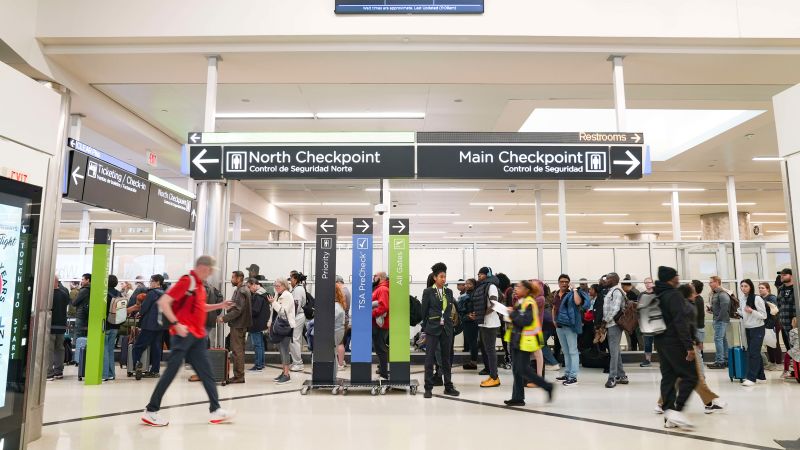
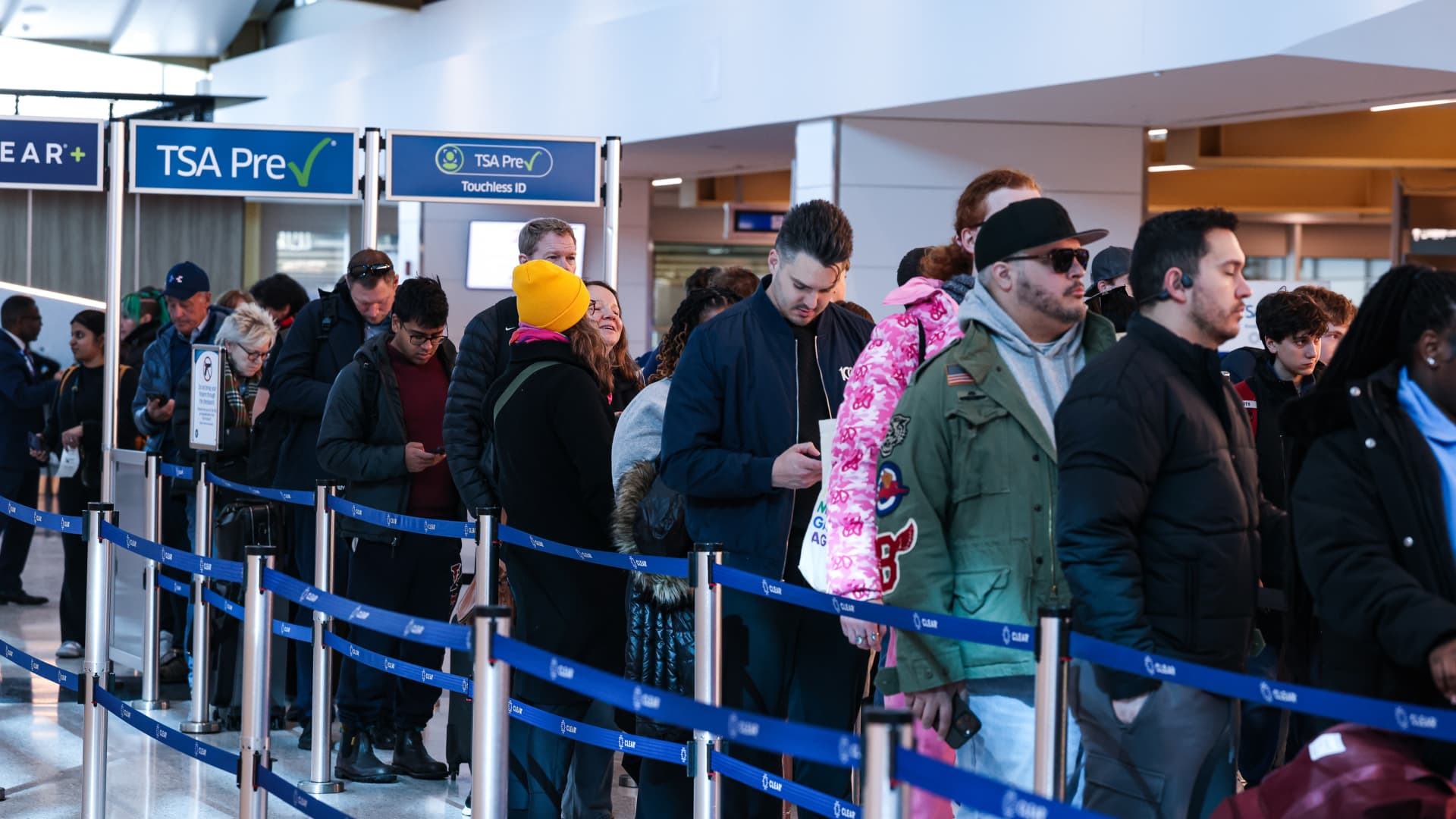
The operational strain is evident in soaring callout rates among TSA personnel. While typical absenteeism for the Department of Homeland Security (DHS) averages below 2%, major airports experienced significantly higher rates during the shutdown. At Hartsfield-Jackson Atlanta International Airport (ATL), more than a third of security screeners failed to report for duty on a recent Tuesday, resulting in passenger wait times of up to two hours. Houston’s William P. Hobby International Airport reported more than half of its TSA employees called out on a recent Friday.
This widespread disruption in staffing exposes critical vulnerabilities in the national transportation infrastructure. Acting Deputy TSA Administrator Adam Stahl warned that if callout rates continue to climb, the agency may be forced to shut down smaller airports. This warning highlights a tiered risk model where less-resourced facilities face immediate operational failure, while larger hubs struggle with severe delays that compromise efficiency and passenger experience.
The Economic Fallout: Financial Incentives and Workforce Attrition
The core issue driving the operational decline is the removal of financial incentives for essential personnel. The source indicates that TSA officers face severe financial hardship, including eviction notices, vehicle repossessions, empty refrigerators, and overdrawn bank accounts. This economic pressure directly correlates with increased callout rates, as employees prioritize personal financial stability over reporting to work without compensation.
The long-term consequences extend beyond immediate absenteeism. The source notes that at least 366 transportation security officers have quit since the start of the shutdown. This attrition represents a significant loss of trained human capital, creating a lasting challenge for the agency to maintain staffing levels and institutional knowledge. Rebuilding the workforce post-shutdown will require substantial investment in recruitment and training, increasing operational costs and potentially impacting long-term security standards.
Strategic Implications for Stakeholders and Public Perception
The operational disruptions have immediate and significant implications for the airline industry. Airline CEOs have called for a quick resolution to the standoff, particularly as the disruptions coincide with the busy spring break travel season. This period represents peak revenue generation for airlines, making delays and operational bottlenecks particularly costly. Long security lines create cascading effects throughout the travel ecosystem, leading to missed connections, flight delays, and increased operational costs for airlines.
For airports, the situation creates a significant operational and reputational risk. House Speaker Mike Johnson’s warning that airports are reaching a “breaking point” underscores the systemic nature of the crisis. Airports rely on efficient passenger flow to maximize revenue from concessions and other services; prolonged delays directly impact this revenue stream.
A notable aspect of the crisis is the disconnect between the political reality and public awareness. The local American Federation of Government Employees union president for Atlanta, Aaron Barker, stated that many travelers were unaware of the shutdown, despite experiencing significant delays. This disconnect highlights how the costs of political stalemate are externalized onto essential workers and the traveling public, potentially minimizing political fallout by obscuring the direct link between policy decisions and operational outcomes.
Systemic Vulnerability and Future Consequences
The crisis reveals a systemic vulnerability in the national security infrastructure. By making compensation for security personnel contingent on political negotiations, the system creates a direct link between political gridlock and operational failure. The potential shutdown of smaller airports, as warned by Acting Deputy TSA Administrator Stahl, illustrates a cascading failure model. These closures would disrupt regional commerce and supply chains, extending the crisis far beyond the immediate travel inconvenience.
The documented facts demonstrate that the partial government shutdown has moved beyond a political dispute and into an operational crisis for critical infrastructure. The high callout rates, financial hardship of officers, and warnings of airport closures illustrate a direct link between political decisions and systemic risk. The consequences extend to the financial stability of essential workers, the operational efficiency of the travel industry, and the long-term resilience of national security functions.